India has launched a tariff investigation into LG Electronics and Samsung over imports of display components used in OLED televisions, according to reports from Reuters. The probe centres on OLED "open cells" - components used in OLED panels - which offer superior picture quality and are made by both South Korean giants in India. The market for pricey OLEDs remains niche globally, with just 6.5 million units sold last year, according to research firm Omdia. Counterpoint Research data shows India's TV market was worth $4.7 billion last year, with OLEDs having a near 4% share of sales. Government data has also revealed that imports of displays and TV parts rose 15% year-on-year to $5.6 billion by March 2026, highlighting India's growing reliance on overseas display supplies.
LG Electronics India Ltd has received a show cause notice from Customs authorities for the recovery of ₹153.58 crore as customs duty for allegedly not including royalty payments in the assessable value of certain imported goods, as per the company's stock exchange filing. The notice, dated September 22, was issued by the Office of the Commissioner of Customs, Nhava Sheva Port in Navi Mumbai and received by the company on September 24. This latest development adds to the ongoing investigation where Indian customs authorities are investigating both companies on suspicion of underreporting duties on display components used in premium televisions, with penalties potentially reaching 100% of the unpaid duties. The authorities take the position that the OLED components the two companies imported do not qualify for the preferential 5% duty and should instead be taxed at 15%.
Samsung said in a statement to Reuters that it is "reviewing the matter and cooperating fully with the relevant authorities, adding it is firmly committed to complying with all laws." The investigation has involved scrutiny of the companies, with DRI investigators visiting Samsung Electronics' Indian headquarters in Gurugram near New Delhi to question officials in recent weeks, while LG was examined through written questionnaire. One source said LG Electronics voluntarily posted a deposit to cover the duties sought by the authorities and has sent responses to written questions by the authorities on its OLED imports. The companies are reportedly arguing that OLED is an advanced form of LED technology and should receive the same tariff treatment as other display components eligible for the lower rate. The sources added that the companies are privately opposing the position of Indian authorities as they believe OLED is nothing but an advanced form of LED technology and the same Indian tariffs should apply.
LG last year listed its India unit on Mumbai stock exchanges where it currently has a market capitalisation of nearly $12 billion. The company reported a 27.2% year-on-year surge in net profit to ₹653 crore for the first quarter of FY27, compared with ₹513 crore in the corresponding quarter of 2025-26, driven by strong summer demand and premium product sales. LG Electronics India recently reported ₹7,233 crore in revenue in Q1 FY27, representing a 15.5% increase from ₹6,262 crore in the same quarter of the previous financial year. The company said in August its TV segment was witnessing "very high-quality growth," with its India TV market share around 26% and OLED share almost 59% in value terms. Samsung also sells many OLEDs in India, with one Made in India 65-inch TV priced at $2,415.
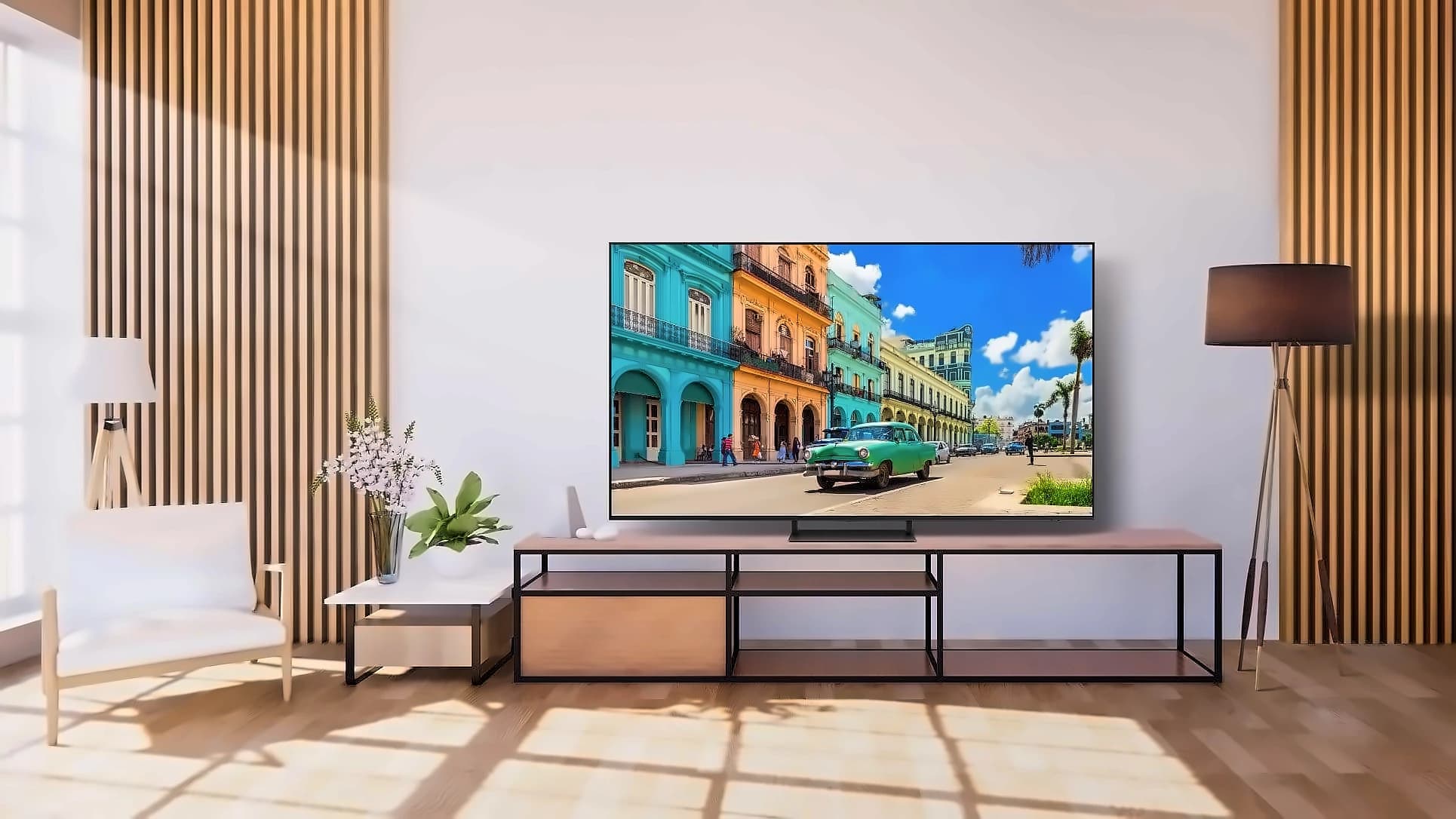
While Indian authorities investigate LG and Samsung, their industry groups launched a campaign in August to push India's IT ministry to recommend OLED display parts should be covered under the low, concessional duty regime of 5%. In nearly identical confidential letters, the Consumer Electronics and Appliances Manufacturers Association and industry body MAIT said the tariff law "restricts the benefit" only to LCD and LED display parts, creating an "anomalous situation." The letters stated that "manufacturers of more advanced OLED TVs are denied the same benefit, resulting in higher input costs and reduced competitiveness." Industry groups are also seeking duty exemptions for machinery used in OLED manufacturing, saying the existing benefits for older LCD technology could increase investment costs and hinder advanced display manufacturing in India. The industry groups and India's IT ministry did not respond to Reuters queries. The dispute highlights the broader challenge of balancing tariff policy with technological advancement in India's growing television market.