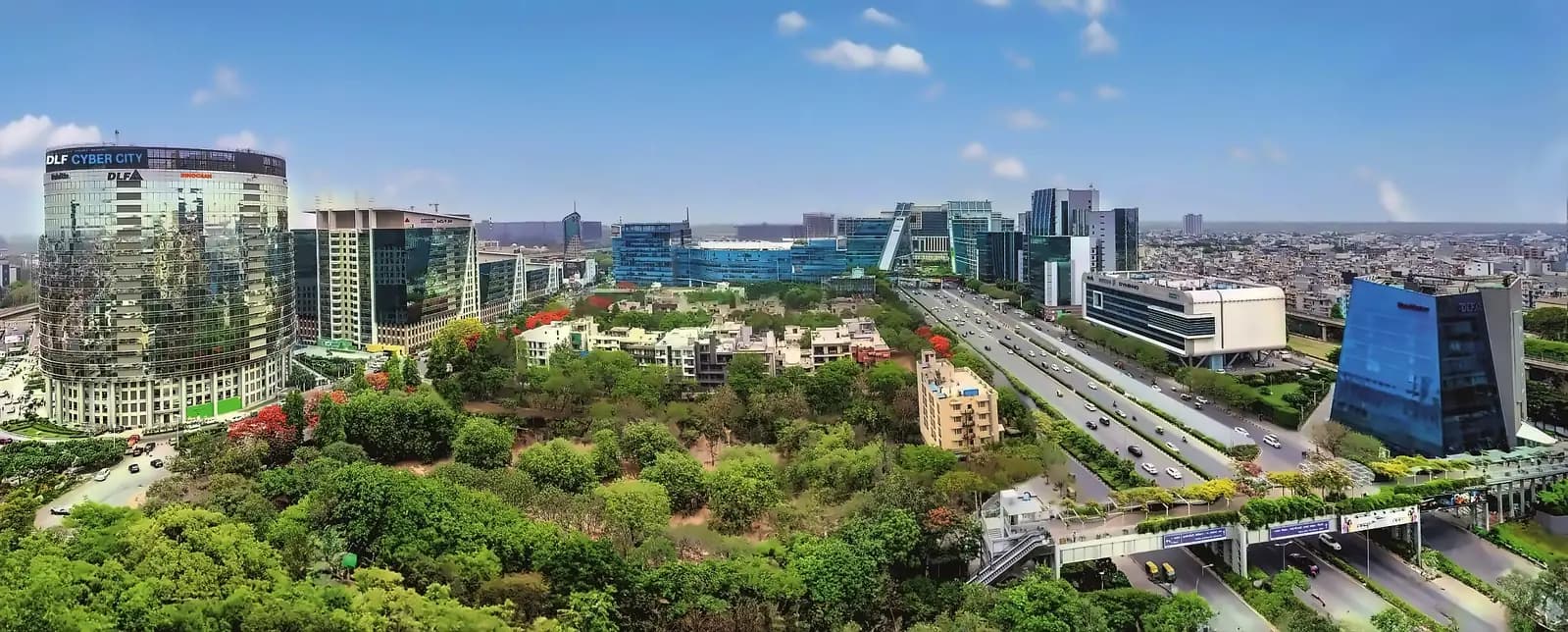
Five months after Manmohan Singh's Budget speech announcing liberalisation reforms in July 1991, Delhi's Constitution (Sixty-Ninth Amendment) Act, 1991 granted the national capital more autonomy through a legislative assembly. According to reports from Business Standard, the city saw significant private infrastructure projects emerge, including the Delhi Metro in 2002, which experts call the project that fundamentally changed Delhi's development trajectory. The Savills Growth Hubs Index now ranks Delhi as the world's third-fastest-developing major city through 2033, behind Bengaluru and Ho Chi Minh City.
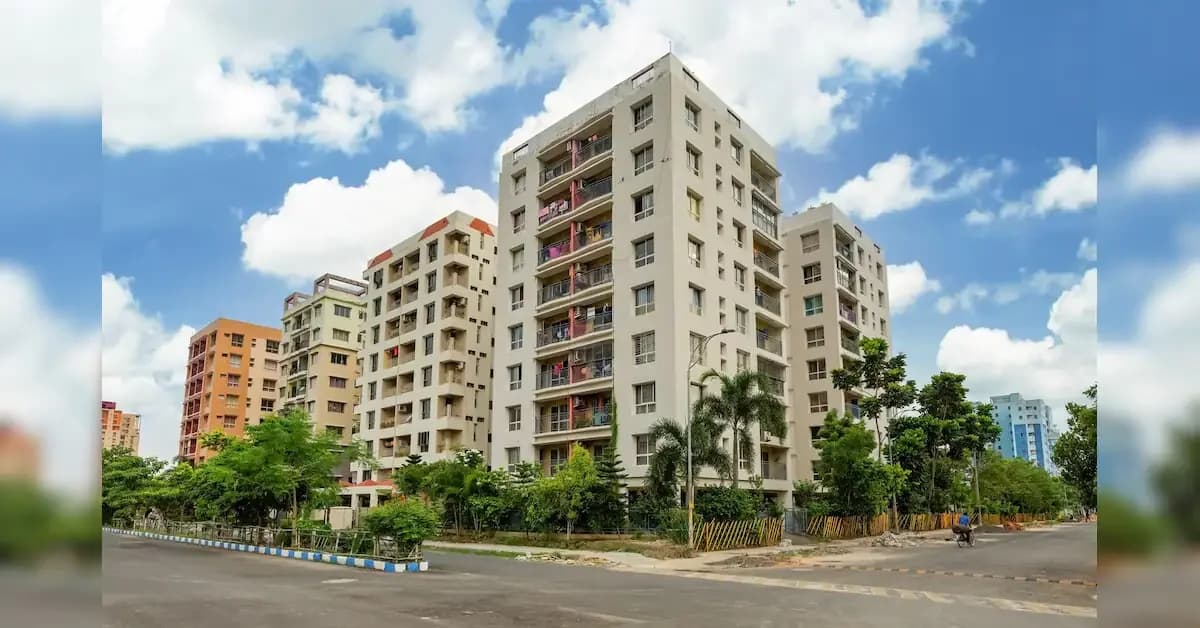
Delhi's economy has grown dramatically from ₹17,004 crore in 1991-92 to approximately ₹13.3 trillion in 2025-26 in nominal terms, as reported by Business Standard. Per capita income remains at about ₹5.3 lakh per person in 2025-26, projected to be among the highest in the country. However, housing shortages persist as inventory failed to match demand, creating what experts describe as two cities - one planned and the other unauthorised. The city is estimated to have 1,731 unauthorised colonies housing nearly 4.5 million people, with around 1,511 unauthorised colonies set to be regularised under the newly notified Master Plan for Delhi (MPD) 2047.
Following the MC Mehta judgment of 1996 that removed 1,300 polluting industrial units from the capital, Delhi transitioned into a services hub with a major boom in the knowledge economy. According to Business Standard, the manufacturing sector, which was small to begin with, declined further after reforms, with the tertiary sector now accounting for nearly 90% of value added. The manufacturing decline was attributed to environmental regulation, Supreme Court directions, land-use policy, and changing character of the densely populated national capital, as noted by former chief secretary Shailaja Chandra.
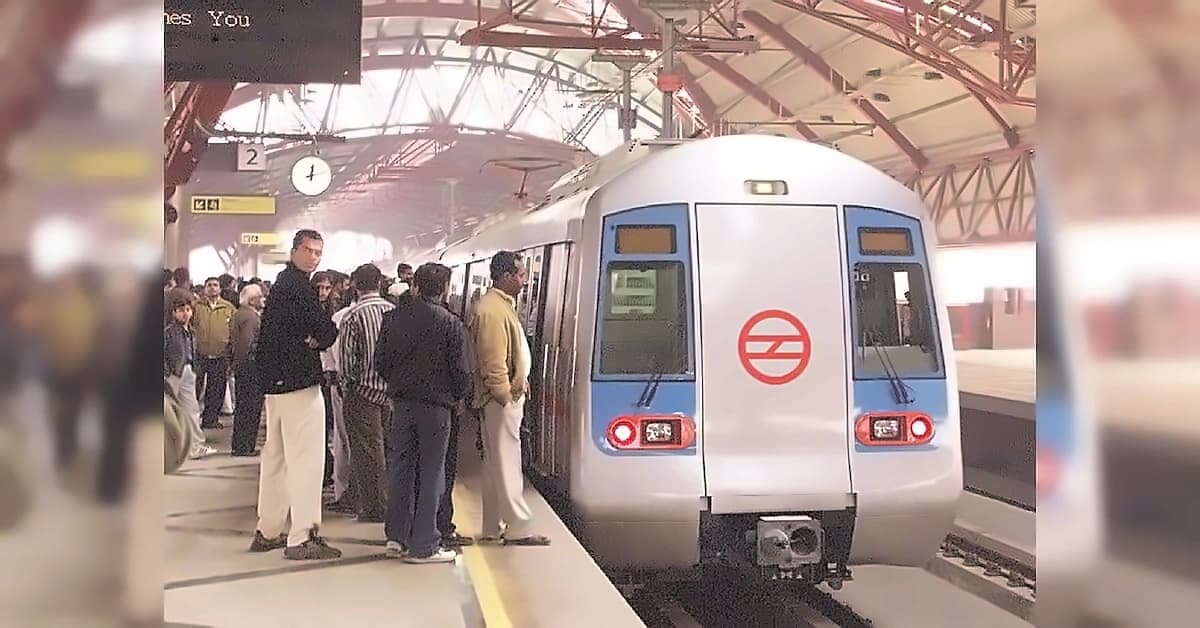
Delhi has been the world's most polluted capital city for eight consecutive years, with studies estimating that poor air quality cuts life expectancy by 8.2 years. As reported by Business Standard, the city's environmental crisis is exacerbated by unchecked private vehicle growth, with unchecked private vehicle growth choking the city's arteries. While the metro has been operationally successful, it remains economically and logistically inaccessible for a large part of the population, contrasting with Beijing's fleet of over 27,000 buses despite having a smaller population than Delhi.
The latest Master Plan for Delhi (MPD) 2047 emphasizes redevelopment, regeneration, transit-oriented development (TOD), and land pooling to create greater room for private participation in the capital's housing market. According to Business Standard, the plan provides for regularisation of residential buildings in 1,511 unauthorised colonies on an 'as is where is' basis, potentially simplifying the regularisation process. However, experts remain wary of implementation timelines, with the success of future reforms depending on whether Delhi can provide fair opportunities for talent and hardworking individuals to succeed.