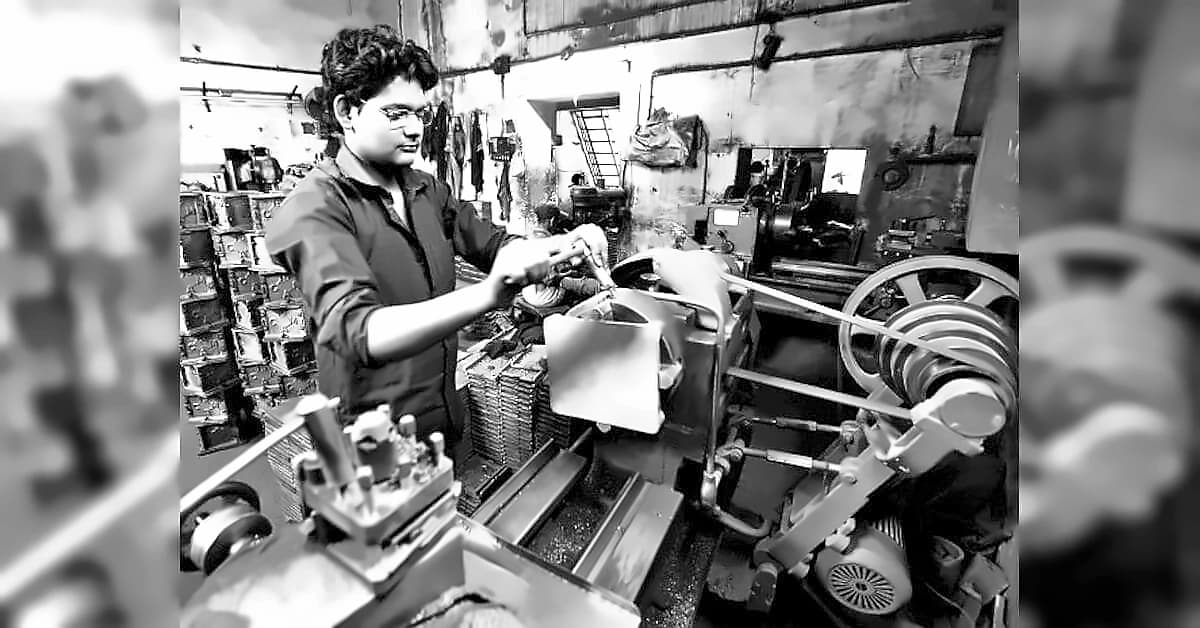
Gurugram has undergone a dramatic transformation from a sparsely populated area with dirt roads and mustard fields in the 1990s to India's premier business destination. According to reports from Business Standard, Saurabh Srivastava, co-founder of Indian Angel Network, recalls the area's humble beginnings when he considered buying farmland there. Aakash Ohri, chief business officer at DLF Ltd, remembers visiting the area in 1992 when dinner outings were advised to finish by 9 pm and leave the area. The city's transformation began with the old Maruti Udyog plant starting in 1981, which became the flagbearer of Gurugram's industry, and General Electric's first captive back-office in 1997, which triggered India's business process outsourcing revolution.
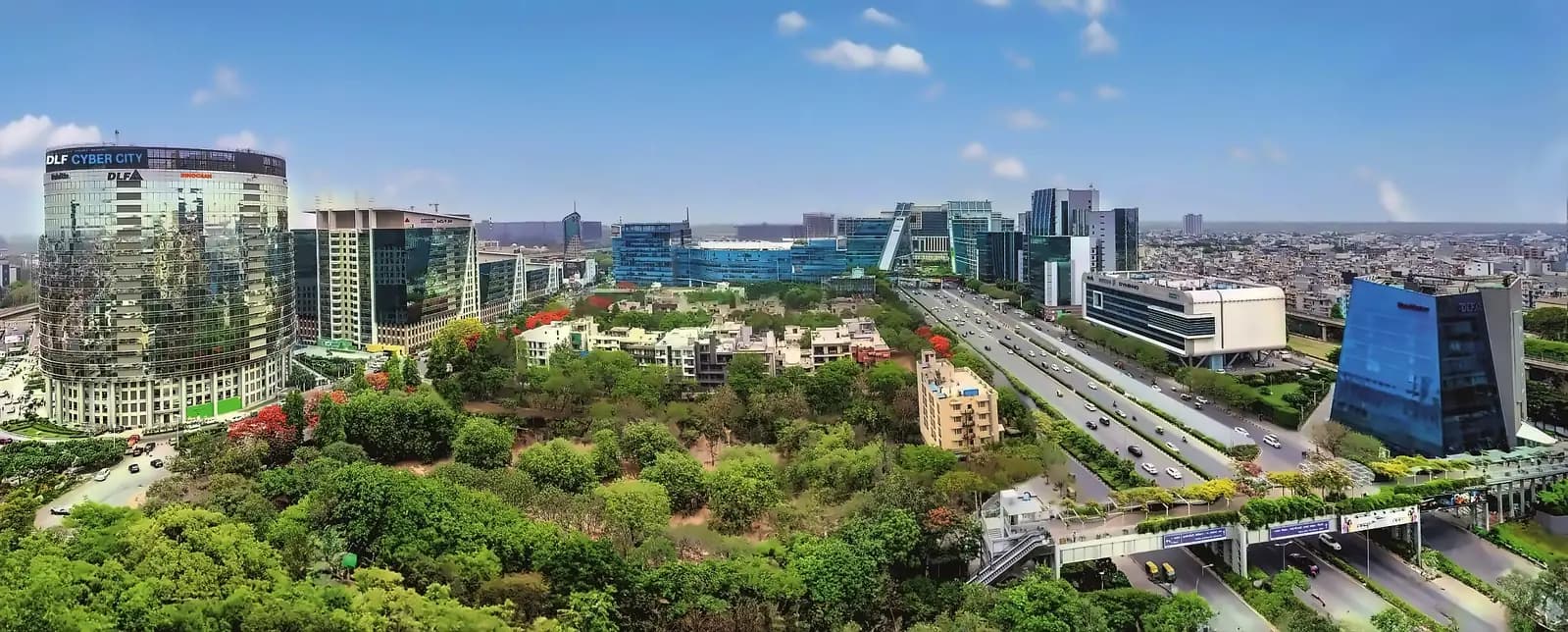
As of June 2026, Gurugram houses North India's largest office space with 100 million square feet built and counting. According to reports from Business Standard, the city now serves as the hub for global MNCs including Apple, Google, Microsoft, and Amazon, with many having their India headquarters here. DLF's Chairman Emeritus K P Singh envisioned the growth possibilities, while Chairman Rajiv Singh led the design and execution of Cyber City, the Manhattan-like walk-to-work corporate district designed by renowned architect Hafeez Contractor. The city's residential development has been equally impressive, with private developers investing in building roads and the Rapid Metro within the city.
The transformation has had significant economic implications for Haryana state. As reported by Business Standard, Haryana's per capita income rose to ₹3.9 lakh in FY26 from ₹8,775 in FY92, while the state's gross state domestic product increased from ₹16,339 crore in FY92 to ₹1.36 trillion in FY26. Gurugram's share in Haryana's employment in the organised sector has grown from 17.35% in FY06 to 67.62% in FY24, meaning roughly two in every three organised-sector jobs in Haryana are located in this single district. The city's contribution to India's GDP has also increased to 3.83% in FY26 from 2.47% in FY96.
Despite the economic success, Gurugram faces significant urban planning challenges. According to reports from Business Standard, the city has developed in two distinct halves - New Gurugram west of NH-8 built by private developers with skyscrapers and wide roads, and Old Gurugram east of the highway developed by government with crowded and underserved areas. Urban villages such as Dundahera and Sushant Lok now hold five to six times the population they were originally built for, with a third of residents still lacking adequate sewage facilities. The city lacked an interstate or state-level urban body to administer its growth until it got its first municipal corporation in 2008.
Looking ahead, experts suggest lessons for future urban development. As reported by Business Standard, Vimal Nadar from Colliers India attributes Gurugram's success to demand-driven growth but warns against unplanned development. Santhosh Kumar from Anarock emphasizes the need for statutory development authorities and integrated transport systems like RRTS routes. Srivastava suggests a dedicated special purpose vehicle focused solely on urban infrastructure, noting that while Gurugram initially supported Delhi, today Delhi also needs to support these cities. The broader vision should focus on combining economic vitality, quality of life, and future-focused development while avoiding the fragmented growth that characterized Gurugram's early development.