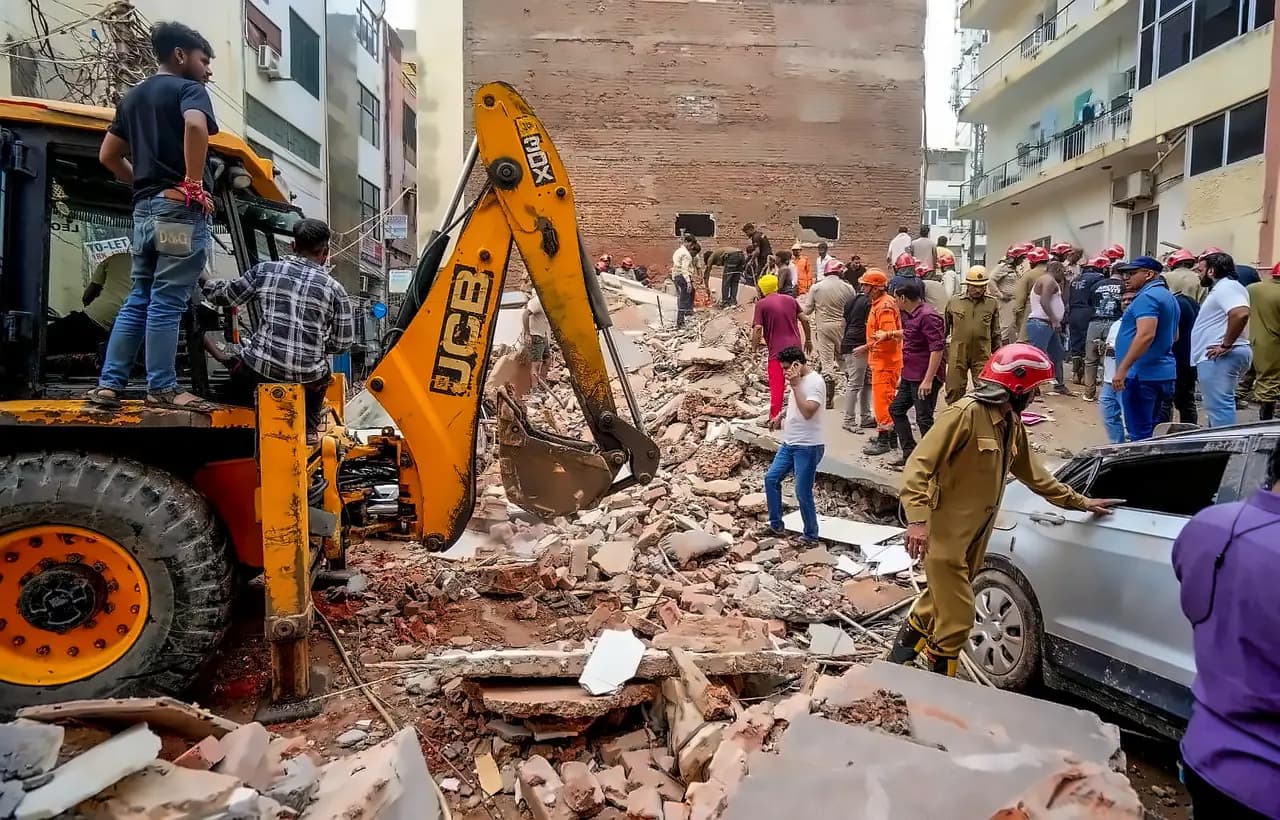
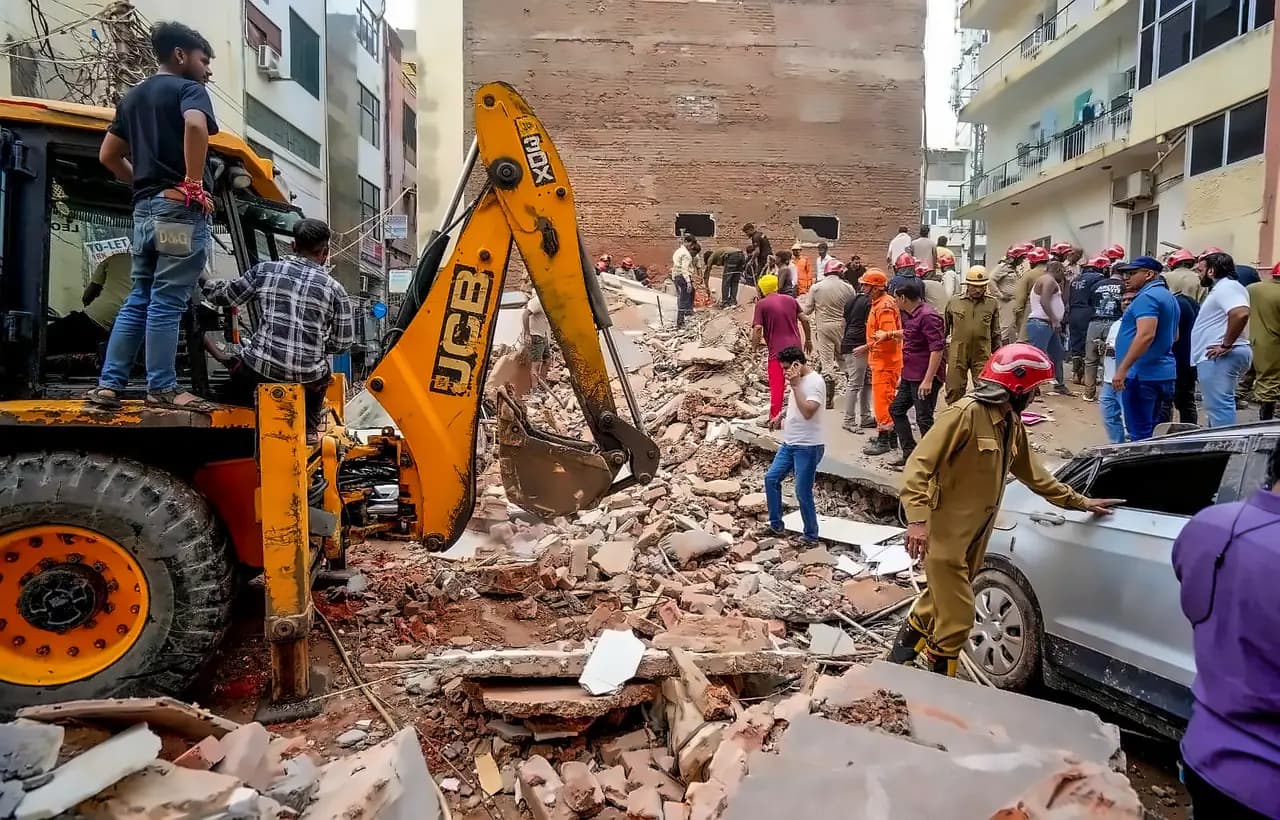
Delhi's housing market has become a critical challenge for students and young professionals, with paying-guest accommodation costs reaching ₹16,000 monthly in South Campus areas and room rents doubling from ₹12,000 to ₹18,000 within two years in Kamla Nagar. According to reports from Business Standard, these expenses are comparable to education fees and represent a significant portion of family budgets. The lack of regulatory oversight is evident in the five-storey paying-guest facility collapse in Satya Niketan on September 6, which killed seven people despite having no sanctioned building plan, unauthorized basement, and no fire clearance. Municipal records showed no inspection, no complaints, and no enforcement action taken on the property.
Delhi University's enrollment of more than 114,000 undergraduates across 91 colleges receives only 4,577 hostel beds, with 3,145 beds for women and 1,432 for men. As reported by Business Standard, Sri Venkateswara College, located in the affected area, has 4,500 students but only 150 hostel seats. Between 2019-20 and 2023-24, student enrollment grew at 2.75% annually while hostel intake capacity increased by only 1.06%, with hostel numbers growing by just 0.37%. The national housing deficit stands at 50-70 million units, affecting essential workers including nurses, delivery riders, and security staff.
Delhi's building norms, designed for horse-drawn carriage era, limit floor area ratio to about 1.5 in older colonies, significantly below comparable Asian business districts. According to Business Standard, the regeneration provisions and additional FAR proposed in the new Master Plan address this constraint, with the sooner the framework is settled, the sooner rebuilding becomes financially viable. The International Labour Organization study covering 45 countries found construction output multipliers consistently above economy-wide average, with every million dollars invested generating roughly 3.6 times that amount in wider output in middle-income economies.
Construction posted the highest real gross value added growth of any major Indian sector in 2024-25 at 8.6%. As reported by Business Standard, Vienna has maintained cost-rental housing since the 1920s, now housing over 40% of its households, while Germany's Studentenwerke system, founded in 1921, operates more than 1,700 halls with 196,000 places on a mix of fees, rents, and subsidy. India is discussing a financing structure involving public land leased on long tenure with regulated rents and long-tenor debt serviced from rental income.
The Lieutenant Governor, reviewing the recent collapse, cautioned that indiscriminate sealing would only leave students homeless and recommended examining student accommodation through universities, Municipal Corporation of Delhi, and Delhi Development Authority. According to Business Standard, this represents a welcome shift toward balancing regulation with public provision, as Delhi has relied heavily on regulation while leaving public provision largely to the market. The analysis suggests that regulation is one instrument for meeting housing demand while public provision is another, with time remaining to strike a more balanced approach between the two approaches.