The Centre is actively working to digitise and consolidate Delhi's land records as a major development issue for the capital, according to Union Capital Development Secretary D Thara. Speaking at an Associated Chambers of Commerce and Industry of India (Assocham) event on Tuesday, Thara emphasised that Delhi needs to invest in a virtual database to consolidate all land records. As reported by Business Standard, she stated that 'The most important thing is land records digitisation and having collated records at one place. Delhi has a major issue in this space. This is being worked on and addressed'. This initiative aligns with the Government of Delhi's proposed Delhi Land Records Bill 2026, which will conduct a survey of all residential and commercial properties in both rural and urban areas and digitise the records. According to the Economic Survey 2023-24, digitisation of land records is expected to improve transparency in land transactions, enhance the efficiency of land management and diminish property ownership conflicts.
The new Bill is designed to create a unified database where records will be linked to the state government's Family Card initiative. According to Business Standard, this initiative aims to create a household bank, streamline the distribution of welfare schemes, healthcare benefits and other government services. A land digitisation programme for urban areas was first proposed in the July 2024 Union Budget by Finance Minister Nirmala Sitharaman. As reported in the Economic Survey 2023-24, digitisation of land records is expected to improve transparency in land transactions, enhance the efficiency of land management and diminish property ownership conflicts. According to the latest reports, an IT-based system of property records and tax administration system will improve the financial position of urban local bodies.
The MPD 2047 permits a floor area ratio (FAR) of 500 for TOD projects within 500 metres of metro corridors, railway stations and Regional Rapid Transit System (RRTS) nodes. According to Business Standard, the new norms will be applicable to plots with a minimum area of 2,000 square feet alongside an 18-metre road, with 65 per cent of the permissible FAR earmarked for residential use. Thara noted that potential demand for smaller residential units near metro stations should make such developments more viable. Speaking on the implementation challenges, she questioned why relaxed transit-oriented development rules have not translated into more housing supply near metro stations. 'Partly the regulations were too tight. Okay, we have relaxed the regulations. How is the market responding to it? We can't keep on harping that it won't happen, that won't happen. We have to take that initiative. We are ready to have conversations,' she said. The MPD's focus on transit-oriented development aims to simplify the process, which has remained largely unimplemented till now.
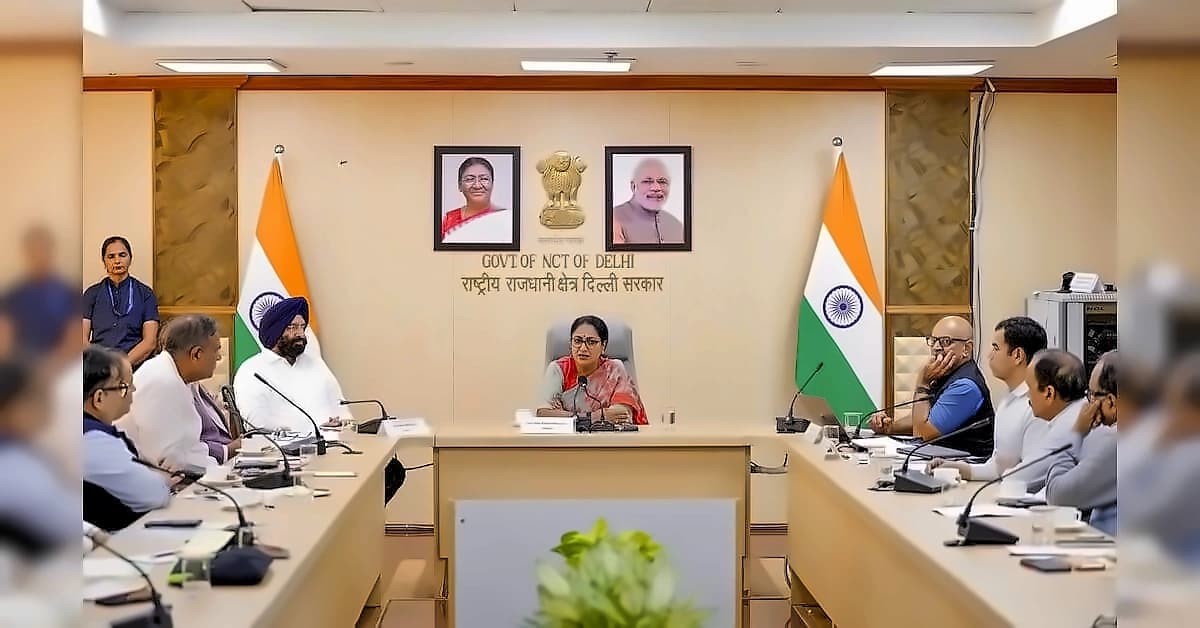
Thara highlighted government efforts to address administrative challenges in Delhi and urged real estate bodies to take concrete action. Speaking to reporters on the sidelines of an Assocham event, Thara added that the government has faced significant inconvenience due to a lack of unified organisations in Delhi. She noted that 'We have created a single-window mechanism, reducing the need for developers to approach multiple agencies'. According to the latest reports, Thara urged real estate bodies to create an umbrella organisation and bring specific cases of delays to the government instead of making general complaints. She emphasised that 'Today if you sell a house in Delhi at ₹30 lakh and if it was on a metro. You don't need to sell 500 square feet. You can sell in 30 square meters (323 sq ft) or slightly more. And people are willing to do it. Huge number of people. Where is the supply? Why isn't the supply there?'