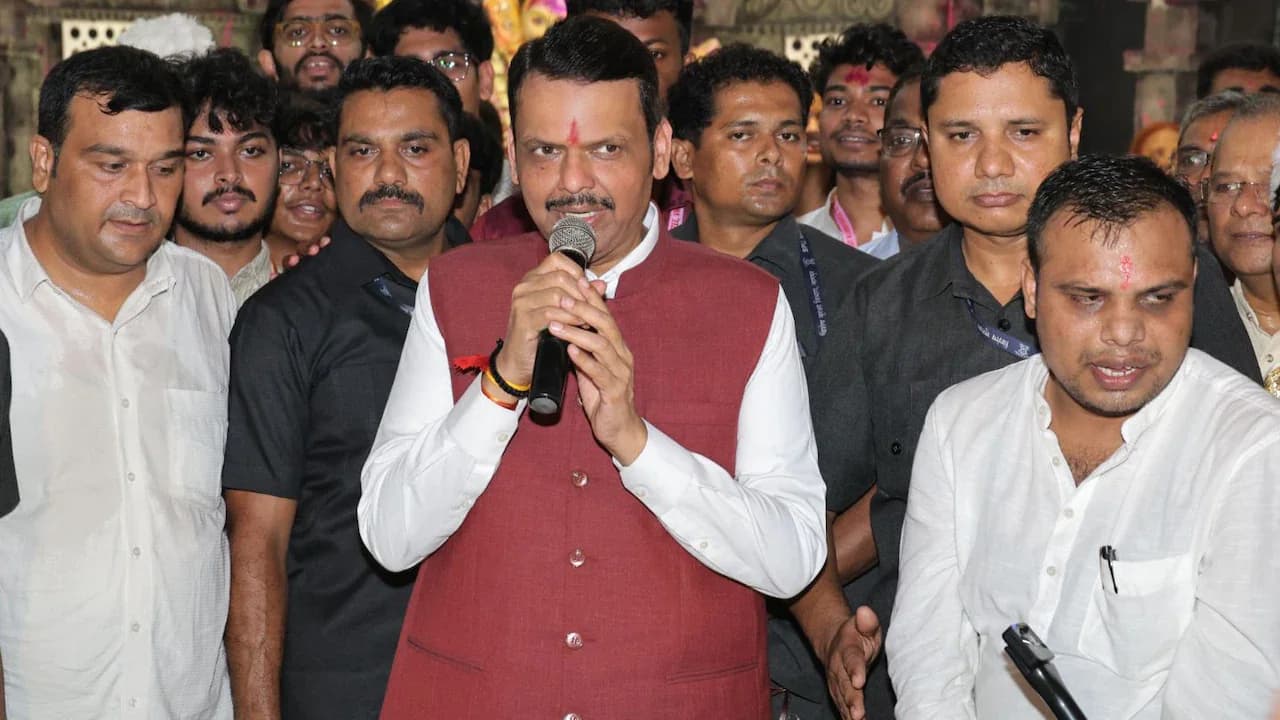
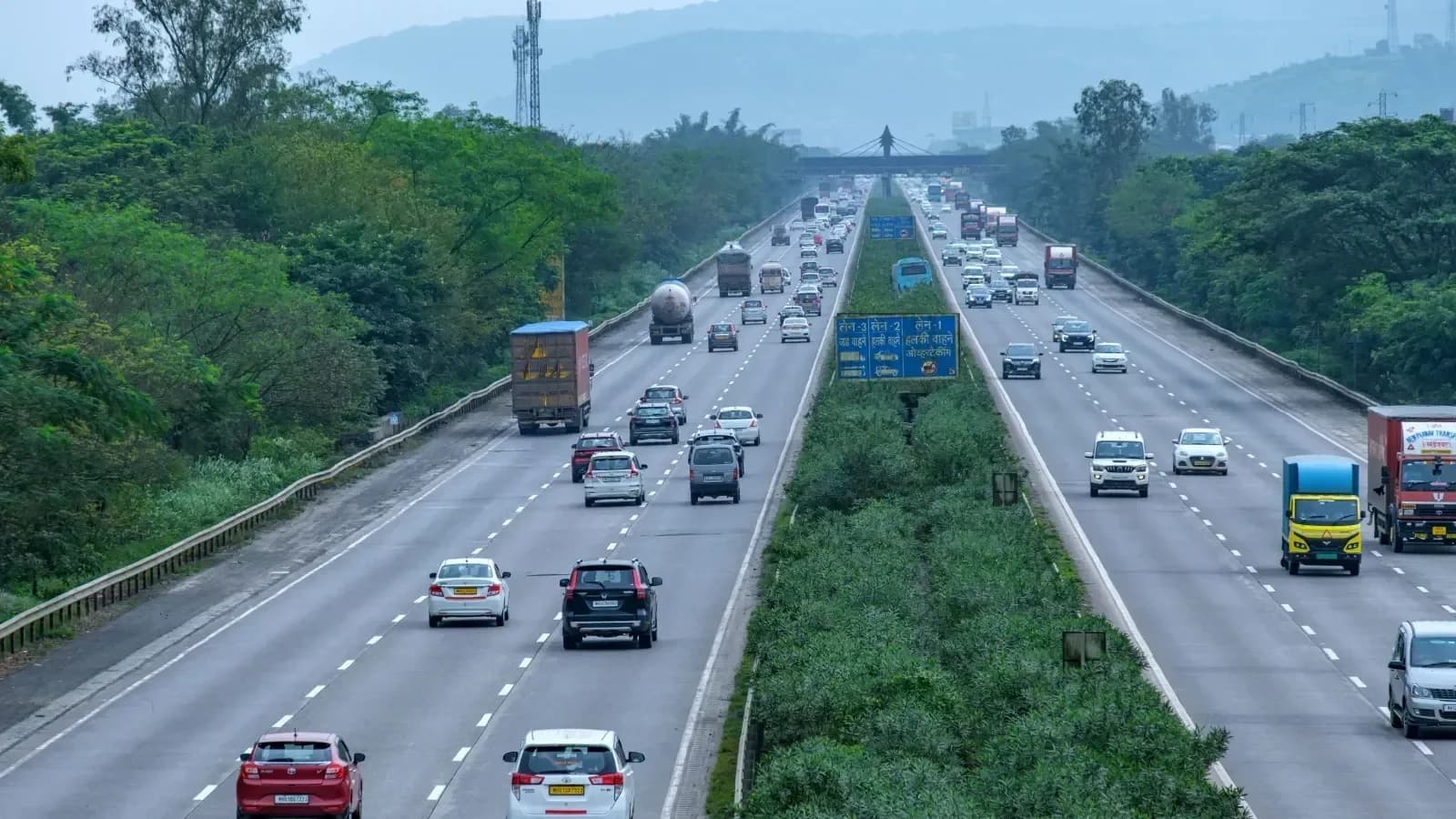
The Union government has intensified its push for faster implementation of industrial corridor projects, with finance minister Nirmala Sitharaman emphasizing the need to shift focus from project approvals to timely completion of infrastructure, industrial land allotment, investment mobilization, and production commencement. According to reports from Rediff Moneynews, this directive came during the third meeting of the Apex Monitoring Authority of the National Industrial Corridor Development and Implementation Trust (NICDIT), chaired by Sitharaman. Commerce and industry minister Piyush Goyal stressed the requirement for investor-ready industrial ecosystems featuring plug-and-play infrastructure, factories, worker housing, and supporting economic and social infrastructure to enable companies to begin operations faster. The meeting was attended by Union Minister for Commerce and Industry Piyush Goyal; Chief Minister of Madhya Pradesh Mohan Yadav; and Vice-Chairman, NITI Aayog Ashok Kumar Lahiri.
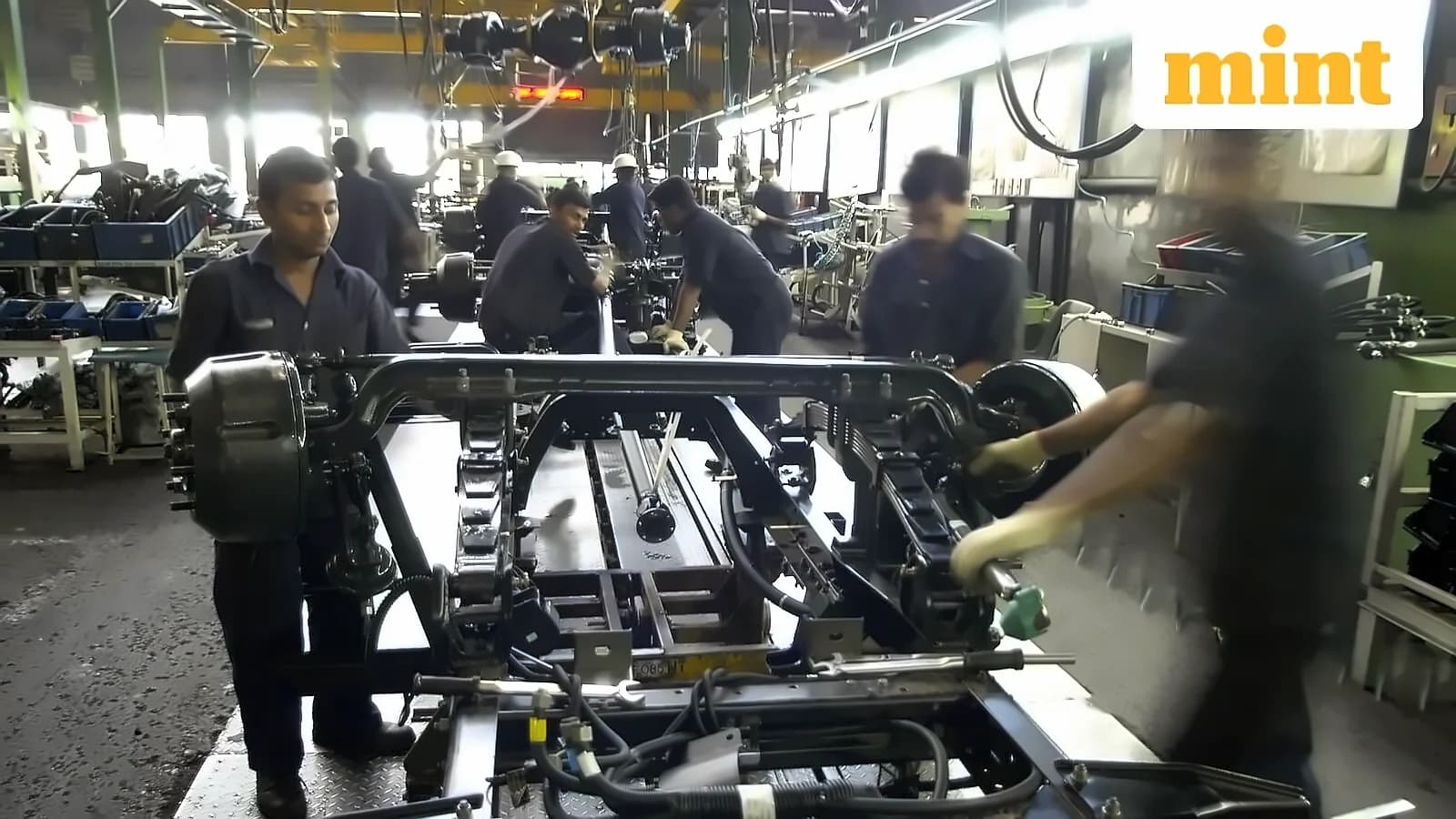
The National Industrial Corridor Development Programme (NICDP) has expanded to 20 approved projects across 13 states and seven industrial corridors, as reported by Rediff Moneynews. Four industrial smart cities—Dholera, Shendra-Bidkin, Greater Noida and Vikram Udyogpuri—have entered the production stage. The programme aims to develop 100 investment-ready, plug-and-play industrial parks nationwide under the Bharat Audyogik Vikas Yojana (BHAVYA). Sitharaman called for greater convergence among freight infrastructure, industrial development, railways, and expressways—or 'FIRE corridors'—and stressed the need for integrated planning through PM GatiShakti. Union Minister for Ports, Shipping and Waterways Sarbananda Sonowal emphasized the integration of national waterways with industrial corridors and suggested examining waterways as a potential spine for corridor development.
According to the government data reported by Rediff Moneynews, 469 plots covering about 5,348 acres have been allotted under BHAVYA, representing an estimated investment potential of around ₹2.21 trillion and employment potential of approximately 1.29 lakh people. As many as 134 units are already in production, while another 95 units are under construction. The first round of the scheme has received 87 applications from states against up to 20 projects proposed for approval, indicating strong interest in the programme. The appraisal of BHAVYA proposals will consider availability of ready land, credible industrial demand, connectivity, assured utilities, realistic project phasing and investor attraction capabilities. Sitharaman also emphasized that the next pipeline of industrial land and infrastructure should be prepared well before the existing inventory is exhausted.
As reported by Rediff Moneynews, Sitharaman urged states to address bottlenecks related to land, connectivity, utilities, statutory clearances and powers of project special purpose vehicles. Niti Aayog vice-chairman Ashok Kumar Lahiri called for greater priority to empowering project SPVs with adequate planning, development and municipal powers to enable timely decisions and reduce dependence on multiple state agencies. Union minister Sarbananda Sonowal emphasized integrating national waterways with industrial corridors and developing industrial infrastructure in northeastern states. The government is also seeking to make industrial parks more responsive to investors' specific requirements by matching requirements with suitable locations and creating ready-to-use industrial ecosystems. Goyal called for focused investor outreach and stronger marketing of industrial nodes, including leveraging opportunities created by India's free trade agreements and exploring country- and sector-specific industrial enclaves.
According to Rediff Moneynews reports, Sitharaman highlighted the importance of social infrastructure around industrial centres, stating that worker housing, healthcare, skilling, public transport and other social amenities should form an integral part of industrial development. The government is seeking to make industrial parks more responsive to investors' specific requirements by creating ready-to-use industrial ecosystems that can shorten the time between investment decisions and production start-up. Goyal called for focused investor outreach and stronger marketing of industrial nodes, including leveraging opportunities created by India's free trade agreements and exploring country- and sector-specific industrial enclaves.