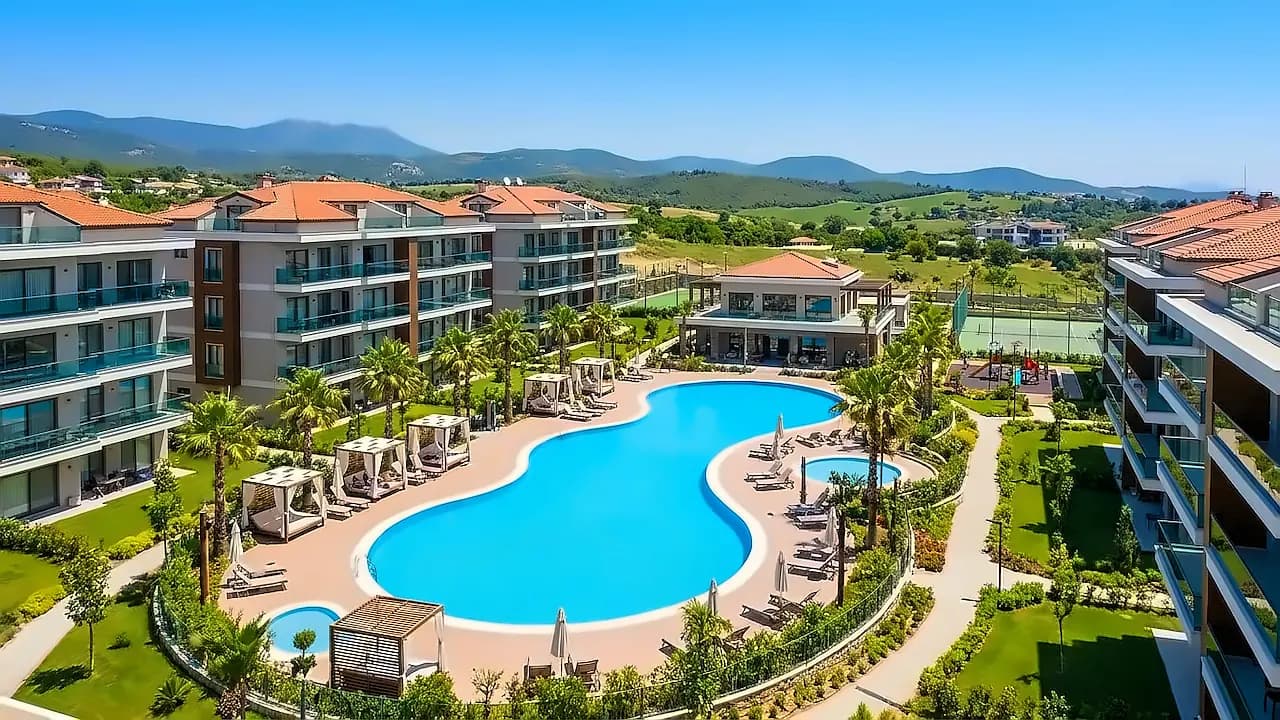
Bandra's housing market is experiencing its sharpest split since the redevelopment wave of the early 2000s, according to reports from Business Standard. The suburb is witnessing a fundamental shift where older stock (25-45 years old) with tight lobbies, single lifts, and stilt parking is competing against new towers with double-height lobbies, sky decks, and automated parking. This transformation is evident in stark sales performance - one flat sold in 60-90 days while another has been on the market for two Diwalis despite being identical in size and location.
The purchasing criteria has fundamentally changed, as reported by Business Standard. Buyers now ask about gym facilities, pool temperature control, hyperbaric chambers, and valet parking before inquiring about carpet area. The critical question has shifted to who else lives in the building, which older societies cannot answer well. HNI buyers with ₹15-30 crore are not purchasing square feet but the experience of arriving home, with increasing focus on the profile of neighbors they share elevators with. This represents a move from location-based purchasing to lifestyle and demographic considerations.

Older resale stock without redevelopment potential has broadly flatlined for three years while under-construction inventory in the same lanes is up 18-25%, according to Business Standard reports. Rentals tell the same story faster - a 3 BHK in a new tower commands ₹3-4 lakh monthly while the same size flat in a 1990 address struggles past ₹2.5 lakh. Some owners have quietly stopped listing altogether due to negotiation challenges on lift reliability and other infrastructure issues.
New RERA registered projects arrive with defined timelines, defect liability, and clean title chains while resale in older buildings often carries inherited baggage including share certificate mismatches, legacy stamp duty gaps, and verbally promised parking slots from 1993, as reported by Business Standard. Returning NRI buyers have no appetite to unwind these issues, leading them to choose under-construction towers instead. This documentation burden significantly impacts resale values and buyer confidence in older properties.
Redevelopment remains the standard escape hatch but runs on Mumbai time with layout approvals, society consent, and family objections taking 5-10 years, according to Business Standard reports. The man across the table today is not waiting a decade for your building to become fashionable, creating pressure on sellers to price for market reality rather than legacy value. This timeline challenge compounds the difficulty older buildings face in competing with immediate availability of new construction.