Wealth managers are increasingly embracing digital assets as a legitimate portfolio component, with 32% of advisors now investing in digital assets for client accounts in 2025, up from 22% in 2024, according to a Bitwise survey. As reported by FinTech Global, Mauro Carcano from Prometeia believes digital assets are one of the biggest trends within the wealth management sector, particularly appealing to younger generations who seek greater involvement in investment decisions and access to wider investment options. The tokenized private credit market has already exceeded $14 billion globally, with projections pointing toward $16 trillion in tokenized assets by 2030. However, traditional intermediaries remain cautious due to the lack of established regulatory frameworks and infrastructure challenges.
Despite growing interest, wealth managers face significant infrastructure and regulatory hurdles that prevent widespread adoption. According to FinTech Global, Fredrik Davéus from Kidbrooke explained that while the opportunity is real, the question is whether wealth managers have the infrastructure to treat digital assets like any other asset class. The firms that will succeed are those that can model digital asset exposure properly within a client's full financial picture, accounting for volatility, correlation, and downside risk. State Street's 2025 Digital Asset Survey identified that 46% of respondents cited safety and soundness of digital assets and their underlying technology as the biggest barrier, while 43% pointed to lack of regulatory clarity as the primary hurdle. The US recently enacted the GENIUS Act for stablecoin frameworks, and the EU's MiCA regulation went into full effect at the end of 2024, providing standardized regulatory frameworks across member states.

Experts recommend a measured approach to digital asset integration, focusing on immediate value propositions rather than speculative crypto investments. As reported by FinTech Global, Jurgen Vandenbroucke from everyoneINVESTED noted that firms are less interested in crypto as speculative category and more interested in blockchain-enabled financial engineering that improves distribution, operations, and client experience while keeping risk and compliance controllable. The most compelling cases involve improving distribution reach, operational efficiency, product design, and risk management through tokenization. Morgan Stanley recently broadened access to digital assets to all clients, and Charles Schwab introduced digital asset futures trading, indicating growing institutional confidence in the asset class.
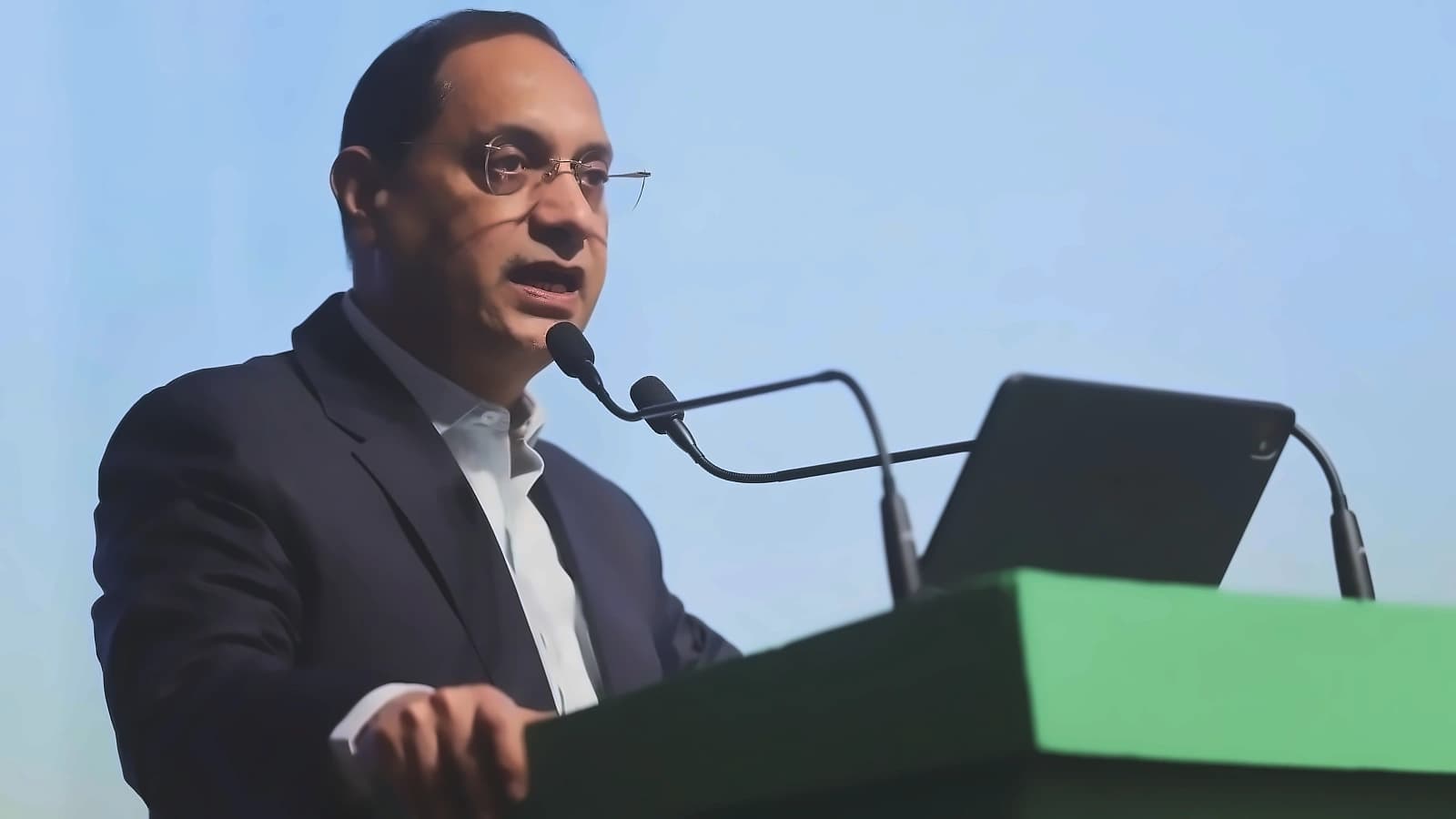
India's wealthy investors continue their shift toward global markets alongside digital asset adoption. According to reports from The Economic Times, wealth managers at the ET Alpha Wealth Summit confirmed this transition from fringe conversation to mainstream adoption. The panel discussion featured experts emphasizing that strong domestic asset allocation remains crucial before venturing abroad, with right asset allocation through market uncertainties enabling better navigation capabilities. Despite global diversification trends, experts stress that digital assets should be approached as a deliberate layer within a broader, well-balanced strategy rather than a knee-jerk reaction to short-term underperformance.
Industry leaders predict digital assets will become normalized within wealth management within the next five to seven years, not dominant but standardized in the same way alternatives have been adopted. As reported by FinTech Global, Davéus believes firms need to check whether their planning and advice infrastructure will be ready when client demand and regulatory clarity align. The firms building flexible, model-driven platforms that can extend to new asset classes without multi-year IT projects will be best positioned to respond quickly. However, challenges remain with consistent market data for digital assets currently fragmented and unreliable, and the need for firms to model digital asset volatility and correlation within existing portfolio construction frameworks.