Digital asset firms are set to engage with sovereign investors at a Delhi roundtable this week as India continues its focus on faster, cheaper international payments. According to reports from The Times of India, the Brics Digital Asset Round Table will bring together 50 industry leaders to discuss digital asset opportunities and their potential role in international payment systems. The September 12 BRICS Digital Asset Round Table will be held at The Oberoi, bringing together digital asset companies from BRICS and partner countries to seek a bigger place in cross-border payments and institutional investment.
The roundtable represents significant sovereign investment potential, with investors attending the accompanying iBRICS summit managing $1 trillion across sovereign funds, pension funds and family offices. As reported by The Times of India, India is pursuing faster, cheaper international payments through digital asset technology, but replacing the dollar is not on its agenda. This positioning suggests a pragmatic approach to digital asset integration within existing financial systems rather than a fundamental shift away from traditional payment mechanisms. The September 12 BRICS Digital Asset Round Table will be held alongside the BRICS leaders' summit, highlighting the strategic importance of digital asset discussions within the broader BRICS framework.
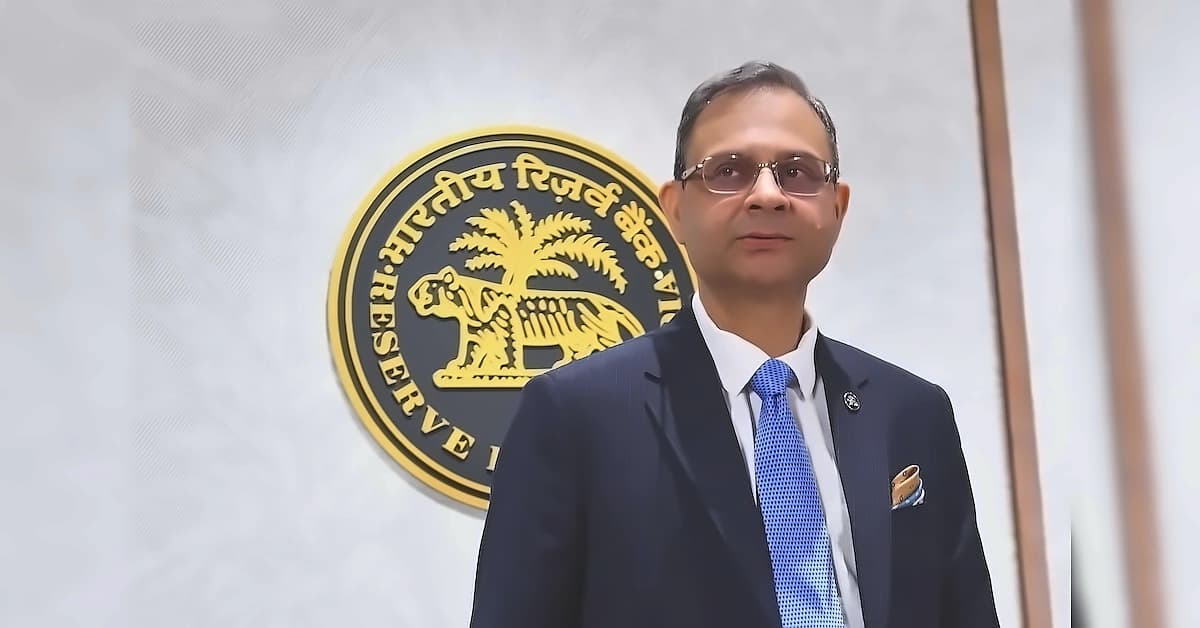
The meeting will examine linking national digital currencies and payment networks, including India's UPI and Brazil's Pix. According to The Times of India, the payments argument has practical basis as international transfers can involve several banks and currency conversions, adding costs and delays. Connecting domestic systems could shorten that chain, benefiting businesses and people sending money abroad. RBI governor Sanjay Malhotra said on August 11 that BRICS discussions covered central bank digital currencies and fast-payment links, with reducing costs a priority. The options remained under discussion during these discussions.
At the Delhi meeting, participants are expected to sign an industry charter covering issuance, custody, settlement and investor protection. As reported by The Times of India, regulators and officials implementing digital currency programmes are expected as observers. The charter would set industry principles within the rules laid down by governments, addressing the practical need for enforceable ownership and reliable custody in tokenised projects. SWFI chairman Lakshmi Narayanan noted that until now, allocators of sovereign capital and the builders of those rails have sat in different rooms. The roundtable's proposed charter seeks to give investors and authorities a shared reference for transactions across borders.
India's participation extends beyond BRICS through initiatives like Project Nexus, designed to connect domestic instant-payment systems, and mBridge (Multiple Central Bank Digital Currency Bridge), developed with China and other central banks. According to The Times of India, these parallel projects suggest that decisions about who governs payment networks will accompany choices about speed and cost. Companies will also explore investment in infrastructure, energy, property and critical minerals through digital tokens representing rights in underlying assets. India has also supported wider use of local currencies for trade, though this agenda carries diplomatic sensitivities as New Delhi has said de-dollarisation is outside its financial programme, while US President Donald Trump has threatened 100% tariffs against BRICS countries seeking to replace the dollar.