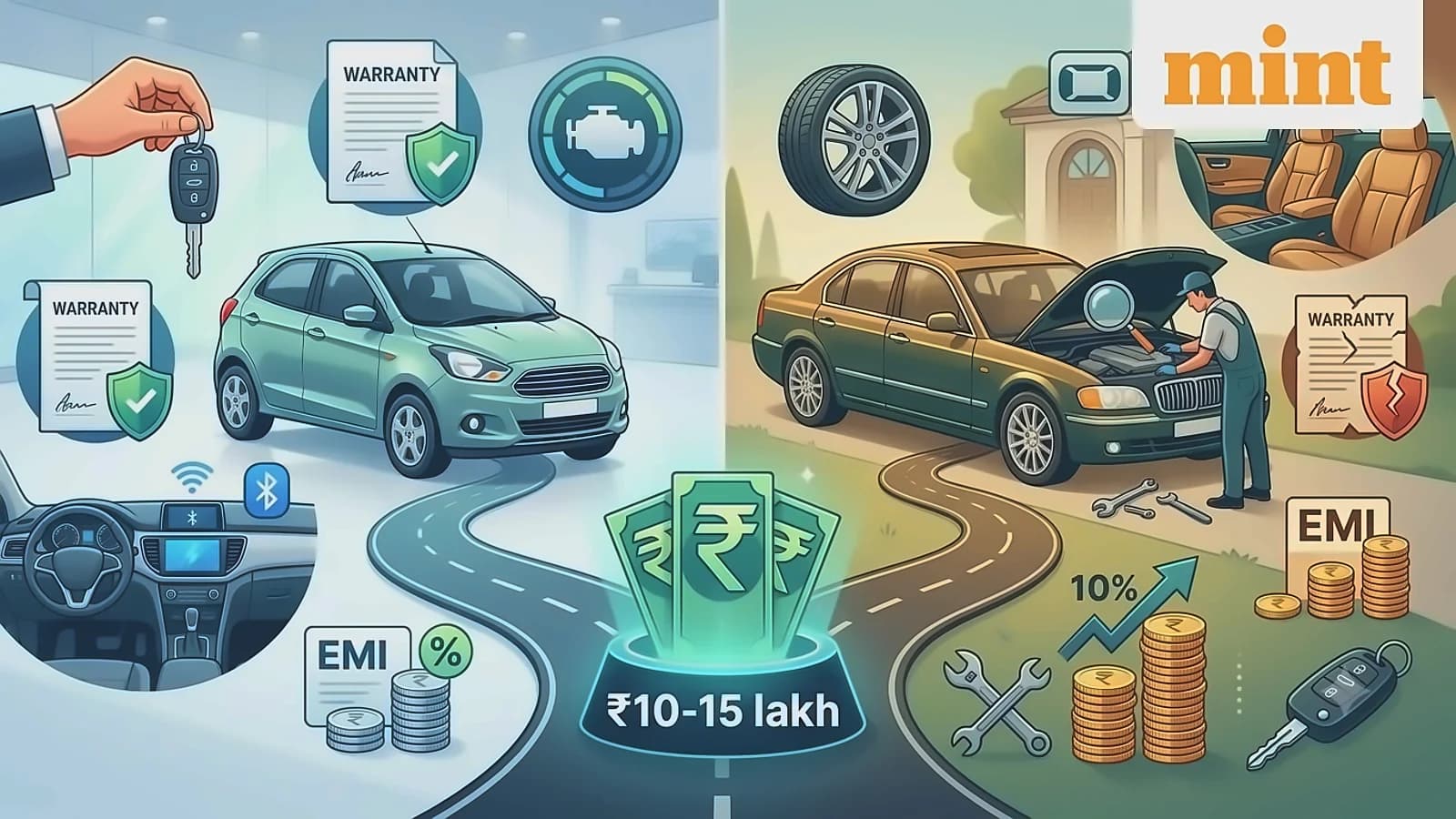
According to a CRISIL Ratings analysis, used hatchbacks and sedans still cost around 25% less to own over a five-year period than comparable new models, while used SUVs and utility vehicles remain roughly 20% cheaper. Despite changes in the Goods and Services Tax (GST) last year that narrowed the price gap between new and pre-owned cars, pre-owned vehicles continue to offer superior affordability. As reported by CRISIL, even after last year's GST rationalisation reduced the price difference between new and used vehicles by 4-6%, pre-owned cars maintain their cost advantage over the longer ownership period.
CRISIL estimates that organised and unorganised used-car sales will grow 7-9% this financial year, taking total volumes beyond 7 million vehicles. According to the report, used-car sales continue to outnumber new-car sales, with the used-to-new car sales ratio remaining just above 1, far below the 2.5-3.5 times seen in mature markets. The average age of used cars sold has improved significantly, now around four years old compared with more than eight years a decade ago, thanks to faster replacement cycles and frequent model upgrades.
According to CRISIL, nearly two out of every three used-car buyers are first-time car owners, suggesting that pre-owned vehicles are increasingly becoming the entry point into car ownership. New car prices have steadily risen due to stricter emission norms, rising input costs and additional safety features, prompting many first-time buyers to opt for nearly new vehicles that offer similar features at significantly lower prices. The report indicates that buyers with fixed budgets can step up to higher variants or larger vehicles through the used vehicle route, accessing better-equipped vehicles at lower cost of ownership.
Organised companies now account for around 26% of used-car sales, up from 20-21% in FY22, according to CRISIL. Within the organised market, asset-light marketplace platforms account for about 85% of transactions, while inventory-led players make up the balance. The report notes that marketplace players turned profitable last fiscal, while inventory-led platforms raised approximately ₹3,000 crore over the past two years. Digital marketplaces have improved transparency through vehicle inspections, verified ownership histories and easier financing options, helping organised players increase their market share. However, the market remains dominated by unorganised dealers and direct transactions, with trust concerns traditionally being a major deterrent to used vehicle purchases.
According to CRISIL, greater financing availability, higher leasing penetration and the continued expansion of organised used-car platforms could drive further growth over the coming years. As reported by Anuj Sethi, Senior Director at Crisil Ratings, used-car volumes are expected to grow 7-9% this fiscal, led by first-time buyers who account for nearly two-thirds of transactions. The report suggests that rising new vehicle prices and affordability considerations are supporting used car demand, while greater digital adoption has improved transparency and financing access, helping formalize a market long constrained by trust concerns. Looking ahead, the report mentioned key factors including the availability of quality inventory, residual-value volatility through the GST transition, increasing financing penetration, and the pace at which organised players achieve profitability.