Electric passenger vehicle sales in India surged approximately 40% in the three months ended May to a record monthly average of around 26,000 units, according to reports from Crisil Ratings. The agency expects electric four-wheeler volumes to more than double by next fiscal year, with projections exceeding 5 lakh units compared to about 2.2 lakh units in FY26. This growth trajectory is expected to lift market penetration to 8-10% from the current 6.1% recorded during the three months through May, compared with an average of 4.6% in fiscal 2026. As per Crisil Ratings, the growth reflects a broader structural shift in the passenger vehicle market rather than a temporary response to higher fuel prices. "The long-term growth trajectory remains intact despite periodic policy or pricing adjustments," said Manish Gupta, Senior Director and Deputy Chief Ratings Officer at Crisil Ratings.
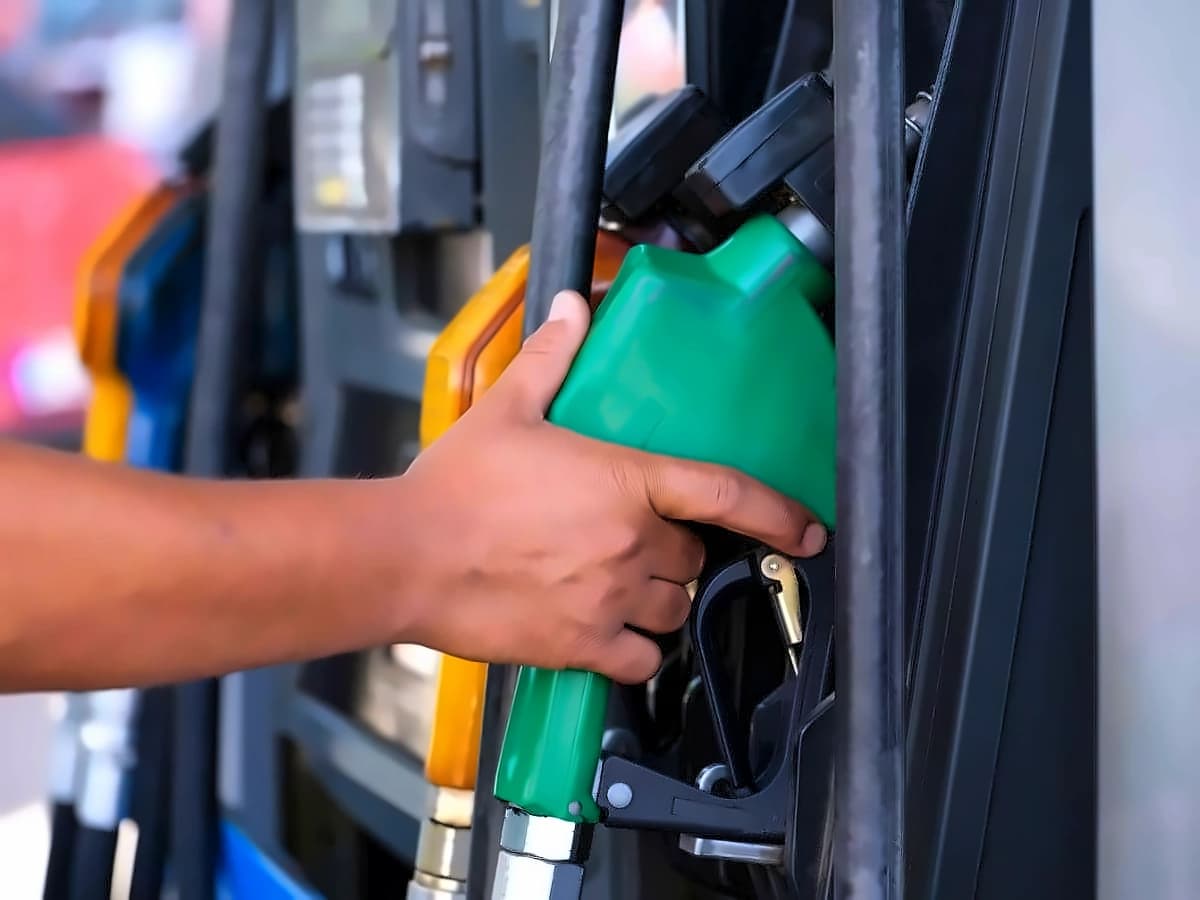
The momentum in electric vehicle sales is being driven by structural factors rather than recent fuel price spikes, as reported by Crisil Ratings. The running cost of internal combustion engine vehicles increased 7-8% this May due to spike in fuel prices, improving the relative total cost of ownership (TCO) of electric four-wheelers by a good 300 basis points. Higher fuel prices following tensions in West Asia have increased the operating cost of petrol and diesel vehicles, improving the cost competitiveness of electric vehicles despite the recent fuel price spike. However, the ratings agency noted that demand momentum for electric cars was already strengthening before the fuel price surge, indicating that the structural shift was already underway. "While a GST cut on ICE vehicles in September 2025 temporarily narrowed the ownership-cost advantage enjoyed by EVs and slowed growth for a few months, demand has regained traction as electric vehicles become more affordable," according to Crisil Ratings.
Electric vehicle acquisition costs have declined by 10%-15% over the past two fiscal years, helped by product innovation and manufacturing scale efficiencies, according to Crisil Ratings. The number of electric passenger vehicle models available in India has doubled to around 20 over the past two years and is expected to exceed 35 by next fiscal year. Several new launches in the sub-₹15 lakh segment are expected by next fiscal, potentially increasing the total model count to more than 35. Consumer concerns over range have eased as premium electric models now offer between 500 kilometres and 700 kilometres on a single charge, while mid-range vehicles deliver 300-450 kilometres. Extended battery warranties of 8-10 years and innovative ownership structures such as Battery-as-a-Service are easing concerns about upfront costs and long-term reliability. The proposed tightening of corporate average fuel efficiency (CAFE) norms from next fiscal could provide an additional push to EV adoption, the report said.
Automakers are increasing investments in electric mobility despite concerns that EVs remain less profitable than conventional vehicles, as reported by Crisil Ratings. The agency estimates that more than 40% of the roughly ₹60,000 crore of capital expenditure planned by automakers over this fiscal year and next will be directed toward expanding EV portfolios, localising supply chains and scaling production. Crisil estimates that automakers will invest more than ₹24,000 crore in EV-related activities over FY2027 and FY2028, accounting for over 40% of the industry's projected capex outlay of around ₹60,000 crore during the period. "OEMs are entering this investment cycle from a position of strength," said Anand Kulkarni, Director, Crisil Ratings. "Healthy cash generation from existing ICE portfolios and stronger balance sheets should help absorb the elevated EV investments without materially weakening credit profiles." However, Kulkarni cautioned that a faster shift towards electric vehicles could pressure profitability in the near term. "Margins may remain diluted initially because manufacturers are still building scale while competing aggressively on pricing. But as volumes increase, localisation improves and operating leverage kicks in, profitability should gradually improve," he said.