According to CA Abhishek Soni, the tax treatment of ULIP income depends on whether it qualifies for exemption under Section 10(10D). If your ULIP maturity amount is exempt under Section 10(10D), report it under Schedule EI (Exempt Income) in your ITR. However, if your ULIP is taxable, the gains must be reported under Schedule Capital Gains, which typically applies to certain ULIPs issued on or after February 1, 2021 where the annual premium exceeds the prescribed limit. As reported by Vipin Upadhyay from King Stubb & Kasiva, taxpayers should carefully examine the premium thresholds, date of issuance, and insurer's statements before claiming any exemption to avoid unnecessary queries from tax authorities.

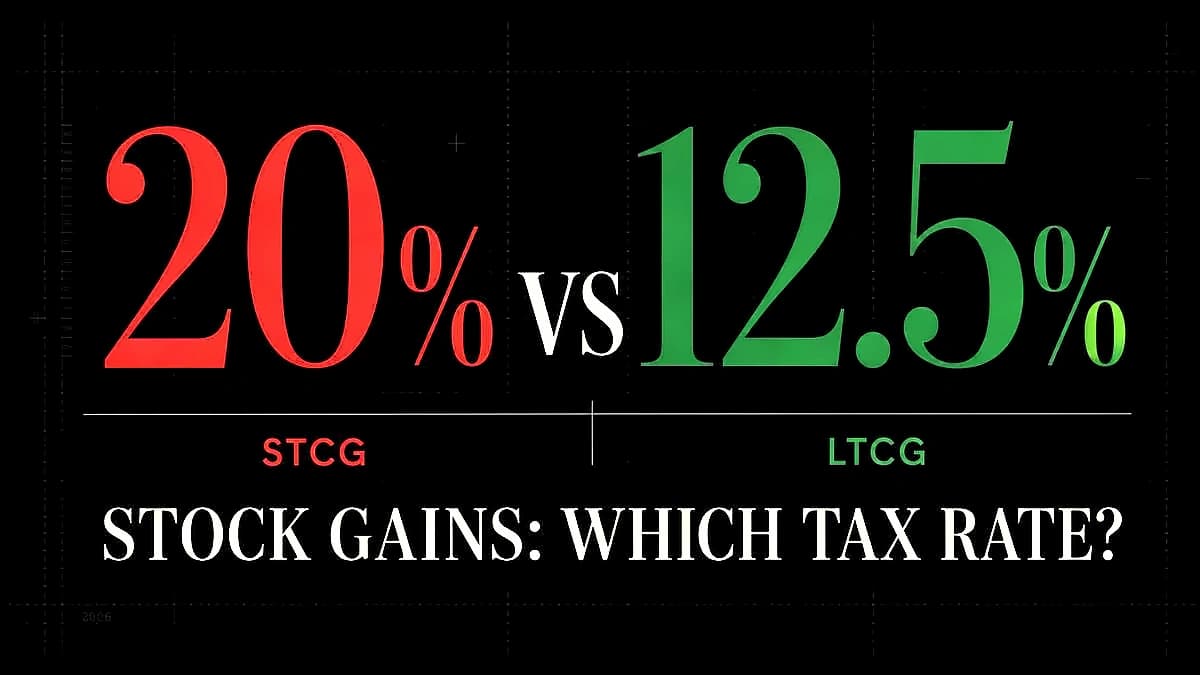
According to Shourya Garg from Garg & Garg Tax Associates, the ₹2.5 lakh annual premium threshold is crucial for ULIP taxation. If your total ULIP premiums across all policies stay within that limit, maturity proceeds remain fully tax-free under Section 10(10D). However, crossing this threshold results in complete loss of exemption, with gains taxed as capital gains under Section 112A. For policies held over a year, long-term capital gains are taxed at 12.5% with the first ₹1.25 lakh of gains exempt each year. Short-term treatment applies at slab rates for policies sold or surrendered within one year. The premium threshold is calculated based on the total premium paid across all eligible ULIP policies, not on each policy separately, meaning taxpayers should review all their policies collectively before determining tax treatment.
As reported by Garg, taxpayers with taxable ULIP gains cannot report them in ITR-1 due to the capital gains reporting limitations. The ₹2.5 lakh threshold applies to combined premiums across every ULIP held, meaning splitting premiums across multiple policies will not help avoid taxation. Taxpayers with taxable ULIP gains must file ITR-2 instead of ITR-1, as ITR-1 cannot handle capital gains reporting. Before proceeding with tax filing, Soni advises tax filers to verify details in key documents such as the Annual Information Statement (AIS), Form 26AS, and TDS certificate to ensure income and TDS details are correctly reported. Understanding whether your ULIP qualifies for tax exemption is the first step towards filing an accurate ITR.
A ULIP is an investment option that combines life insurance with market-linked investments, where a portion of the premium provides life cover while the remaining amount is invested in debt, equity or balanced funds to generate market-linked returns. The tax treatment of ULIP proceeds depends primarily on eligibility under Section 10(10D) of the Income Tax Act, 1961. If the policy satisfies prescribed conditions, the maturity amount remains tax-free and should be disclosed as exempt income in the ITR. When the policy does not qualify for exemption, generally because it exceeds the prescribed premium threshold, the gains become taxable as capital gains. The basic categorisation shows that ULIPs qualifying for exemption are tax-free under Schedule EI, while those not qualifying are taxable as capital gains under Schedule CG.