For Assessment Year 2026-27, the Income Tax Department has introduced significant changes to the tax regime, with individuals and certain entities facing a maximum 39% income tax rate under the new tax regime. This maximum marginal rate applies to specific income categories to prevent tax avoidance, while the new regime streamlines surcharges by capping them at 25%. However, exceptions exist, potentially leading to higher rates in specific AOP or BOI scenarios. Tax experts advise taxpayers to delay filing their Income Tax Returns until after June 15th, allowing for accurate updation of the Annual Information Statement with data from companies and banks, and ensuring salaried individuals have their Form 16 before filing.
Choosing the wrong ITR form remains one of the most common errors, with incorrect form selection resulting in defective return notices and processing delays. As reported by Mint, examples include filing ITR-1 despite having capital gains from shares or mutual funds, or filing ITR-1 when taxpayers have foreign assets, multiple house properties, or business income. Tax experts specifically advise waiting until mid-June when reporting data is more complete to avoid filing before Form 16 is issued or AIS is fully updated. Salaried employees without Form 16 can still file using salary slips, Form 26AS, and bank statements, though this requires more careful documentation.
Many taxpayers rely only on Form 16 and fail to check interest from savings accounts, FDs, dividend income, capital gains, and other reported transactions appearing in AIS. According to Mint, mismatches between these records are among the biggest reasons returns get flagged for review. Common omissions include FD interest, savings account interest, dividend income, freelance or consulting income, and rental income, with the department often receiving this information directly from banks and institutions. Filing without complete information can lead to discrepancies and potential tax notices, making it crucial to wait for accurate data before submitting returns.
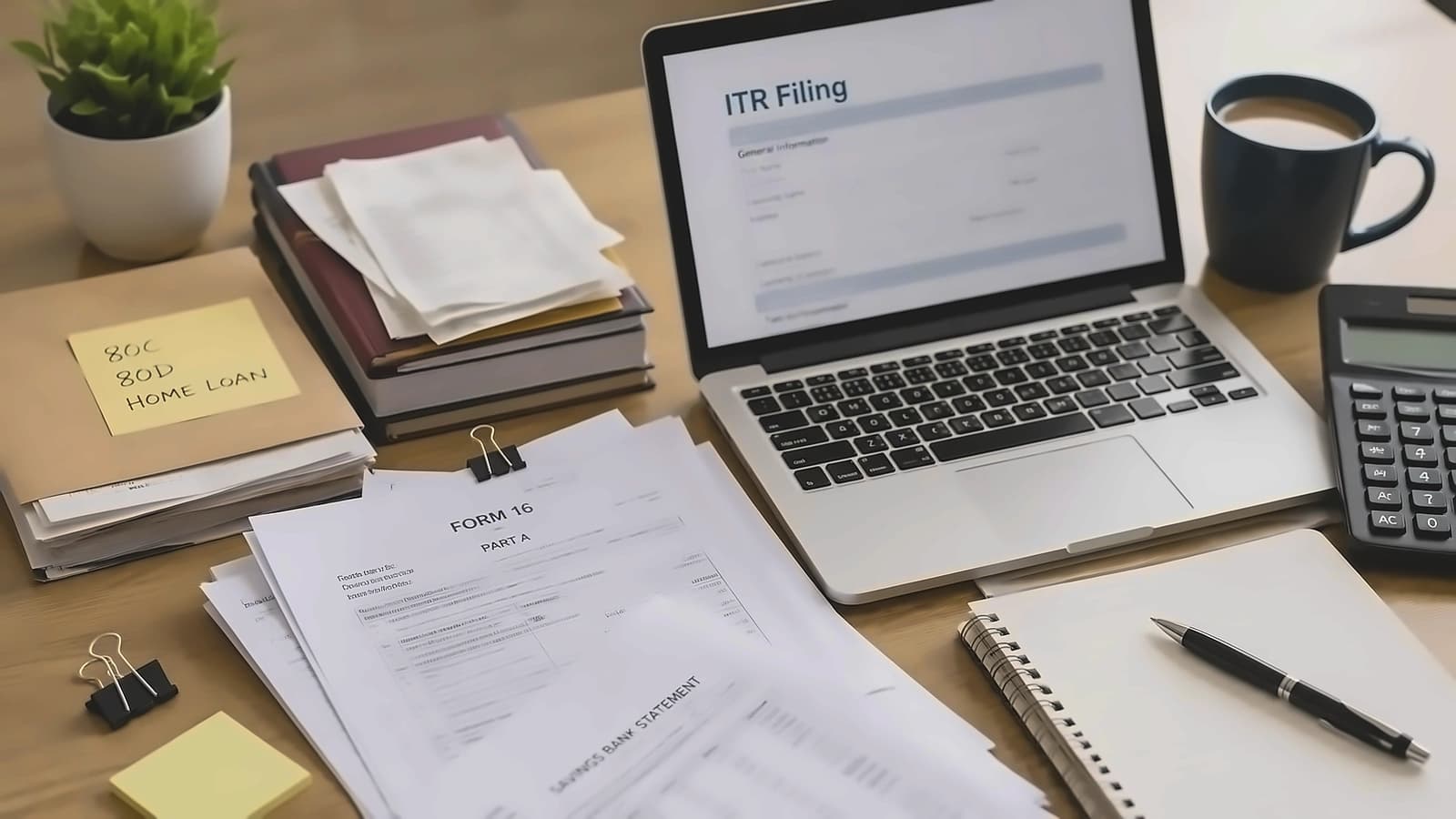
Claiming deductions without proper eligibility can lead to tax demand notices later, with examples including excess Section 80C claims, incorrect health insurance deduction under Section 80D, and deductions already considered by employers. As reported by Mint, claiming incorrect TDS credit is a major cause of refund delays, with tax experts advising not to claim TDS unless it appears correctly in Form 26AS or relevant tax statements. Overstating TDS can trigger department queries and processing delays. The filing deadline for AY 2026-27 is July 31, 2026, providing adequate time for proper documentation and verification.
Several specific mistakes can directly delay refund processing, according to Mint analysis. Incorrect or unvalidated bank account details, including wrong account numbers, IFSC codes, or closed accounts, can cause refund failure or delays. AIS/Form 26AS mismatch when reported income differs from government records requires additional verification, while wrong TDS claims often delay processing. Not completing e-verification within prescribed periods can treat returns as not filed, and ignoring notices or outstanding tax demands can hold up refunds until issues are resolved. The latest IRS refund status data shows many delayed federal tax refund payments are now moving through the system, with thousands of taxpayers still waiting for processing.