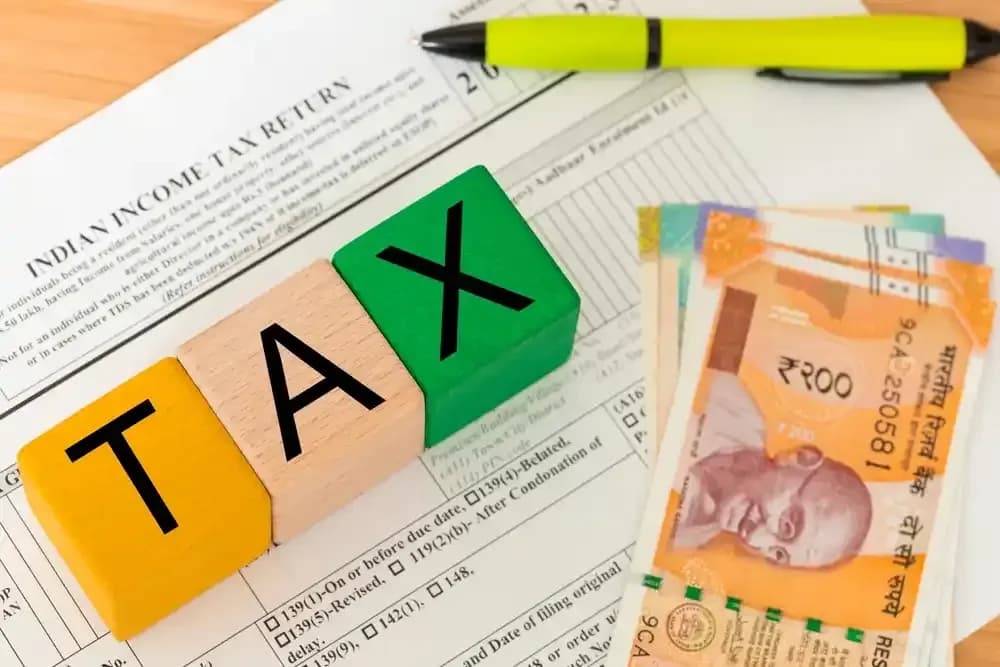
According to The Times of India, taxpayers face significant challenges during income tax return filing for FY 2025-26. The biggest misconception today is that a pre-filled return is a ready-to-file return. In reality, the responsibility for reporting complete and accurate information continues to rest with the taxpayer. As Archit Gupta, Founder and CEO of ClearTax, emphasizes, "Tax filing should not be viewed as a year-end compliance exercise but as a financial reconciliation process. A careful review before submission can help avoid notices, refund delays, and unnecessary tax disputes."
As reported by The Times of India, selecting an incorrect ITR form can result in the return being treated as defective. For salaried taxpayers, the choice is between ITR-1 and ITR-2. Incomes above ₹50 lakh require ITR-2 to be filed. If your capital gains are less than ₹1.25 lakh you can file ITR-1. Additionally, taxpayers must compare their tax liability under both the old and new income tax regimes before making their choice. If opting for the old income tax regime, remember to file the return within the July 31, 2026 due date, after which the option cannot be exercised.
According to The Times of India, taxpayers should independently verify all income and tax details despite pre-filled information. Verify your PAN, Aadhaar, bank account details, and IFSC code to avoid refund delays. In case of refunds, incorrect personal details will delay refunds. Before filing, compare your income and TDS details with AIS, Form 26AS, and Form 16/16A. Mismatches can lead to notices or delayed refunds. As per The Times of India, tax experts emphasize that taxpayers should "reconcile their tax return with Form 26AS, the AIS, and the Taxpayer Information Summary (TIS) before filing."
As reported by The Times of India, taxpayers must report all income sources including interest income, rental income, dividends, freelance earnings, capital gains, and income from multiple employers. Many taxpayers overlook gains from shares, mutual funds, or property transactions, which must be disclosed correctly even where TDS has been deducted. Additionally, resident taxpayers should correctly report foreign assets and foreign income, where applicable, as inaccurate or no disclosure may lead to scrutiny and penalties. According to The Times of India, "taxpayers can often omit certain income components, particularly those that are not fully captured in Form 16, such as interest income, dividends and small investment gains."
According to The Times of India, your filing process is complete only after e-verification or submission of the signed ITR-V within the prescribed timeline. This is an absolutely essential step. Taxpayers should claim only those deductions and exemptions that they are eligible for and maintain supporting documents. Any false claims can trigger a tax notice, making it crucial to avoid ineligible deduction claims. As per The Times of India, experts suggest that "taxpayers should view the tax return as a comprehensive disclosure document rather than merely a tax payment exercise. Ensuring completeness, accuracy and transparency at the time of filing remains the best safeguards against future notices."