India has launched Demat 2.0, a pilot program that tokenizes corporate bonds and settles transactions using the RBI's wholesale digital rupee, marking a significant step in bringing blockchain technology deeper into regulated financial markets. This initiative represents a major milestone in India's digital transformation of traditional financial instruments, testing blockchain-based settlement mechanisms for corporate bond transactions. The program demonstrates how tokenization has evolved from theoretical proposals to consolidated operational infrastructure in 2026, with financial institutions and operational platforms now applying the technology in processes where it provides direct advantages in traceability, automation, and settlement efficiency.
According to recent analysis, tokenization fundamentally changes how bonds are recorded and accessed rather than altering their underlying credit risk or coupon payments. The core distinction lies in the method of ownership and transaction processing, with tokenized bonds representing a digital wrapper around traditional bond structures. This technological transformation affects the operational aspects of bond ownership while maintaining the essential financial characteristics of the underlying securities. The real estate market in Spain has been a pioneer in adopting this model, digitizing investment instruments rather than modifying direct property registration in the Property Registry, allowing capital to be divided into accessible fractions through platforms like Urbanitae, Housers, Wecity, or Civislend.
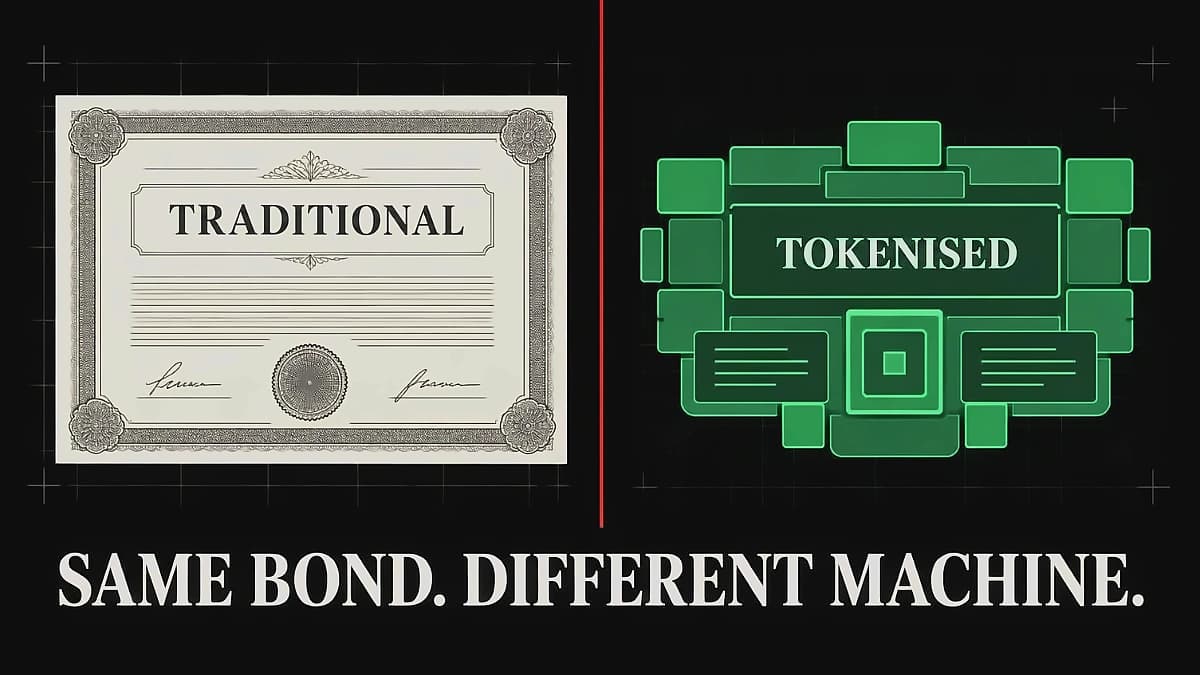
As reported in the analysis, tokenization offers enhanced accessibility and improved record-keeping capabilities for bond investors. The digital nature of tokenized bonds enables faster settlement processes, reduced counterparty risk, and improved transparency in bond ownership. These operational improvements are particularly valuable for institutional investors and high-frequency traders who require efficient access to bond markets. The technology allows automation of coupon payments and principal repayment without going through endless chains of intermediaries, representing a significant advancement in bond market efficiency and reducing operational friction in fixed income transactions.
According to the analysis, credit risk and coupon payments remain unchanged in tokenized bonds, as the technology focuses on operational improvements rather than altering the fundamental characteristics of the underlying securities. This means that investors can still evaluate bond creditworthiness and yield expectations based on traditional financial metrics, providing continuity for investment decision-making processes. The digital tickets sector has addressed historical problems of abusive resale and duplication fraud, with code changes every few seconds in apps reducing screenshot or duplication fraud by up to 95% and providing immutable records of ticket ownership.
The analysis suggests a 4-question test to determine which bond wrapper is most suitable for specific investment situations. This framework helps investors evaluate whether tokenization provides meaningful operational benefits or if traditional bond structures better align with their investment objectives and risk tolerance. The test focuses on factors such as trading frequency, counterparty risk management, and operational efficiency requirements, with the framework particularly relevant as tokenization has found concrete use cases in lower-risk assets where programmable digital tokens enable direct distribution under automated compliance rules and elimination of settlement waiting time.