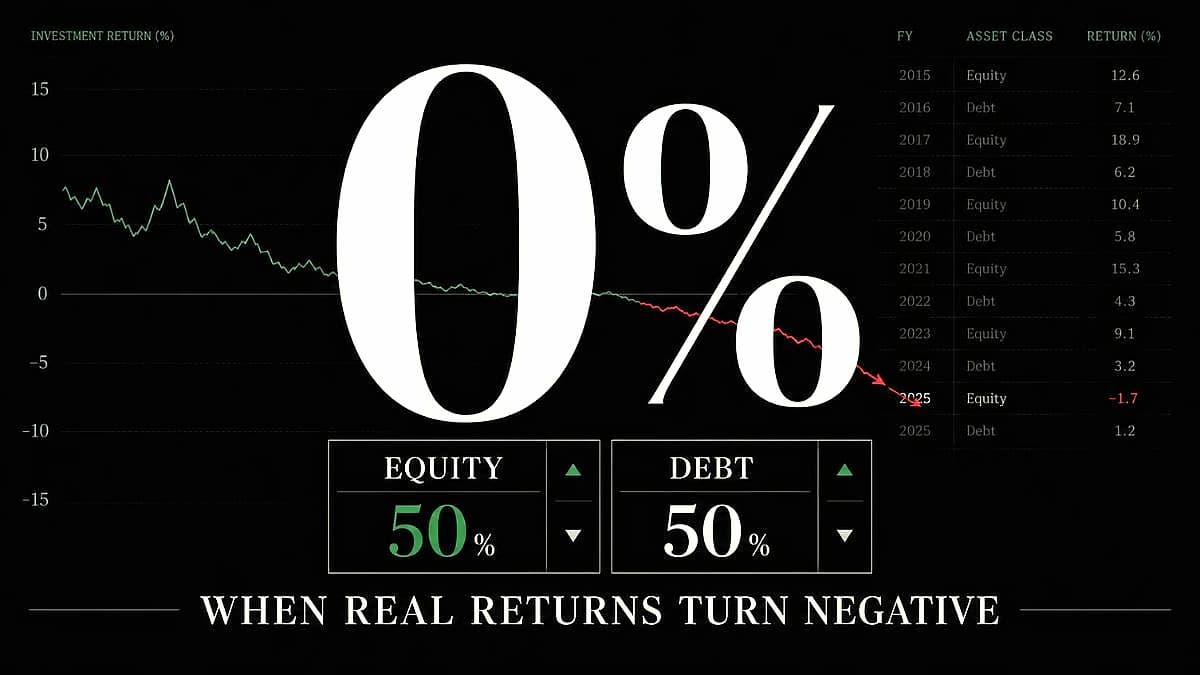
According to recent analysis, threshold rebalancing at ±5% generates 5-7 tax events over 15 years, while calendar rebalancing produces 15 tax events during the same period. This significant difference in tax efficiency stems from the frequency and magnitude of portfolio adjustments under each method. The threshold approach allows for more strategic timing of rebalancing events, potentially reducing overall tax burden compared to the systematic approach of calendar rebalancing. This analysis specifically applies to ETF portfolios in Canada, where understanding the mechanics and implications of rebalancing can help investors contextualize portfolio volatility and potential tax considerations.
As reported by the analysis, threshold rebalancing provides a more flexible approach that allows investors to time their rebalancing events based on market conditions and tax considerations. The method allows for strategic timing of portfolio adjustments rather than following a predetermined schedule, potentially reducing the number of taxable events. This approach may be particularly beneficial for investors seeking to optimize their tax liability while maintaining portfolio discipline. ETF portfolios can be monitored and adjusted using different approaches to maintain alignment with target asset allocation, with threshold-based rebalancing focusing on defining acceptable deviation ranges around target allocations. Recent developments in software technology now enable threshold-based rebalancing combined with daily portfolio monitoring, allowing systems to evaluate portfolios frequently while generating trades only when defined drift and trade-value thresholds are met.
According to the analysis, the hybrid rule represents the most suitable strategy for most investors. This approach combines elements of both threshold and calendar rebalancing methods, providing investors with the flexibility to adjust their portfolio strategy based on market conditions while maintaining a systematic approach to portfolio management. The hybrid method allows for strategic timing of rebalancing events while ensuring regular portfolio maintenance. Some portfolios combine calendar-based reviews with attention to thresholds, reviewing at periodic intervals but making interim adjustments if drift exceeds defined bands, balancing operational simplicity with risk management. Recent software developments have enhanced this approach by applying cooldown periods between rebalance events and generating trades only for positions exceeding configured drift limits, preventing unnecessary trading following minor allocation changes.
Modern portfolio rebalancing software has evolved to support sophisticated algorithms that separate portfolio evaluation frequency from trade execution frequency, allowing portfolios to be monitored daily while trades are generated only during scheduled rebalance windows. Hybrid rules combine scheduled portfolio reviews with threshold-based trade triggers, creating systems that evaluate portfolios on defined schedules while generating trades only for positions exceeding configured drift limits. These systems incorporate cash rules that prevent the rebalancing engine from treating every allocation difference as a security trade, including deposit and withdrawal handling and cash buffer management for fees and pending transactions. The software architecture can be scaled to process hundreds or thousands of accounts against shared models while maintaining account-specific restrictions, with production systems requiring additional logic for tax lots, cash requirements, minimum trade sizes, restricted securities, and real-time workflows. Development costs vary significantly based on system scope, with basic portfolio calculation engines requiring less development than platforms supporting tax-aware optimization, multiple custodians, and automated execution across thousands of accounts.