According to The Economic Times, the first milestone on the path to financial freedom involves a fundamental shift in thinking about money. Investors must move from asking 'What can I buy?' to 'What should I own, and why?' This transition requires patience and research, as investors who initially follow stocks based on recommendations or headlines eventually begin asking more fundamental questions about company operations, business models, and competitive advantages. The practical approach involves selecting 10-15 quality companies across various sectors and spending time understanding their businesses rather than rushing to invest immediately.
As reported by The Economic Times, successful wealth builders are not necessarily those who can predict every market movement, but rather those who maintain consistent investment habits over time. The focus should be on investing consistently for 10-20 years rather than trying to predict short-term market fluctuations. Systematic investing through SIPs, regular investments, or periodic portfolio reviews helps reduce emotional decision-making and the temptation to wait for optimal market timing. The approach emphasizes automating investments, whether ₹5,000 or ₹50,000 monthly, while ensuring proper asset allocation that reflects individual goals, time horizons, and risk capacity.
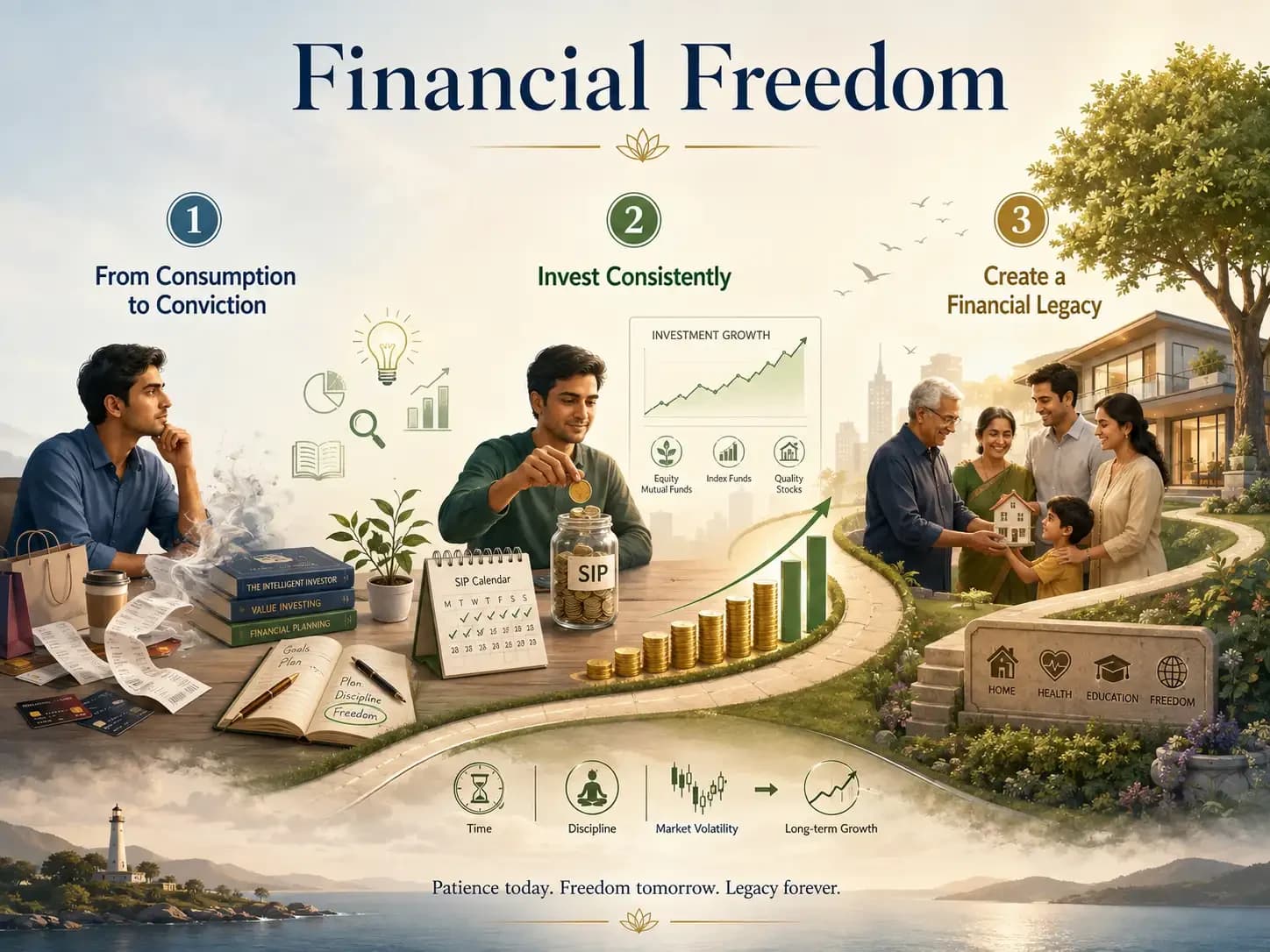
According to The Economic Times, the journey extends beyond accumulating wealth to creating a lasting financial impact. The focus shifts from 'How much wealth can I accumulate?' to 'What do I want this wealth to achieve?' A financial legacy involves ensuring proper documentation and succession planning, maintaining diversified portfolios, and helping the next generation develop financial awareness. Successful investors often create fulfilling stories not through the largest portfolios but through what the wealth enables, such as children's education, family security, or charitable giving. The practical approach involves discussing money and financial values with family members and helping younger generations understand basic financial market concepts.
As noted by The Economic Times, wealth creation operates at a different pace than instant information and real-time market data. The author emphasizes that market corrections and volatility are inevitable, but the challenge lies in ensuring short-term market noise doesn't derail long-term financial plans. Successful investors understand that financial goals are measured in years rather than weeks, and some of the most valuable investment decisions involve doing nothing - staying invested, continuing contributions, and allowing compounding to work over time. This patience is essential for maintaining discipline during difficult market periods and avoiding emotional decision-making that can derail long-term wealth building strategies.