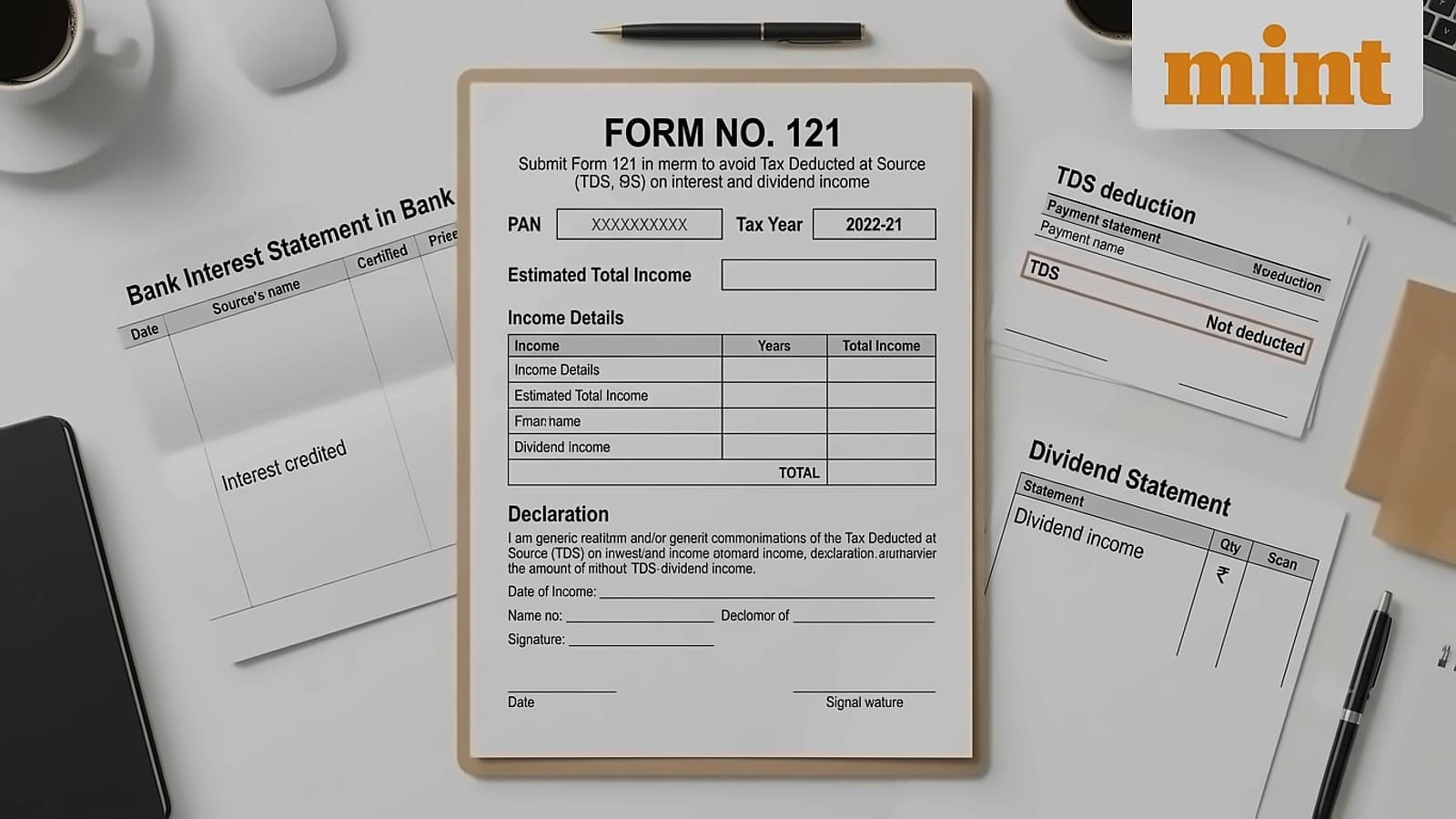


According to reports from Mint, banks deduct 10% TDS on interest income from fixed deposits when it exceeds ₹50,000 annually for regular citizens and ₹1 lakh for senior citizens. To avoid this deduction, customers must submit Form 121, which specifies that tax on estimated total income will be nil. The exemption limits vary significantly: up to ₹12 lakh for senior citizens (above 60 years) and up to ₹4 lakh for other citizens below 60 years who are residents of India.
As reported by Mint, Form 121 must be submitted at the start of every financial year (April 1) to avoid TDS on existing fixed deposits. For new deposits made during the financial year, a separate Form 121 must be submitted. The form can be submitted online via net banking, mobile app, or offline at bank branches. Importantly, Form 121 is not applicable to NRIs, and TDS is not applicable for interest earned on NRE deposits. For depositors with multiple banks, Form 121 must be submitted separately to each bank with fixed deposits.
According to Mint, banks deduct TDS at the time of interest crediting or accrual, whichever happens earlier. In the absence of PAN, TDS is deducted at 20% rate, and even with Form 121 submission, the form becomes invalid. The bank issues TDS certificates quarterly, detailing fixed deposit information, interest amounts, and TDS deducted. Any previously deducted TDS cannot be claimed from the bank, but it can be claimed as a refund at the time of filing Income Tax Return.
As reported by Mint, while Form 121 prevents TDS deduction, interest income still needs to be declared in Income Tax Return under 'Income from Other Sources'. The bank will not deduct TDS on interest income, but the income tax refund will be calculated based on the individual's tax slab and rate. If taxable income exceeds exemption limits, income tax amount payable will be calculated on applicable tax slabs. Refunds for excess TDS paid will be credited to savings bank accounts once ITR is processed.