Form No. 121 is a declaration that enables eligible taxpayers to prevent tax deducted at source (TDS) on specified incomes when their estimated tax liability is nil. According to reports from Mint, this new form replaces the earlier Forms 15G and 15H and brings both declarations into a single format under the Income-tax Act, 2025. The form serves as a declaration through which an eligible taxpayer informs the payer that their estimated total income for the relevant tax year will not result in any tax liability, preventing TDS deduction and reducing the need to claim refunds later.
For individuals below 60 years and other eligible taxpayers such as HUFs and trusts, two conditions must be met: the tax payable on estimated total income for the Tax Year must be nil, and the specified income on which TDS would otherwise apply must not exceed the maximum amount that is not chargeable to tax. As reported by Mint, for senior citizens aged 60 years or above, the key condition is that the tax payable on their estimated total income must be nil. The payee/deductee is the person receiving the income and submitting Form 121, while the payer or dedctor is the person or entity making the payment and responsible for TDS deduction.
According to Mint reports, the declaration can apply to specified payments including interest from banks, cooperative banks and post offices, interest on securities, rent, insurance commission, dividends, income from mutual fund units, certain life insurance policy payments including bonuses, and payments of accumulated balances from recognised provident funds. The form covers various income streams that typically attract TDS, allowing taxpayers to avoid unnecessary deductions when their total income falls below taxable thresholds.
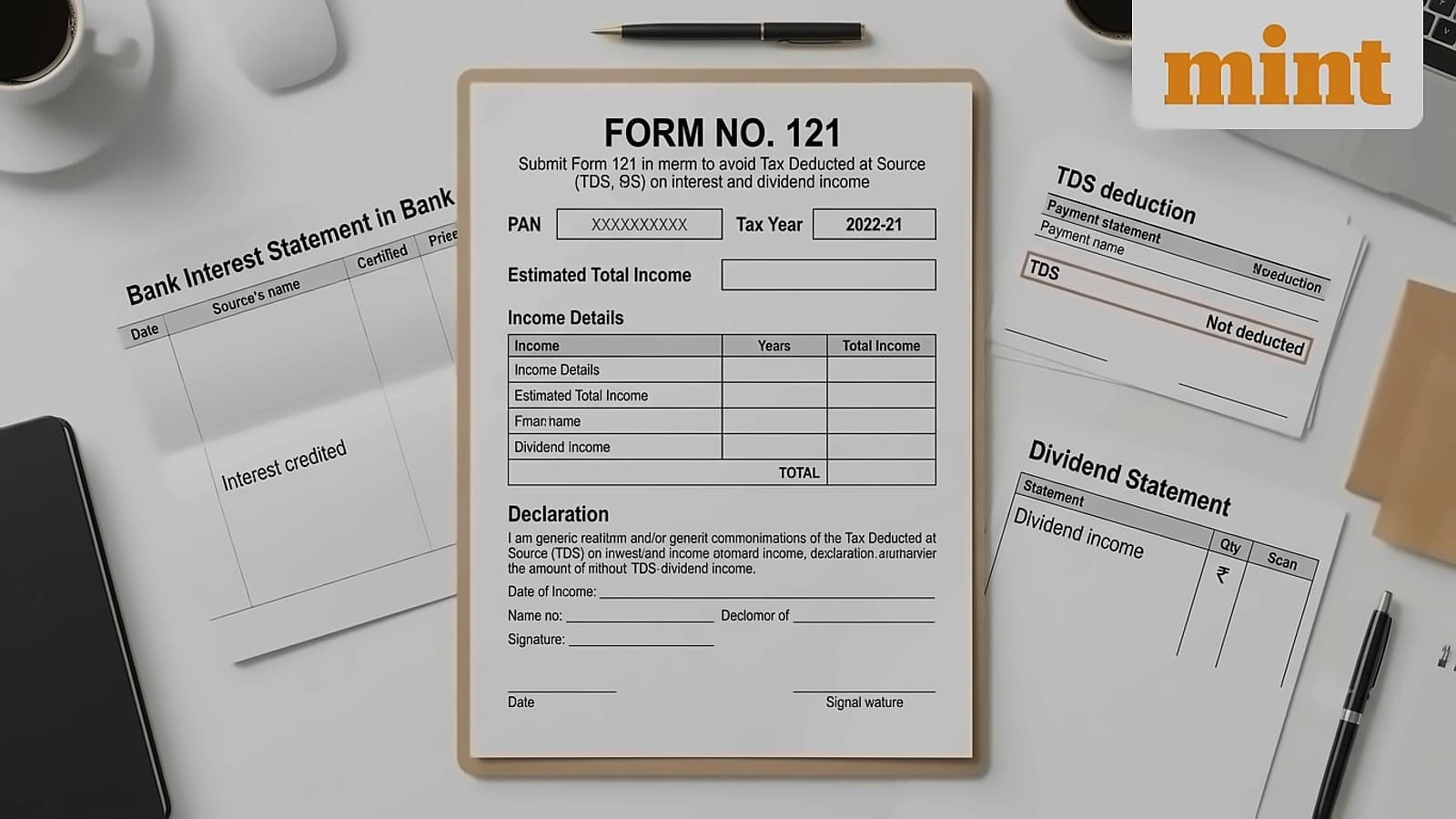
As reported by Mint, taxpayers must provide certain basic information while furnishing the declaration, including their valid and operative PAN, details of relevant income and investments, proof of age where claiming eligibility as a senior citizen, and the payer's TAN. The form should ideally be submitted before the income is credited or paid, with submitting it early in the Tax Year helping ensure that TDS is not deducted in the first place. The declaration can be submitted electronically through the portal provided by the payer or in physical form, as applicable.
According to Mint reports, the payer must verify the declaration and assign a Unique Identification Number (UIN) to it, then report the declaration through the income tax e-filing portal. The declaration is required to be submitted separately to each payer, meaning a taxpayer cannot submit one Form 121 and expect it to automatically cover all payers. This ensures proper tracking and verification of the taxpayer's nil tax liability status across different income sources and payers.