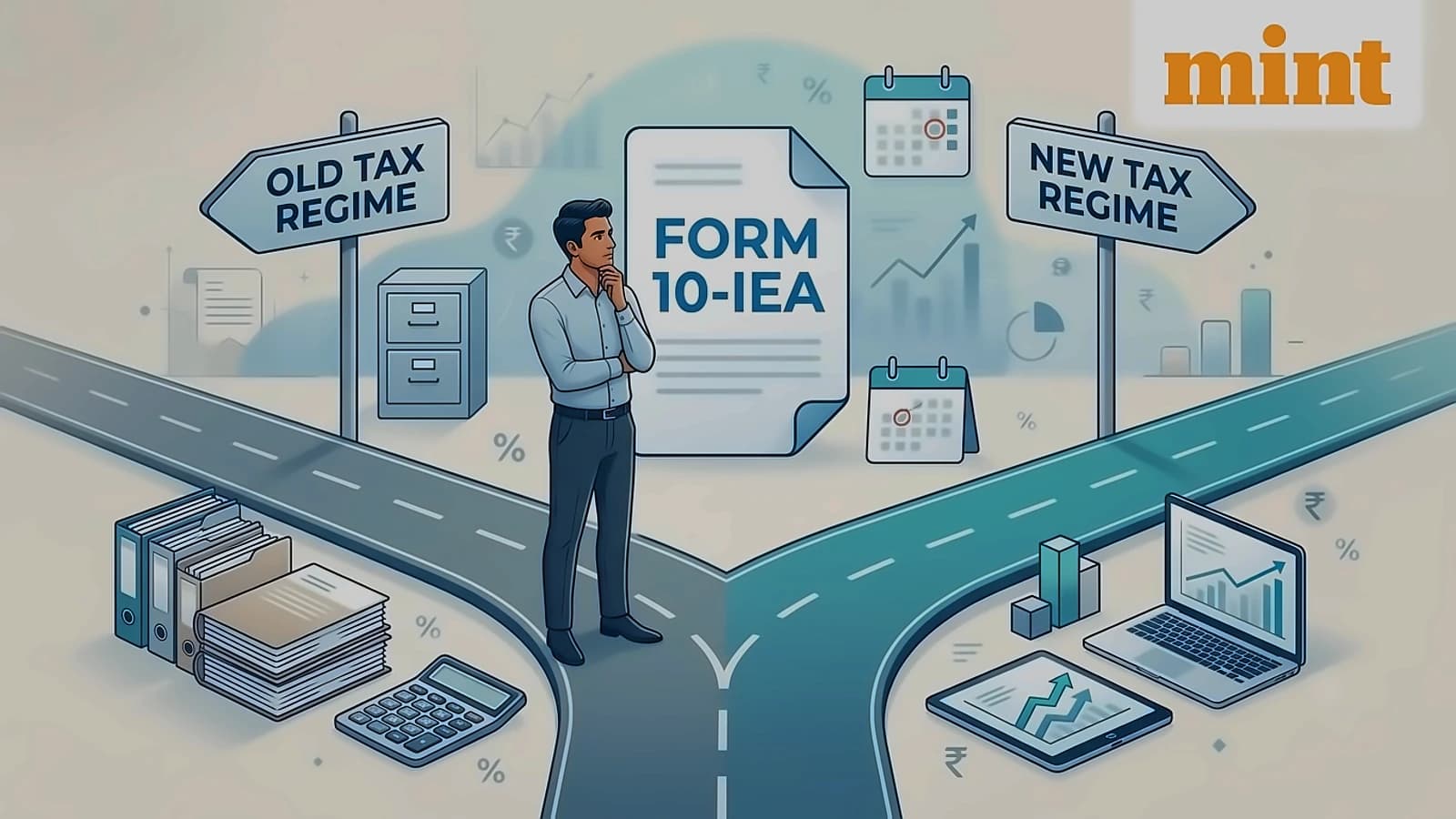
For individuals with business or professional income, selecting the old tax regime is not sufficient to avoid the default new regime. According to reports from Mint, taxpayers must also furnish Form 10-IEA within the prescribed time to exercise the option validly. The form is equally important when a taxpayer wants to return to the new regime after previously opting for the old regime. A failure to follow the prescribed process can result in the department not accepting the intended regime selection. As Mint reports, the income tax regime chosen, the nature of the income and, crucially, compliance with the prescribed procedure can all affect the final outcome - simply having income below ₹12 lakh does not automatically mean no tax will be payable or that the taxpayer cannot receive a tax demand.
The filing process for Form 10-IEA for FY 2024-25 (AY 2025-26) must be completed on or before September 15, 2025 for most individuals and HUFs not subject to audit. For businesses subject to audit, the deadline is October 31, 2025. The entire process is conducted electronically through the Income Tax Department's e-filing portal at incometax.gov.in. Taxpayers must select the assessment year, confirm they have income under 'Profits and Gains of Business or Profession', and choose the applicable due date for filing their return. After successful submission and e-verification, a success message is displayed.
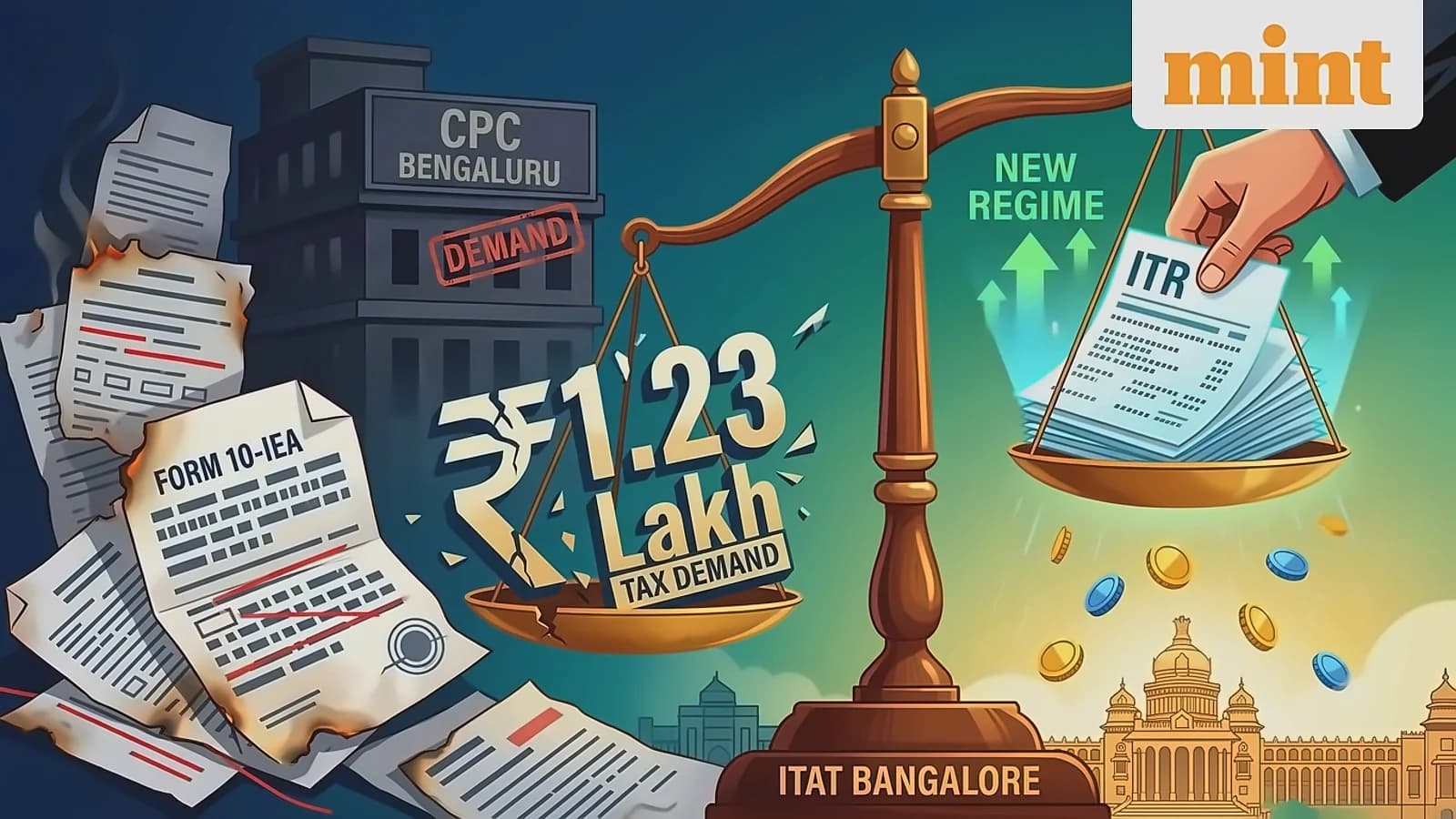
A client case illustrates the critical importance of Form 10-IEA compliance. As reported by Mint, the taxpayer reported total income of ₹11,75,590, below the ₹12 lakh threshold and filed the return within the applicable due date with no apparent arithmetic errors. However, the taxpayer had selected the old tax regime but had not furnished Form 10-IEA, resulting in a tax demand of ₹182,740 under Section 143(1). The intimation came before the 31 August deadline, allowing rectification through furnishing the required form. Without this timely compliance, the taxpayer could have been left with the tax demand. Mint notes that a seemingly minor compliance lapse can otherwise turn an apparently tax-free income into an unexpected tax demand.
The new tax regime serves as the default regime for all taxpayers, making it the automatic choice for most individuals. According to Mint reports, for taxpayers earning only salary, interest or other non-business income, switching between the old and new regimes is relatively flexible. They can generally choose their preferred regime each year while filing their return, with a simple tick in the appropriate box usually sufficient. However, business or professional income taxpayers face different rules - they cannot move freely between the two regimes year after year, and once they opt for the old regime, they get only one opportunity to switch back to the new regime as long as they continue to have business or professional income. As Mint explains, for taxpayers with business or professional income, selecting a tax regime requires careful planning—not just for immediate tax savings but also for future flexibility.