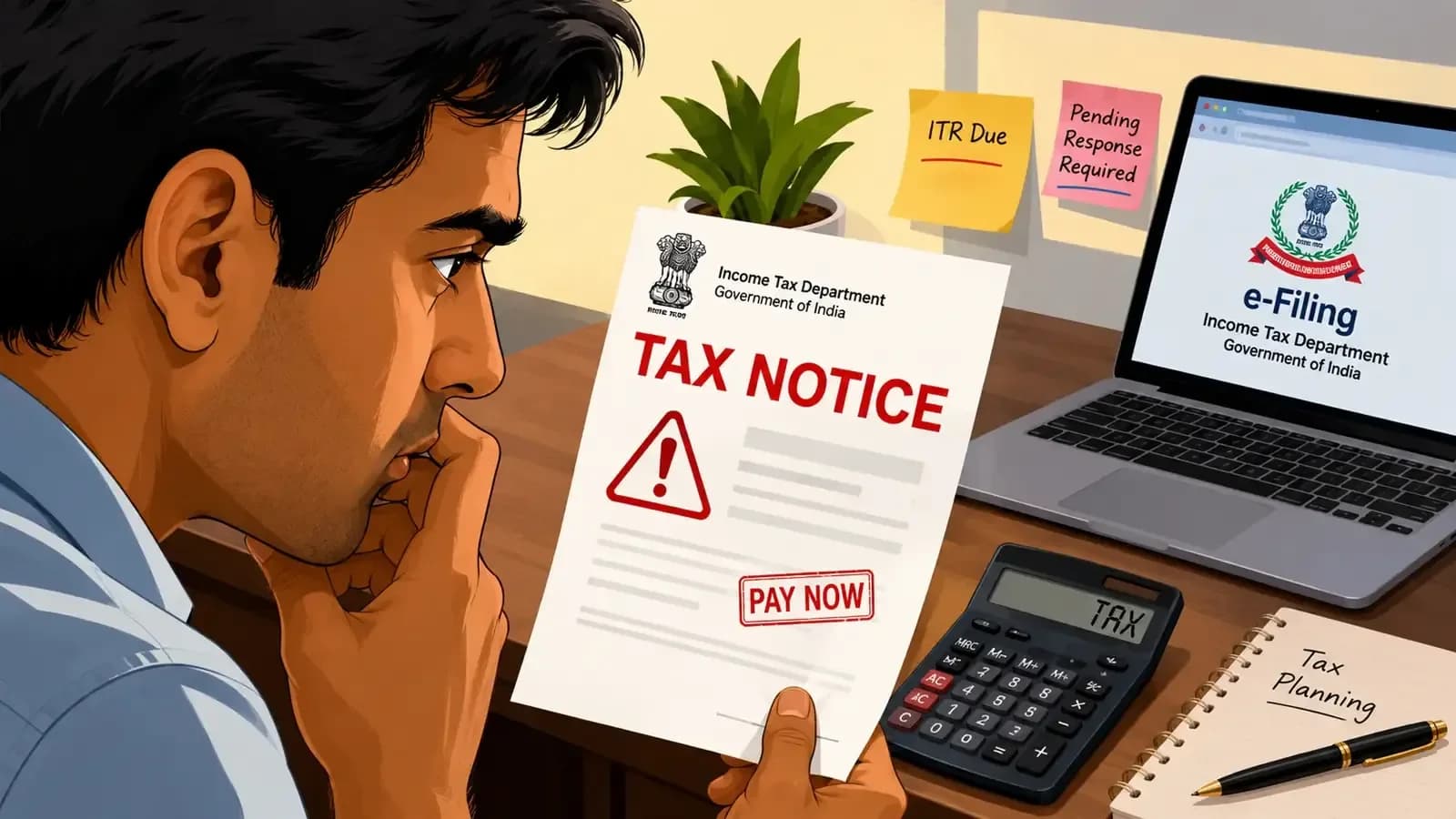
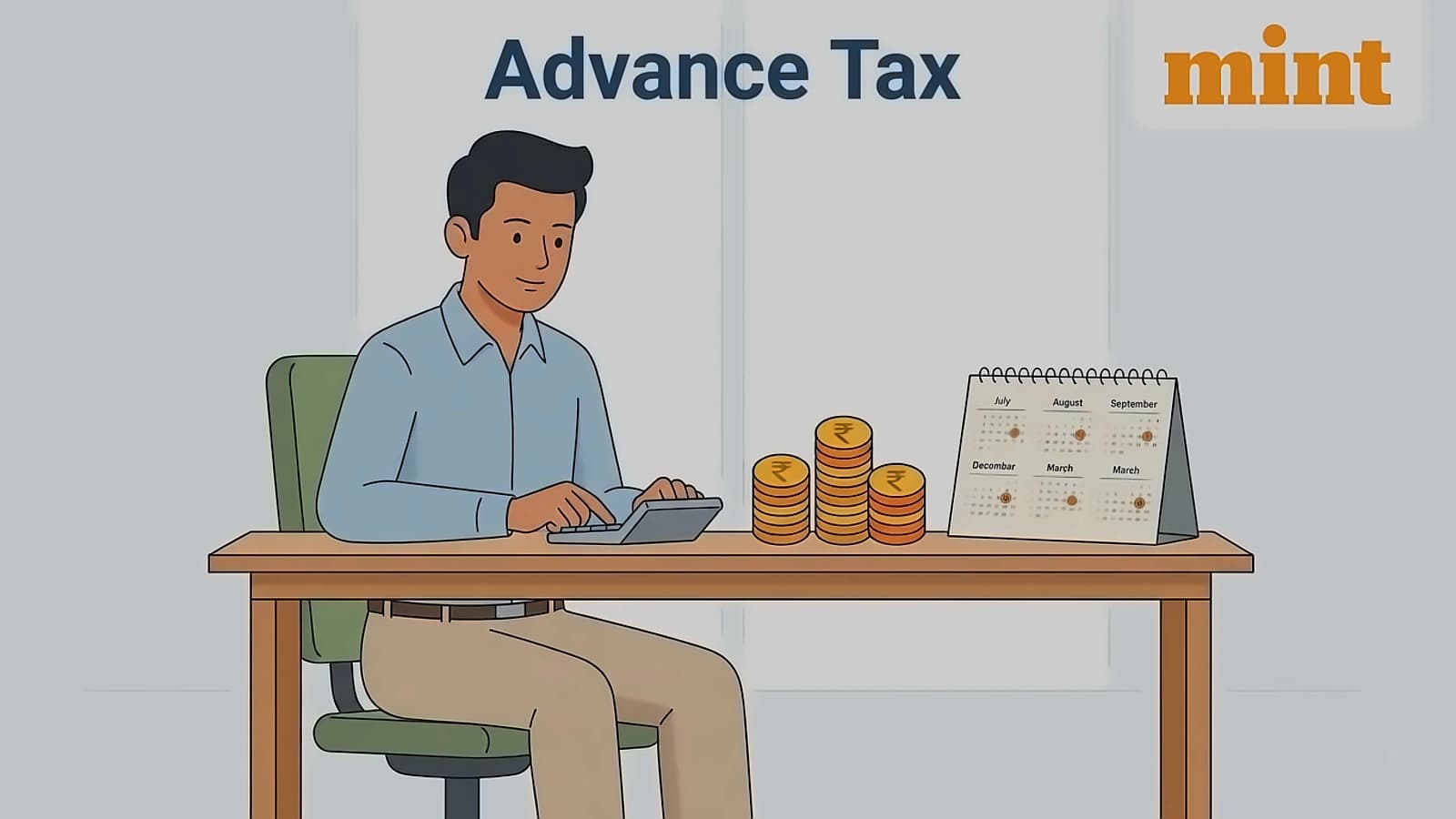


Taxpayers receiving notices for additional tax payments under Sections 234B and 234C should first verify their actual advance tax liability status. According to reports from Upstox, the advance tax payment structure requires four instalments in specific ratios: 15% on June 15, 30% on September 15, 30% on December 15, and 25% on March 15 of each financial year. Shortfalls in any instalment must be compensated in subsequent payments.
Under Section 234B of the Income Tax Act, 1961, applicable till financial year 2025-2026, taxpayers pay 1% interest per month from April 1st of the following year until tax payment date. As reported by Upstox, this interest is not applicable when advance tax paid is not less than 90% of total tax liability. For cases where shortfall is 10% or lower of overall tax liability, interest under Section 234B cannot be levied.
Section 234C covers interest for deferment of advance tax during the year it's payable. According to Upstox reports, when taxpayers fail to pay advance tax for even one day, interest at 1% for three months is levied on the instalment amount or shortfall. This provision applies regardless of the overall advance tax liability amount.
Taxpayers who believe the interest calculation under Sections 234B and 234C is erroneous can file an application under Section 154 for rectification of mistake apparent from the records. As reported by Upstox, this applies when the shortfall for advance tax payment does not exceed 10% of overall tax liability (making Section 234B interest inapplicable) and when the overall advance tax liability is lower than ₹10,000 or respective instalments have been correctly paid.
Recent Gujarat High Court ruling in Advance Realty Developers vs National E-Assessment Centre Delhi highlights critical procedural violations in tax assessment. The court quashed an assessment order dated 27.03.2021 that was framed after only one day's compliance period was provided to the petitioner. The court emphasized that Section 144B requires reasonable opportunity for assessees when variations prejudicial to their interest are proposed, with minimum reasonable time being 15 days even when no specific period is stipulated. The ruling establishes that assessment orders made in violation of procedural requirements are non-est under the Income Tax Act.