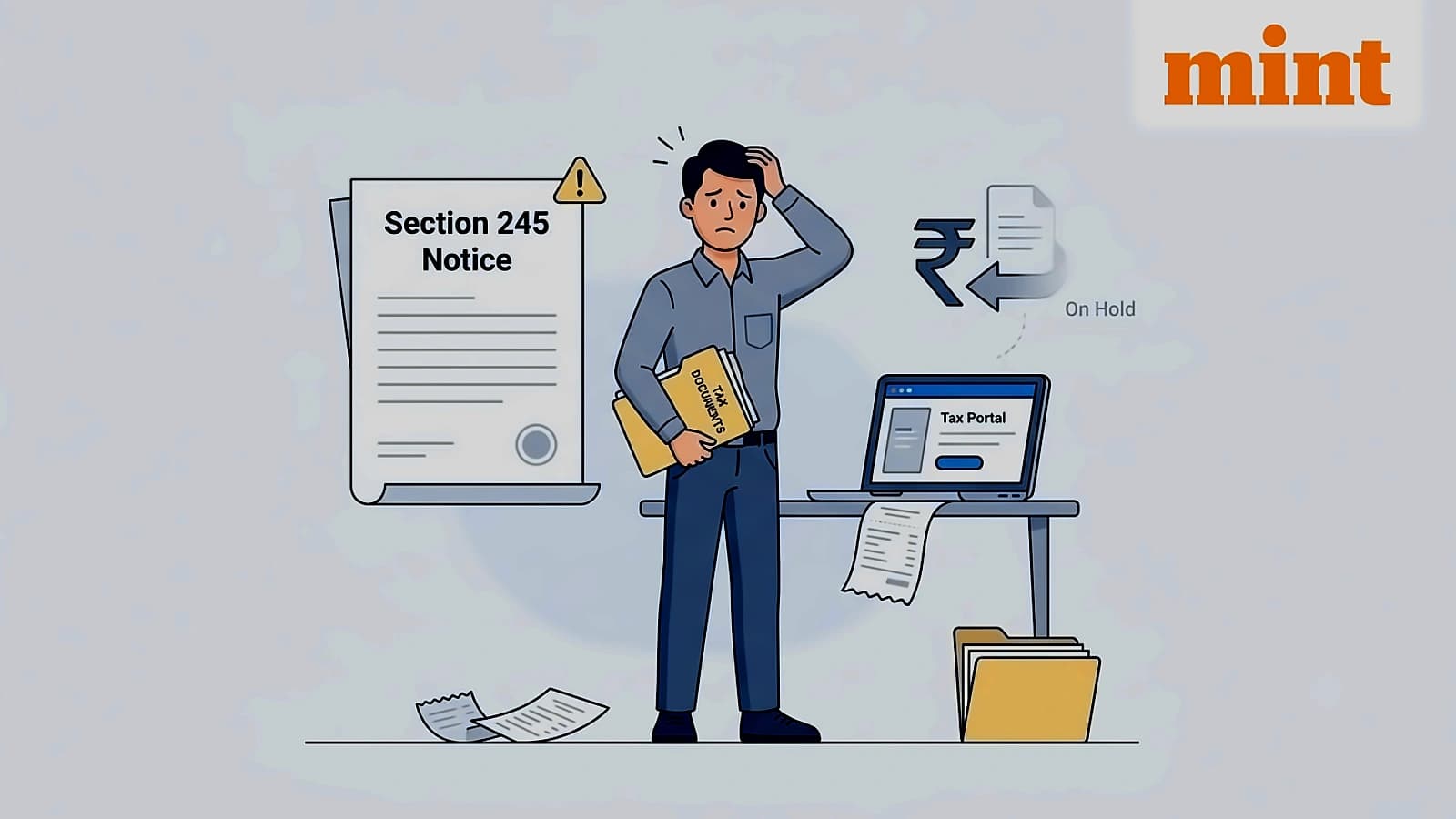
Once the processing of an individual taxpayer's tax return is complete, the Income Tax Department generally sends an intimation under Section 143(1) of the Income Tax Act, 1961. According to reports from Mint, this is a routine procedure that serves as an intimation that no further action is required for most taxpayers. The notice can also provide details about issued refunds. However, in specific cases, this notice might contain details on 'additional tax demands' that a taxpayer may be required to meet to ensure compliance.
Taxpayers must respond to Section 143(1) intimation notices within 30 days to avoid being treated as an 'assessee in default' under the Income Tax Act, 1961. As explained by Khaitan & Co Partner Amit Ganatra, if the tax demand determined in the intimation is correct, the taxpayer is ordinarily required to pay within 30 days (or a lesser period if prescribed) from the date of service of the intimation order. Failure to pay within this stipulated period results in simple interest at the rate of 1% for every month under Section 220(2) of the Income-tax Act, 1961. According to Chartered Accountant Suresh Surana, when a demand raised following a notice of demand under Section 156 remains unpaid beyond the prescribed 30-day period, the taxpayer may be treated as an assessee in default in accordance with Section 220(4) of the Income-tax Act, 1961. The latest reports from GoCredit emphasize that silence is treated as agreement or default, making it crucial for taxpayers to respond even if they disagree with the demand.
As reported by Mint, any 'tax demand' under Section 143(1) does not automatically mean that the return filed was 'incorrect'. Such issues generally arise when the tax department finds mismatches in income reported, serious discrepancies, and lack of clarity related to tax credits claimed. The department may also identify mistakes during tax calculations during processing or deductions. The automated preliminary review checks for math errors, matches tax credits with government records, and produces an intimation showing no change, a refund or a tax demand.
According to Khaitan & Co Partner Amit Ganatra, taxpayers should promptly examine the reasons for the tax demand and avail appropriate statutory remedies. Available options include filing a revised return (wherever appropriate and if the timeline available), filing an online rectification request on the e-filing portal, physically filing a rectification application before the jurisdictional assessing officer, and/or filing an appeal before the Commissioner of Income-tax (Appeals). For incorrect demands, taxpayers can submit online responses with relevant explanations and supporting details. For refund or tax credit mismatches, taxpayers should verify Form 26AS, AIS and TDS details before responding. As noted by Surana, unless the taxpayer obtains a stay of demand or the demand is rectified by the tax department, the outstanding demand continues to be payable. The latest guidance from GoCredit advises that if taxpayers agree with the demand, they should pay the tax using Challan 280 immediately and submit their response confirming payment on the portal. For disagreements, taxpayers should file a rectification request under Section 154 or raise a grievance online.