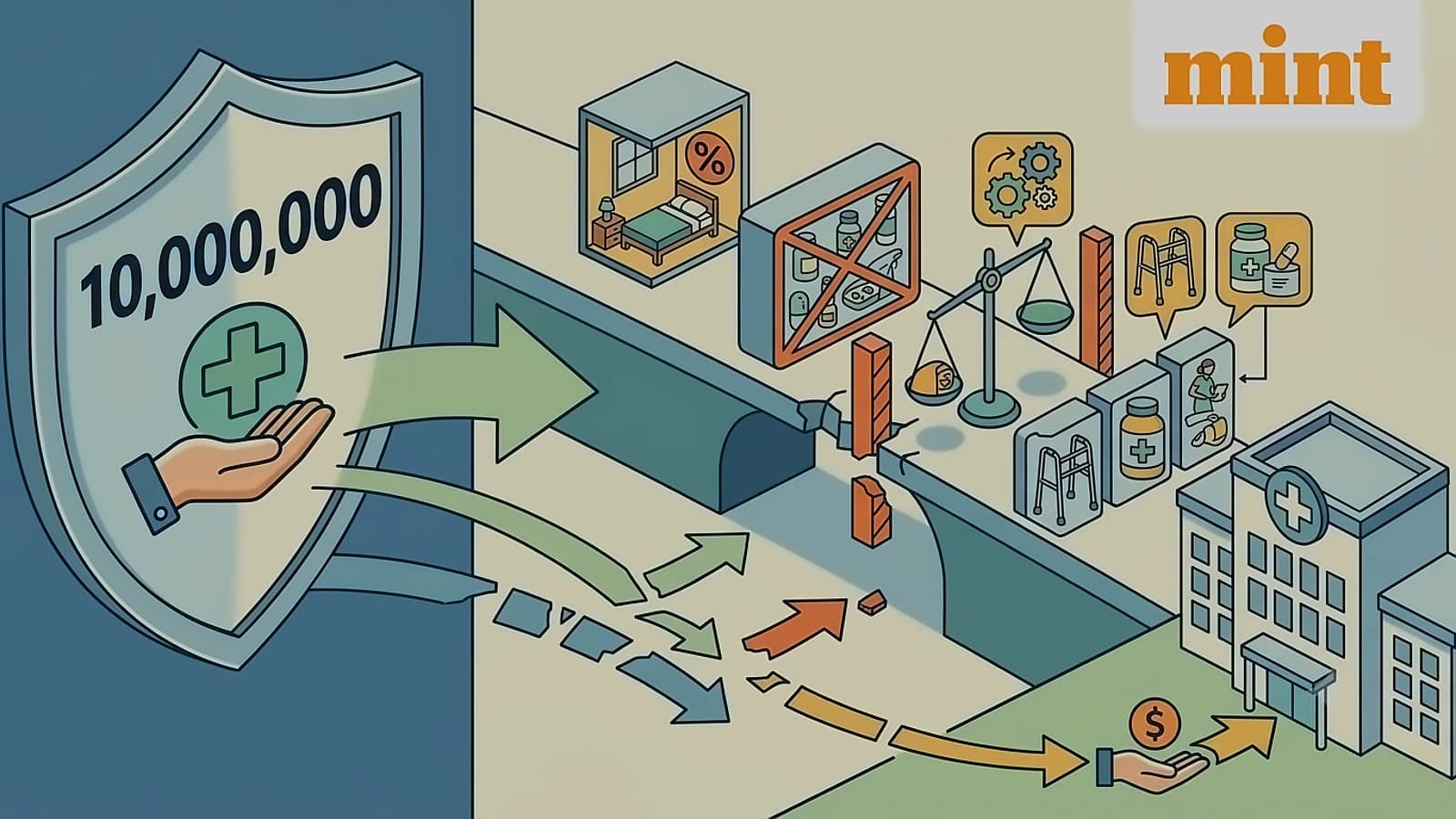
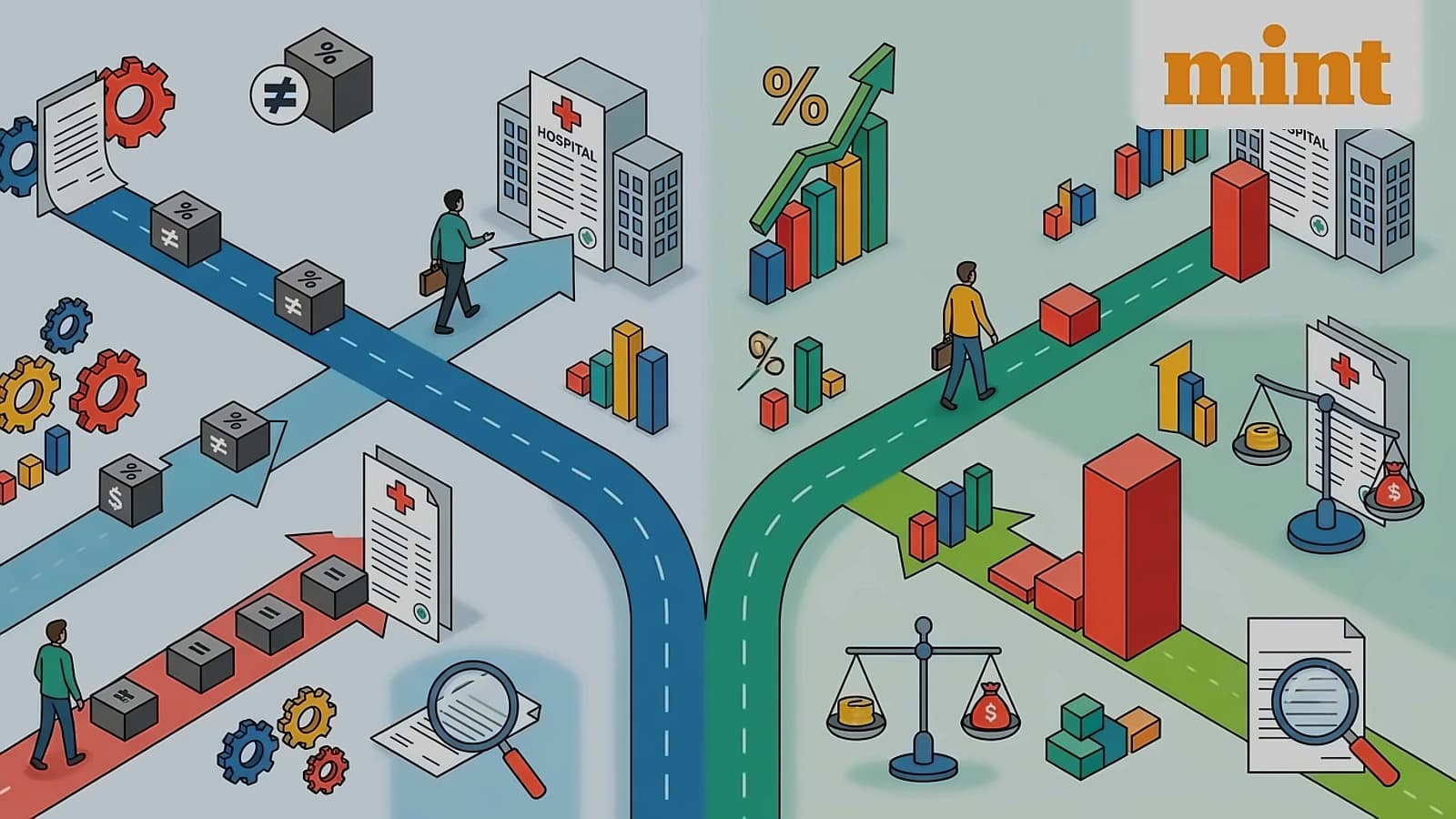
Healthcare affordability in the United States has reached a critical milestone, with fewer than half of U.S. adults (49%) now considered 'Cost Secure' - meaning they can consistently afford needed healthcare and prescription medications, according to the latest West Health-Gallup Healthcare Affordability Index. This represents the lowest affordability rate since 2021, with declines occurring across nearly all demographic groups in 2025. The crisis is particularly acute among young adults, older adults, women, and individuals with chronic or mental health conditions, who experienced the largest decreases in affordability. This affordability crisis comes as national health expenditures are projected to grow from $5.3 trillion in 2024 to nearly $9 trillion by 2034, accounting for 20.6% of the U.S. economy, according to a new CMS analysis.
Senior citizens can benefit significantly from opting for deductibles in their health insurance policies, according to reports from Business Standard. A deductible is the amount you agree to pay out of pocket before the insurer starts covering the remaining treatment costs. This approach can be particularly useful for relatively minor hospitalisations, where paying the initial expenses yourself may be more economical than filing a claim. The strategy helps preserve your no-claim bonus (NCB), which can increase your sum insured over time or fetch premium-related benefits, depending on the policy. Additionally, deductible expenses can provide tax benefits for senior citizens, as they qualify as medical expenses for itemized deductions on Schedule A, provided they exceed 7.5% of the taxpayer's adjusted gross income. The Consolidated Appropriations Act of 2021 permanently lowered this threshold from 10% to 7.5%, making it more accessible for taxpayers with substantial medical expenses.
Policies with deductibles generally come with lower premiums than comparable plans without one, as reported by Business Standard. By absorbing smaller medical expenses yourself, you can reserve insurance coverage for major hospitalisation costs while also limiting the impact of frequent claims on future premium revisions. This cost-effective approach makes health insurance more efficient for meeting large medical expenses, especially important for senior citizens who typically require more extensive medical care. The premium savings can be particularly significant for those who frequently visit doctors, require prescription medications, or have ongoing health conditions that generate regular medical expenses. Recent market developments show a bipartisan bill introduced in Congress would require employer-sponsored health plans to cover up to six primary care visits per year without cost-sharing, which could improve access to preventive care and strengthen patient-provider relationships.
Before opting for a deductible, senior citizens should ensure they have sufficient liquid savings to comfortably meet the deductible amount whenever hospitalisation is required, according to Business Standard. The deductible should be set at a level that is affordable without putting undue pressure on finances. Additionally, taxpayers with deductible health insurance policies may qualify for medical expense deductions on their federal income tax returns. To qualify, expenses must exceed 7.5% of the taxpayer's adjusted gross income, and only those who itemize deductions are eligible to claim medical expenses on Schedule A. For 2026, the standard deduction limits are $16,100 for singles, $32,200 for married filing jointly, and $24,150 for head of household. Taxpayers with group health insurance coverage are generally not allowed to deduct medical expenses, making individual policies with deductibles more attractive for tax optimization.