A ₹10 lakh health insurance policy does not always mean the insurer will pay ₹10 lakh of a hospital bill, according to reports from Mint. Room-rent caps, disease-specific sub-limits, co-payments, deductibles, and non-medical expenses can all reduce the final claim payout. As reported by Mint, consumers often focus on the premium and sum insured while overlooking these conditions, resulting in valid claims leaving policyholders paying substantial amounts from their own pockets.
Room-rent restrictions are among the key clauses consumers should examine before purchasing a policy, as reported by Mint. Vineet Gupta, Head – Product Development at ManipalCigna Health Insurance, emphasized that room-rent limits can influence overall claim amounts and should be checked before purchasing. The latest reports from The Times of India demonstrate how ₹5,000 room-rent caps can significantly impact hospitalization costs. For example, if a policy allows ₹5,000 per day room rent and a patient stays in a ₹8,000 per day room for four days, the total room bill of ₹32,000 may result in insurer coverage of only ₹20,000, leaving the policyholder to pay ₹12,000 from their own pocket. These restrictions can significantly affect the final hospital bill amount.
In some health insurance policies, choosing a room above the permitted limit can result in proportionate deduction clauses that affect other hospital expenses, as explained by The Times of India. For instance, if a policy allows ₹5,000 room rent but the patient chooses ₹8,000, the eligible room rent becomes 62.5% of the actual amount. If ₹1.20 lakh of the hospital bill consists of expenses subject to proportionate deduction, applying the same 62.5% ratio could result in insurer payment of around ₹75,000 towards these charges, with the remaining ₹45,000 payable by the policyholder. Adding the ₹12,000 difference in room rent, the total additional expense could reach approximately ₹57,000. Not all policies apply proportionate deductions, with some restricting room rent amounts without reducing other hospital expenses, while newer plans may not have room-rent caps at all.
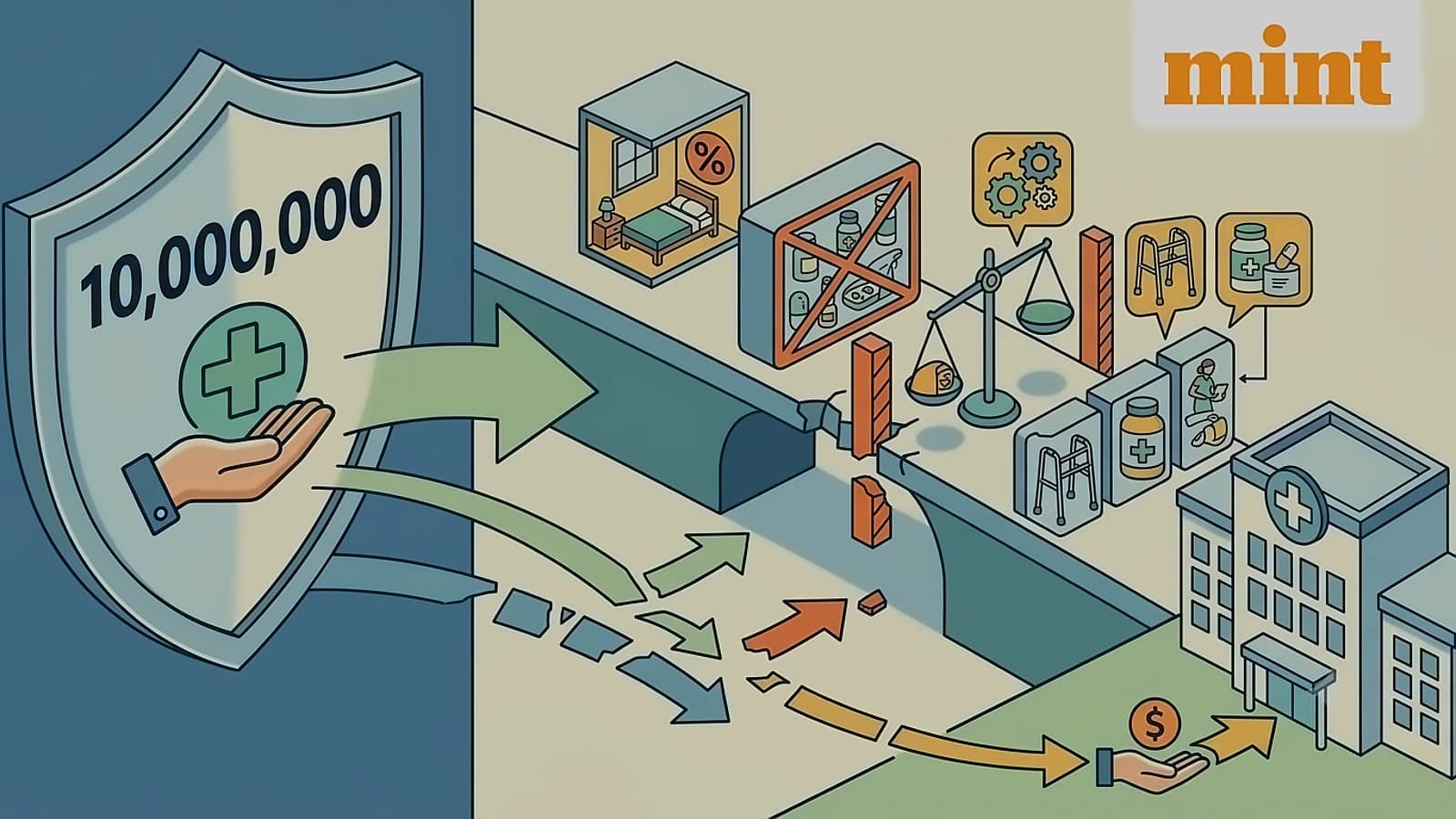
Disease-specific and treatment sub-limits can create significant coverage gaps, as explained by Mint. Bikash Choudhary, CEO of FatakSecure, provided examples where a ₹5.5 lakh robotic knee replacement with a ₹10 lakh sum insured may not result in full coverage due to a ₹2 lakh cap on the relevant modern treatment. Similarly, cataract treatment can have specified limits, with Choudhary citing an example where a ₹40,000 policy limit applies to a ₹85,000 procedure, leaving the policyholder to pay the ₹45,000 difference. According to Sachin Joshi, President - Claims, Operations & Customer Service at Liberty General Insurance, sub-limits or exhaustion of sum insured can restrict further payments even when the overall sum insured is much higher.
Hospital bills may contain several expenses that do not qualify for reimbursement under health insurance policies, as reported by Mint. These can include consumables and non-medical items depending on policy terms. Gupta noted that such expenses may not be covered unless specifically provided for in the policy. Choudhary highlighted that items such as walkers, braces, home nursing, attendant charges, and certain supplements may be excluded unless explicitly covered. This means policyholders may still have to pay components of final bills even after insurer approval of hospitalisation claims, with additional costs potentially reaching ₹57,000 or more when proportionate deduction clauses are applied.