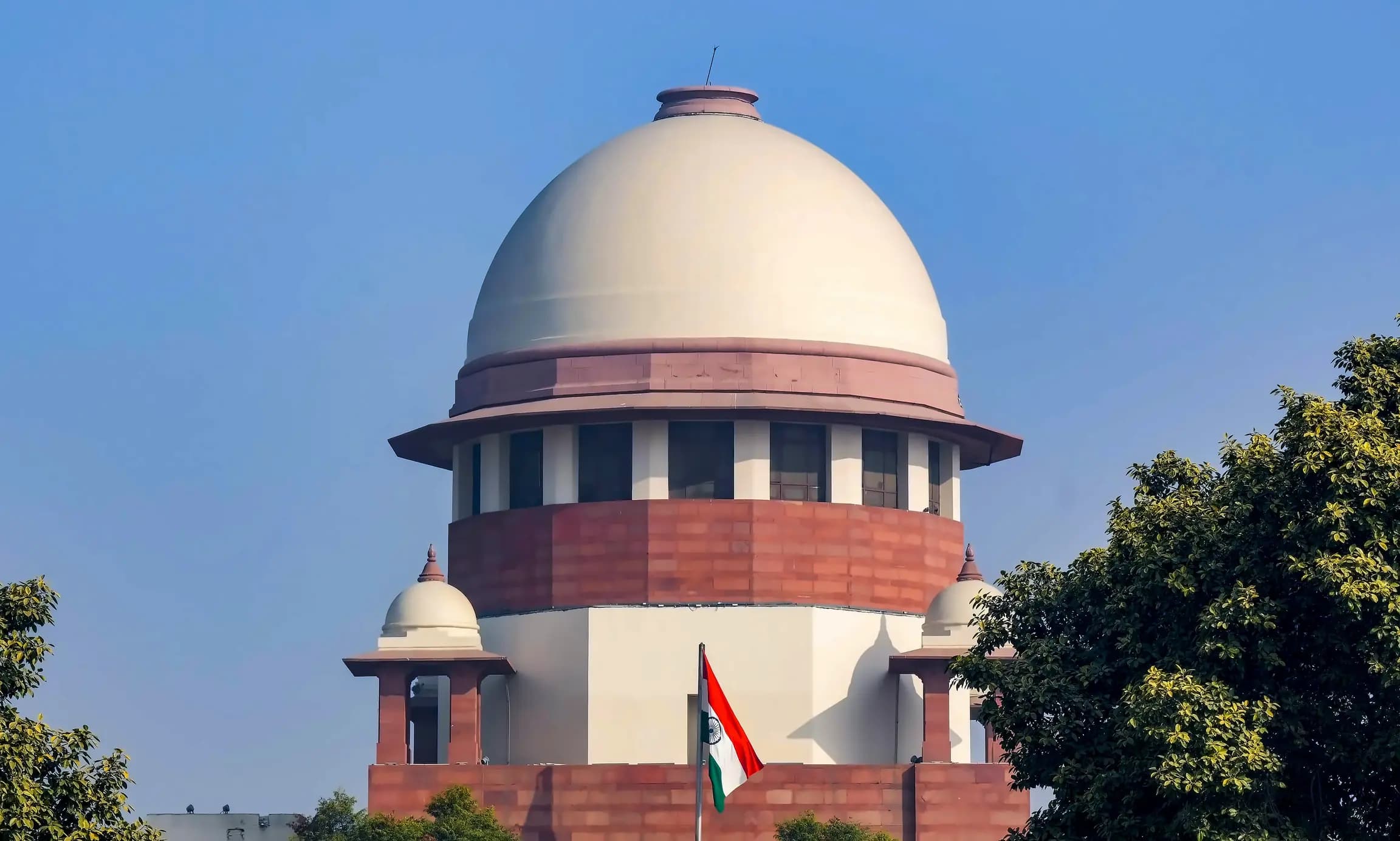
The Supreme Court has strengthened pension rights of thousands of temporary-status government employees by ruling that they cannot be denied retirement benefits because their services were not formally regularised. According to reports from Business Standard, the judgement came in Bhikhani Devi & Others v. Union of India, a case involving temporary-status employees of the Department of Posts who had worked for decades but retired without receiving pension because they were never 'regularised'. The court held that where employees have fulfilled the conditions prescribed under the applicable service rules, administrative inaction or the absence of a formal regularisation order cannot be used to deny pension. This ruling reinforces that pension is not a discretionary benefit but a vested right protected under Article 300A of the Constitution, as emphasized by legal experts.
The court has directed authorities to calculate and release pensionary benefits within three months, failing which interest at 6 per cent per annum would be payable on delayed payments. As reported by Business Standard, this ruling could open the door to pension and other retirement benefits for many retired government employees and their families. Legal experts emphasize that the judgement shifts the focus from paperwork to actual service rendered, ensuring departments cannot rely on their own failure to regularise employees as a reason to reject pension claims. The ruling sends a strong message that where government employees have earned pension under applicable legal framework through years of qualifying service, procedural lapses or administrative delays cannot be used to take away that right.
According to legal experts cited by Business Standard, the ruling primarily benefits long-serving temporary-status casual labourers covered under recognised government schemes and governed by applicable statutory pension rules. Employees generally need to satisfy conditions including being officially granted temporary status under a recognised government scheme, completing prescribed continuous service after receiving temporary status, fulfilling minimum qualifying service requirements under applicable pension rules, and performing duties comparable to regular government employees. The judgement is particularly relevant for employees who acquired temporary status under recognised schemes, completed qualifying service periods, and were effectively working alongside regular employees performing similar duties.
As reported by Business Standard, eligible employees and families should first collect documents establishing the length and nature of service, including appointment letters, orders granting temporary status, salary records, attendance registers, service books, retirement orders and departmental correspondence. Legal experts advise submitting a formal representation to the concerned department seeking pensionary benefits while citing the Supreme Court judgement and applicable service rules. If claims are rejected or remain pending, employees can approach the Central Administrative Tribunal or appropriate judicial forum. The ruling establishes that mere deprivation of natural heirs may not amount to suspicious circumstances when executing a will, as long as there is no evidence of fraud or coercion.

According to legal experts quoted by Business Standard, the ruling reinforces that pension is not a discretionary benefit but a vested right protected under Article 300A of the Constitution. Aslam Ahmed from Singhania & Co. emphasized that the judgement interprets a specific statutory framework rather than creating a universal rule, while Tushar Kumar from the Supreme Court noted that substantive service rights cannot be defeated by administrative inaction. The ruling sends a strong message that where government employees have earned pension under applicable legal framework through years of qualifying service, procedural lapses or administrative delays cannot be used to take away that right. Legal precedents cited include Ram Piari v. Bhagwant and Ors. (1990) 3 SCC 364, which established that prudence requires reasons for denying inheritance benefits to natural heirs, and Ayaaubkhan Noorkhan Pathan v. State of Maharashtra (2013) 4 SCC 465, which clarified that affidavits cannot be considered sufficient evidence for court conclusions.