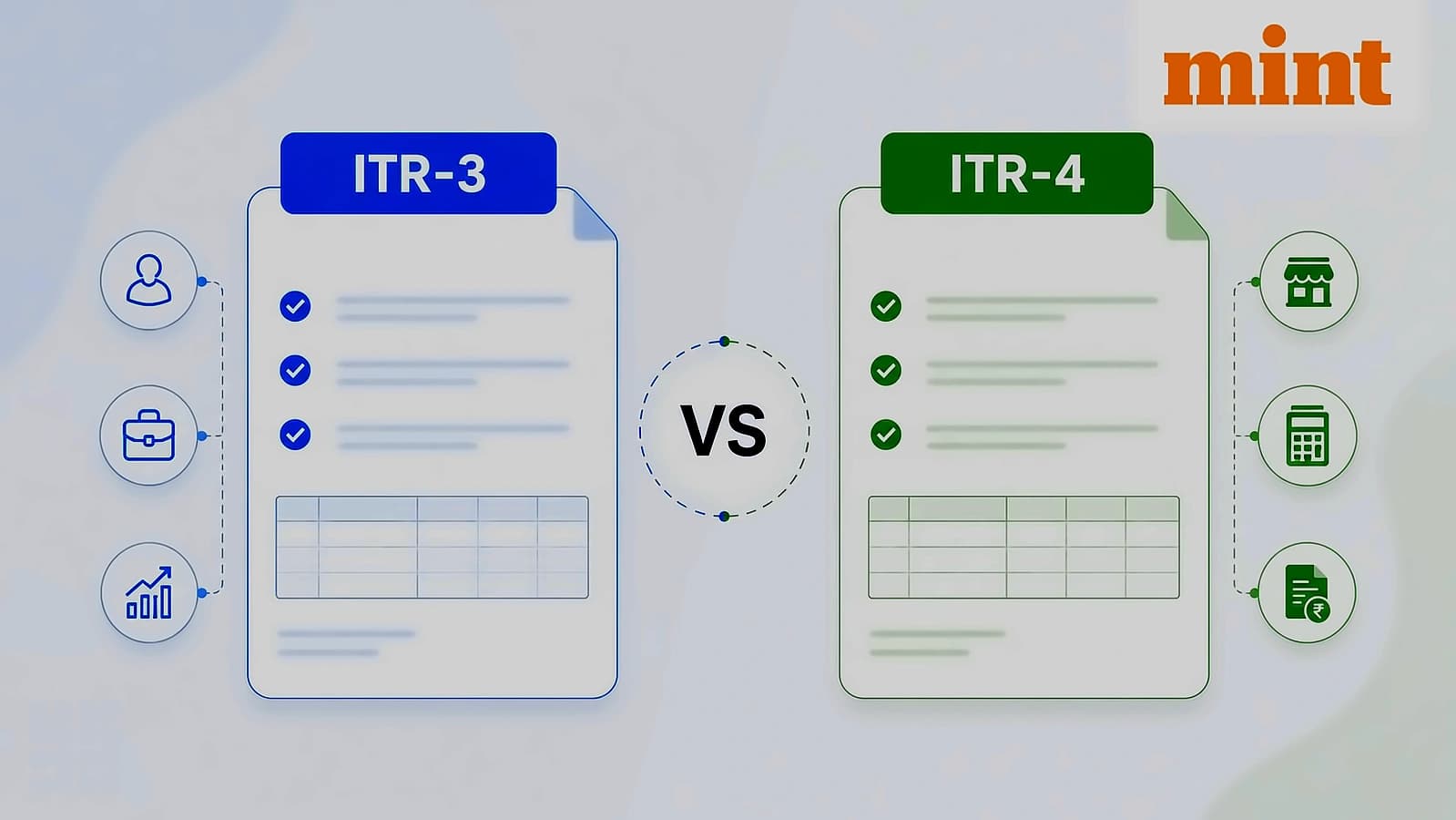
The Finance Act 2023 has significantly expanded the scope of presumptive taxation under Section 44ADA of the Income-tax Act, 1961, allowing eligible professionals to opt for presumptive taxation with gross receipts up to ₹75 lakh. According to the latest guidance, this enhanced limit applies specifically to professionals who receive cash receipts up to 5% of their total gross receipts during the financial year. For professionals whose cash receipts exceed 5% of total gross receipts, the ₹50 lakh threshold remains applicable. This represents a substantial increase from the previous limit, making presumptive taxation more accessible to a wider range of professionals.
Under the presumptive taxation scheme, 50% of gross receipts is deemed as taxable income, with professionals able to declare higher income if actual financial requirements justify it. As per the latest guidance, professionals cannot claim separate deductions for expenses under this scheme, as the presumptive income calculation already considers those expenses. The professional adds this presumptive income to other taxable income sources such as salary, rental income, or interest income to calculate total taxable income. After considering eligible deductions under Chapter VI-A, including Section 80C, 80D, and NPS-related deductions, tax is calculated according to applicable slab rates. This simplified approach eliminates the need for detailed expense tracking and complex accounting procedures.
Section 44ADA applies to resident individuals and resident partnership firms (excluding LLPs) engaged in specified professions listed under Section 44AA(1) of the Income-tax Act, 1961. Covered professions include legal, medical, engineering, architectural, accountancy, technical consultancy, film artists, and company secretaries. The scheme excludes companies, LLPs, non-residents, and professionals engaged in non-specified professions. Under the new tax regime for FY 2025-26 (AY 2026-27), resident individuals with total income up to ₹12 lakh pay no tax after the Section 87A rebate, with salaried taxpayers also getting a ₹75,000 standard deduction, raising the effective tax-free salary to about ₹12.75 lakh.
A salaried individual earning freelance professional income and opting for presumptive taxation may file ITR-4, provided there are no other disqualifying conditions. According to tax experts, these conditions include total income exceeding ₹50 lakh, short-term capital gains, long-term capital gains under section 112A exceeding ₹1.25 lakh, agricultural income exceeding ₹5,000, being a director in a company, having income from more than two house properties, holding unlisted equity shares, foreign income and assets, and other specified conditions. Under the new tax regime, filing is mandatory for anyone whose income exceeds the basic exemption limit, even when the rebate brings your tax to nil. The due date for most individuals and taxpayers not requiring audit is 31st July following the financial year, while for taxpayers whose accounts must be audited, it is 31st October.