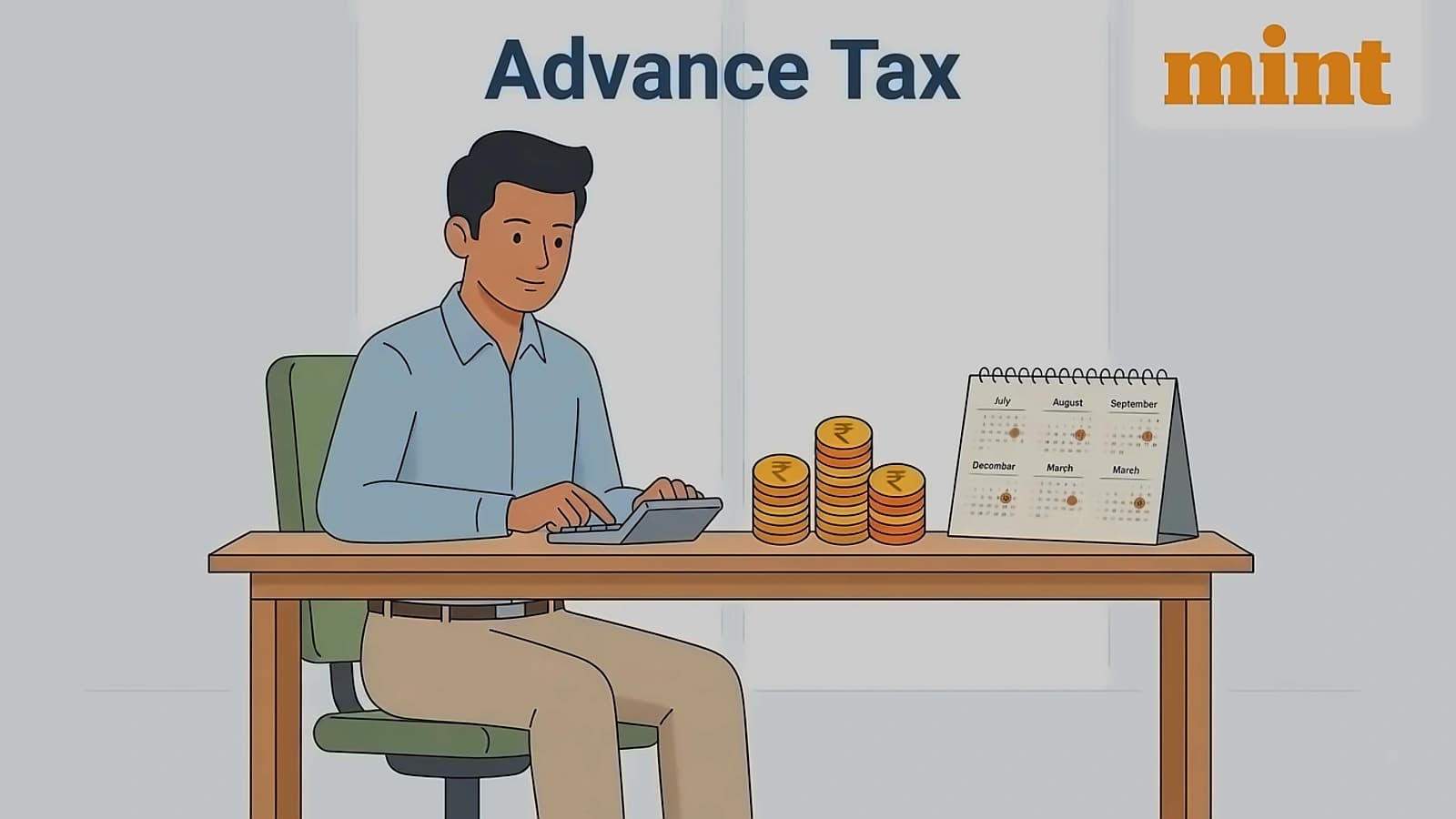
The new Income Tax Act 2025, which became applicable from 1 April 2025, has consolidated three separate presumptive taxation schemes from the 1961 Act into a single provision. According to the government, there have been no policy changes—only simplification of language and rationalization of the structure of provisions. The consolidated scheme applies from tax year 2026-27, for which income tax returns will be filed next year. The earlier Act had three separate schemes: one for small businesses (6% or 8% of turnover, with turnover limits of ₹2 crore/ ₹3 crore), one for low-income professionals (50% of gross receipts, with receipt limits of ₹50 lakh/ ₹75 lakh), and one for transport operators of commercial goods vehicles. All three have now been consolidated into a single section under the 2025 Act, with the erstwhile standalone sections now appearing as separate serial numbers in a table forming part of Section 58.
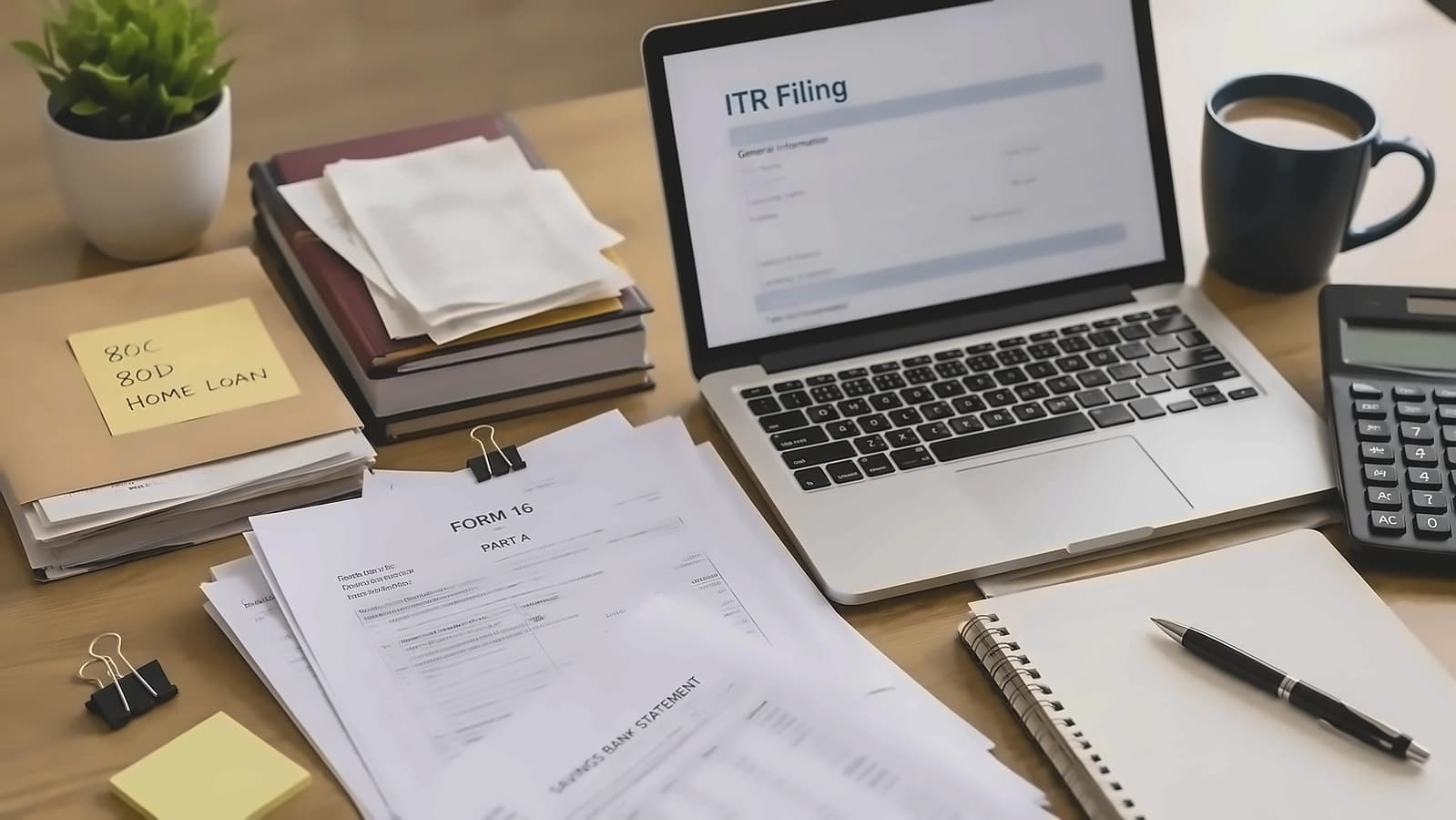
Tax experts emphasize that the presumptive taxation scheme is designed for specific taxpayer categories rather than being universally applicable. CA Chandni Anandan, Tax Expert at ClearTax, explains that "the scheme is designed to reduce compliance where income can reasonably be presumed from turnover, receipts or vehicle capacity." For taxpayers with relatively stable profit margins and limited accounting requirements, the scheme can significantly reduce compliance by eliminating the need to maintain detailed books of account. However, experts caution that convenience alone should not drive the decision, as taxpayers should compare their actual business expenses with the presumptive income they would be required to declare. According to Anandan, taxpayers should ensure that the income declared under the scheme matches their turnover, receipts and banking records, and use the correct income tax return form while retaining supporting documents.
Under the earlier law, there was confusion about whether taxpayers whose actual income exceeded presumptive income could still offer only presumptive income to tax. According to reports from Mint, there was a common misconception that taxpayers could simply offer the presumptive income to tax, but the language of the earlier provision indicated that the higher of the two amounts had to be offered to tax. The 2025 Act has made this explicit and unambiguous, with the computation table specifying both presumptive income and profit claimed to have actually been earned, and clearly providing that the higher of the two will be treated as taxable income.
The most significant change relates to the applicability of deductions under the new Act. As reported by Mint, under the 1961 Act, once presumptive income was taxed, all deductions under the head 'Profits and Gains of Business or Profession' were deemed to have been allowed, and no further deduction under those provisions such as depreciation could be claimed. However, the 2025 Act states that any loss, allowance or deduction under the provisions of the Act shall not be allowed against the presumptive income. This is broader than the earlier restriction, as it applies to all losses, allowances and deductions, not merely those relating to business income computation. While taxpayers can still opt for the new tax regime where deductions for investments and self-occupied house property losses are not available, other losses such as business losses, house property losses from interest on housing loans, and losses under 'Income from Other Sources' may no longer be set off against presumptive business income. The new law uses different language to suggest that taxpayers who merely fall within the presumptive taxation category, even without consciously opting for the scheme, can face audit exposure if their actual profit margins are lower than the deemed benchmarks.

The biggest trade-off in presumptive taxation lies in the limitation of separate expense claims by design. As explained by Anandan, "under presumptive taxation, taxpayers generally do not claim regular business expense deductions separately because income is already computed on a presumptive basis." For businesses with high operating expenses, the regular taxation method could therefore prove more beneficial. Under the presumptive taxation scheme, income is deemed to arise at a fixed percentage of turnover, and taxpayers cannot declare a business loss while remaining within the scheme. However, this does not mean all past losses become unusable, as a taxpayer can set off eligible brought-forward losses against presumptive profits, subject to conditions. Taxpayers who want to report lower profits or business losses would have to move to the regular taxation system, maintain books of account and comply with audit requirements wherever applicable.