The current exchange rate between the Indian rupee and US dollar shows significant volatility, with ₹95.45 per dollar representing the average over the last 7 days according to XE Currency Authority data. The rate has demonstrated 0.48% volatility in the recent period, moving between a high of ₹96.01 per dollar and a low of ₹94.95 per dollar. Over the longer term, the ₹95.61 per dollar average for the last 30 days shows 0.44% volatility, while the ₹94.29 per dollar average over 90 days indicates 0.43% volatility. This volatility creates both opportunities and risks for travelers, with the ₹96.01 high representing potential gains and the ₹94.95 low indicating potential losses for early dollar buyers. The current rate structure means ₹95,450 is required to purchase $1,000, with exchange rates fluctuating daily due to market movements and macroeconomic factors including interest rate differentials, inflation rates, and geopolitical stability.
Currency exchange involves converting one national currency into another through a system of rates, margins, and intermediaries. The interbank rate, also called the mid-market rate, serves as the baseline for currency trading among large financial institutions. However, retail customers never receive this rate - providers always include a margin, typically 1% to 5% above the mid-market rate, to earn revenue on transactions. The spread between buy and sell rates varies based on the provider, currency pair, and transaction volume, with major pairs like USD/INR having tighter spreads than exotic pairs. In India, all individual forex transactions fall under the Reserve Bank of India's Liberalised Remittance Scheme (LRS), allowing resident Indians to remit up to USD 250,000 per financial year for permitted transactions.
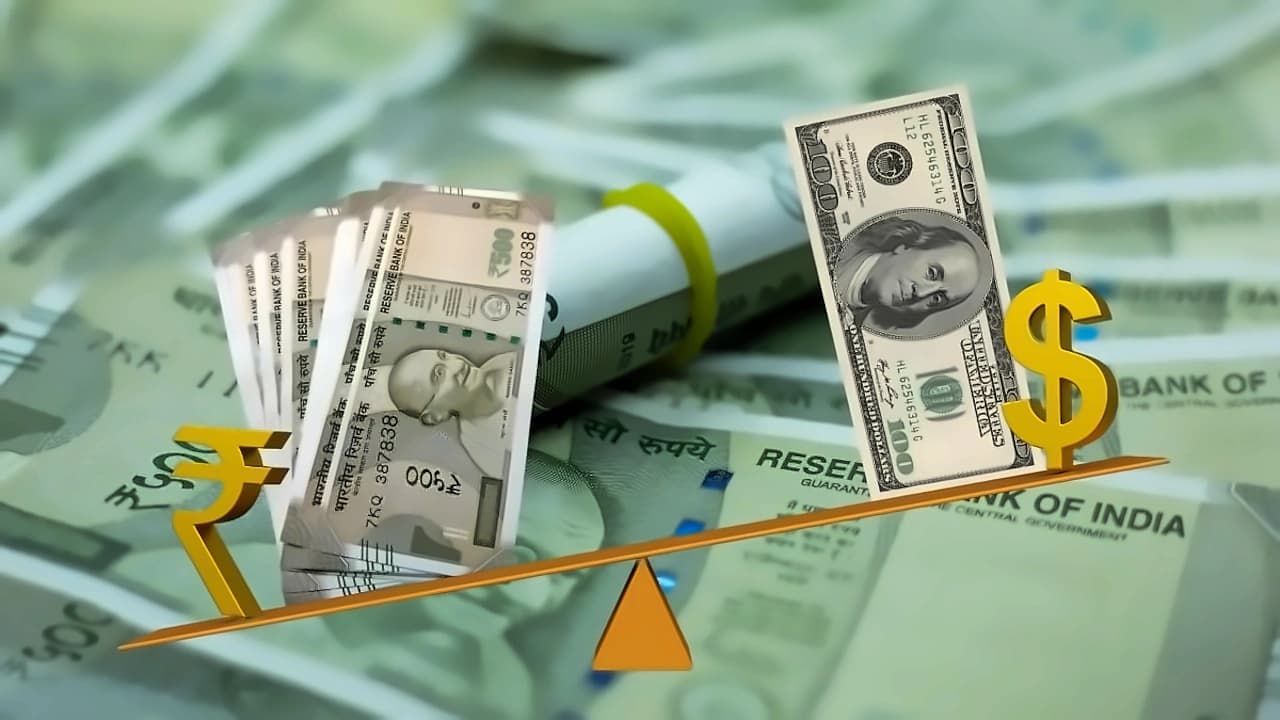
For travelers planning trips within 3-6 months, saving in rupees and converting closer to departure date is generally recommended. As reported by NDTV Profit, this approach allows money to continue earning interest in Indian savings accounts, fixed deposits, recurring deposits, or liquid funds until travel. The article notes that converting rupees into dollars locks the money in foreign currency, preventing it from earning returns during the conversion period. Additionally, early dollar purchases may result in unnecessary conversion costs including exchange-rate margins, forex charges, GST, and service fees that can accumulate over time. In India, every forex purchase requires declaring the purpose through an A2 form and providing KYC documentation, with amounts above USD 250,000 requiring prior RBI approval.
Currency conversion costs represent a significant factor in the decision-making process, with the cost differential becoming particularly relevant for frequent travelers who may convert money multiple times throughout the year. According to NDTV Profit, converting ₹10,000 into dollars monthly for 10 months could result in 10 separate conversion charges, while larger transactions conducted in one or two transactions typically result in lower total costs. The article emphasizes that once money is converted into US dollars, it stops earning returns in India, making timing crucial for maximizing returns. When exchanging at physical counters, the markup can vary enormously between providers, sometimes even between branches of the same bank, with airport exchange counters offering the most expensive option at 5% to 8% above the interbank rate.
For travelers, the most cost-effective approach involves comparing rates across multiple providers before committing to any conversion, locking in rates early during volatile market conditions, and avoiding airport exchanges entirely unless absolutely necessary. Online forex platforms offer the best combination of convenience and pricing, displaying live rates, allowing rate locking, and providing doorstep delivery or card-based solutions. Prepaid forex cards provide zero conversion markup for transactions abroad, with currency locked in at loading rates and transactions processed in the loaded currency. The process differs slightly depending on the method used, but the underlying mechanics remain consistent across all channels, with the key being to understand the total landed cost rather than just headline rates. When comparing providers, XE Currency Authority data shows that bank-beating rates and no hidden fees can provide significant value on international transfers.