Many retirees face a significant challenge in transitioning from saving to spending their accumulated wealth, according to Mint reports. Abhishek Kumar, SEBI-registered Investment Adviser and Founder of SahajMoney, shares a real-life example of a retiree with ₹3 crores in savings and a debt-free house who still runs the AC for only one hour daily during June heat. As reported by Kumar, this behavior is more common than realized, with many older generation individuals growing up in an era of scarcity where every rupee was carefully accounted for. "For 40 years they sacrificed comfort for kids' fees, for daughters' weddings, for later and so 'Save' got hardwired in. And after retirement, the 'Spend' switch just jammed," Kumar explains. Recent insights from GOBankingRates support this pattern, with certified financial planner Kevin Lum noting that "The people who think about money nonstop are usually the least happy people I meet."
According to Mint reports, retirees often exhibit several characteristic spending behaviors that limit their enjoyment of wealth. They live only on interest income, touching the principal feels like a sin, and delay necessary medical procedures such as knee surgery or cataract operations due to cost concerns. They book sleeper class at 70 instead of AC coach and deny themselves small comforts today to leave behind larger inheritances for children who are already financially secure. As Kumar notes, "Since they are constantly preparing for a worst-case future, they often end up sacrificing the quality of the present—the very years they worked so hard to secure." GOBankingRates reinforces this with Lum's observation that "The happiest retirees are not the ones who guessed the market right. They're the ones who had a process and stuck to it."
The consequences of this spending avoidance can be significant, as reported by Mint. "The ending is the saddest part. Crores in the bank. Silk sarees never worn. Gold locked away. An empty house. All of it goes to heirs who didn't need it," Kumar observes. This pattern reflects the mindset where money becomes "energy, not paper to hoard" - wealth accumulated over 40 years that doesn't convert into experiences if not used during retirement years. "You didn't struggle your whole life to be called the richest patient in the ICU," Kumar concludes, emphasizing the importance of converting accumulated wealth into meaningful experiences. GOBankingRates adds that "Your most valuable asset is not your portfolio—it's your health," with Lum noting he's seen people with millions become financially irrelevant overnight after health events.
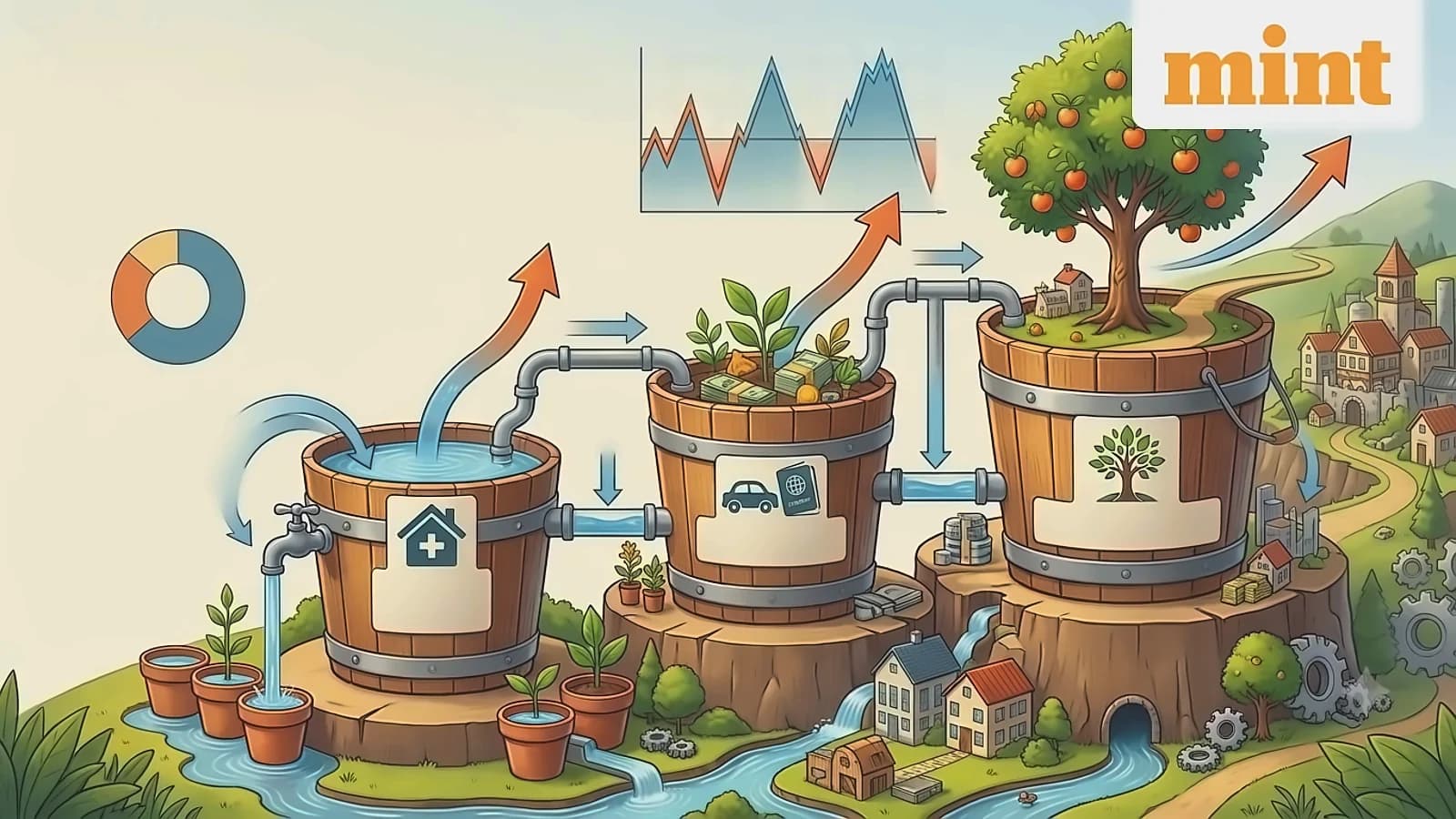
According to Mint reports, there are practical approaches to help retirees overcome spending avoidance. Building a 'Luxury Bucket' by carving out a slice of savings for joys of life - travel, hotels, and good clothes - can make spending a rule rather than an option. Dropping the heir illusion by helping them understand that their kids are financially secure can reduce anxiety about inheritance. Treating comfort as a right earned through decades of work rather than a luxury can shift the mindset. Kumar emphasizes that "Money is energy, not paper to hoard" - wealth accumulated over decades that doesn't convert into experiences remains just paper if not used during retirement years. GOBankingRates reinforces this with Lum's advice to "move from maximum accumulation to purposeful decumulation" and treat experiences like investments, noting that "When you buy stuff, you're voting for a life of maintaining stuff."