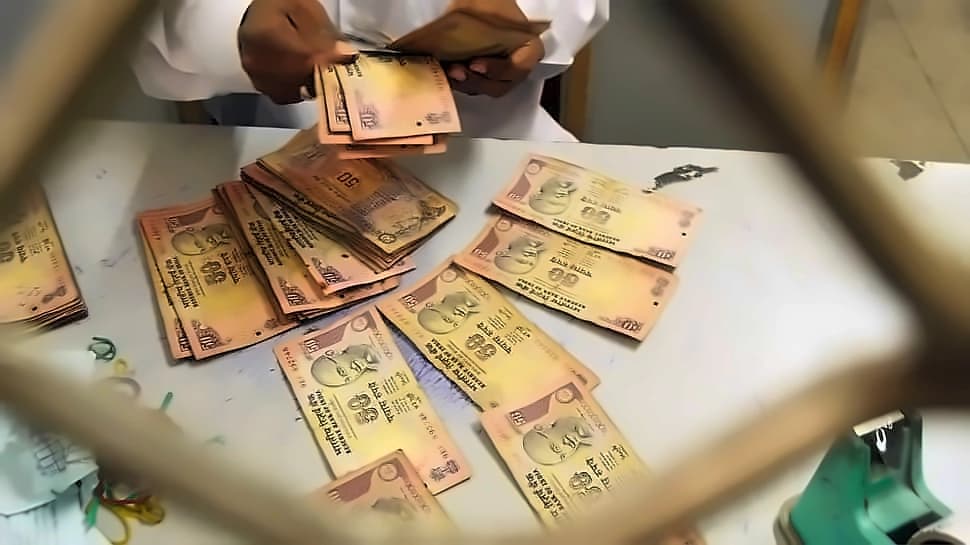
India does not ban buying gold using cash, but it does restrict the amount that can be accepted in cash under specific circumstances. According to reports from Mint, Section 269ST of the Income-tax Act prohibits individuals from receiving ₹2 lakh or more in cash in a single transaction, single day from one person, or in respect of transactions relating to one event or occasion. The same restrictions apply to gold purchases as well, with the burden of compliance falling on the seller rather than the buyer. Under Section 271DA, the penalty for violating this provision can be equal to the amount received in breach of the rule, and it is levied on the recipient.
When the transaction value crosses ₹2 lakh, jewellers are required to ask buyers to provide their Permanent Account Number (PAN) card for reporting and compliance purposes, as per income tax rules. As reported by Mint, providing PAN does not override the restrictions on cash transactions. From 1 April 2026, Form 97 replaced the previous Form 60 for certain declarations by individuals who do not have a PAN. Additionally, jewellers are subject to Know Your Customer (KYC) requirements under anti-money-laundering regulations, which may require identity verification depending on transaction size and risk profile.
Gold prices showed marginal increases across major jewellery chains on October 12, 2026, with 22k gold jewellery priced at ₹13,840 per gram at Malabar Gold & Diamonds, Kalyan Jewellers, and Joyalukkas across multiple cities. According to ETWealth, this represents a ₹25 per gram increase from the previous day's rates of ₹13,815 per gram at these brands. The price variations reflect evolving market dynamics, with Tanishq showing a modest drop in gold pricing across various locales. These variations stem from changing purity levels, taxes, and market demand, with rates differing across cities due to state-specific taxes and supply-demand factors.

In a clarification issued in December 2016, the Ministry of Finance stated that there is no limit on holding of gold jewellery or ornaments by anybody, provided it is acquired from explained sources of income, including inheritance. According to Mint, the ministry also clarified the quantities of gold jewellery that would not be seized during income tax raids, even if the holdings do not appear to be in line with the taxpayer's disclosed income. For married women, income tax officers will not seize gold ornaments weighing up to 500 grams, while for unmarried women, the limit prescribed is 250 grams. For males, a limit of 100 grams of gold jewellery and ornaments per person has been prescribed, whether married or unmarried. Recent legal precedent from the ITAT Mumbai case involving a woman with 427.71 grams of gold jewellery and 258 grams of pure gold showed that these quantities serve as practical benchmarks rather than absolute exemptions. The tribunal held that CBDT Instruction No. 1916 does not establish tax-free ownership thresholds, but rather provides guidance for determining whether jewellery holdings can reasonably be regarded as explained.
If you have more jewellery at your home than the prescribed limits, it does not automatically make the excess gold illegal or automatically liable to seizure. As reported by Mint, in such cases, the taxpayer should be able to satisfactorily explain where the jewellery came from, along with providing supporting evidence. Such evidence can include purchase bills, bank withdrawal records, inheritance documents, gift deeds or other such documents. Income tax officers conducting a search or raid also have discretion to not seize even higher quantity of gold jewellery than mentioned above based on factors such as family customs and traditions. The recent ITAT Mumbai case demonstrated that absence of old purchase bills alone is not conclusive evidence against the taxpayer, particularly when assets have accumulated through marriage gifts, inheritance, and decades of ownership, as long as the family's combined gross total income across assessment years supports the explanation.