

Consumer price inflation in India increased to 4.45% year-on-year in July 2025, up from 4.38% in June, marking the highest level in 19 months according to latest data. Despite this uptick, inflation remains well within the Reserve Bank of India's target range. Wholesale Price Index (WPI) inflation eased marginally to 9.78% in July from 9.87% in June, though it continues to indicate elevated input cost burdens across primary commodities and manufacturing supply chains.
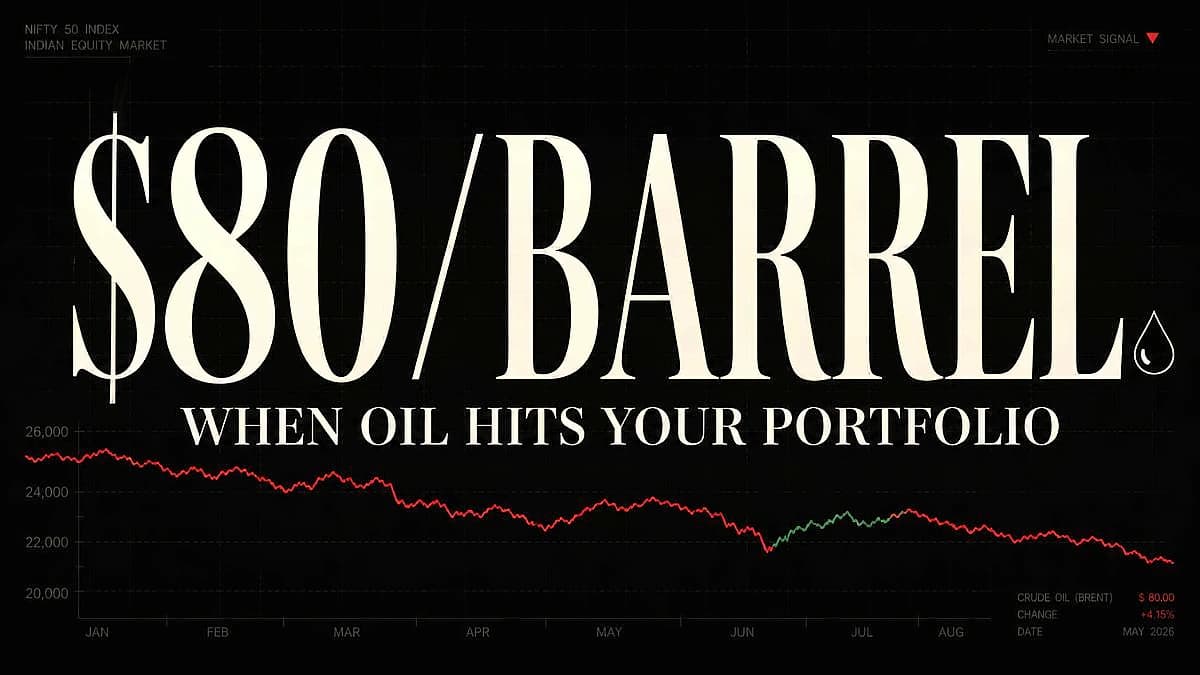
The Nifty-Brent correlation stands at only 0.1256, indicating a relatively weak relationship between crude oil prices and Indian equity markets. However, as reported by market observers, this low correlation does not prevent oil shocks from significantly impacting investor portfolios, particularly affecting systematic investment plans (SIPs).
The primary mechanism through which oil price volatility affects Indian portfolios involves inflation transmission effects. As reported by market analysts, crude oil price movements directly influence input costs for various sectors, leading to increased production expenses and ultimately higher consumer prices. This inflationary pressure can create headwinds for equity valuations, particularly affecting companies with direct exposure to commodity-linked input costs.
Another significant channel through which oil price volatility impacts Indian portfolios is rupee depreciation. According to market reports, crude oil is priced in US dollars, and fluctuations in oil prices directly affect India's import bill, creating pressure on the rupee. This currency depreciation can lead to reduced purchasing power for investors and increased costs for import-dependent sectors, further affecting overall market performance.
The impact of oil price volatility extends beyond direct market effects to include foreign investment patterns. As reported by market observers, foreign institutional investors (FIIs) often adjust their investment strategies based on oil price movements, particularly when crude oil reaches certain threshold levels. These investment flow adjustments can create additional volatility in Indian equity markets, amplifying the overall impact of oil price shocks on investor portfolios.