Vanguard Asset Management has opened a long position in short-dated inflation-protected Treasuries as the firm's active funds team bets that markets underprice the risk of stickier US inflation. According to reports from Bloomberg, the investment strategy comes after an oil-market gauge, the crack spread, reached a 2022 high, signaling potential fuel price rebound ahead. The firm's approach involves pairing short-dated Treasury positions with breakeven trades further out on the curve, reflecting confidence in inflation persistence beyond current market expectations.
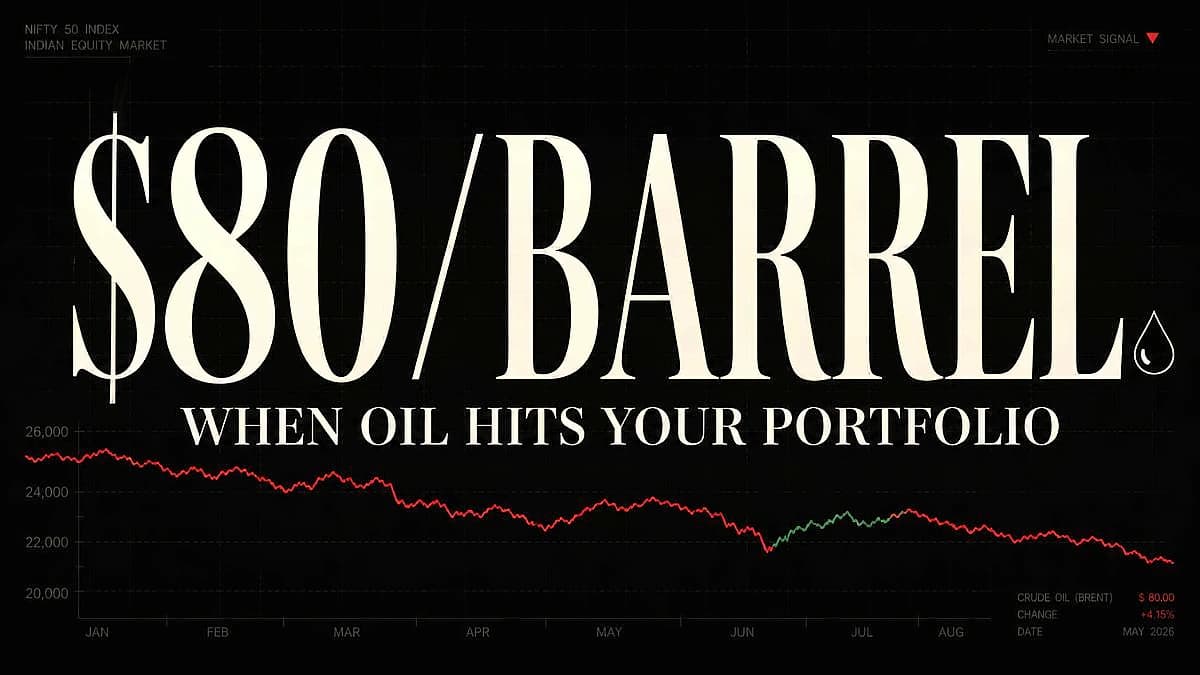
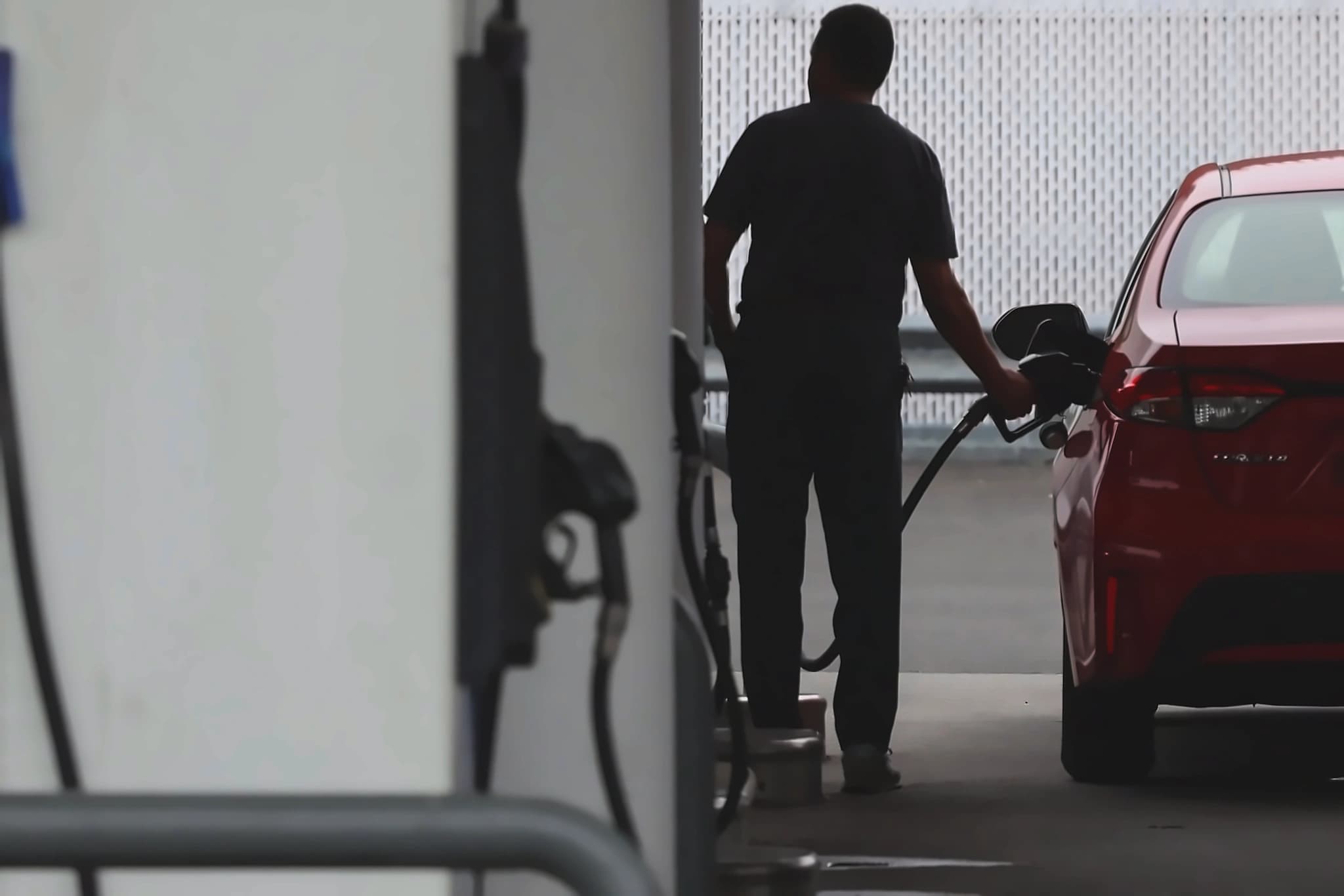
The crack spread, which measures the difference between refined fuel prices and crude oil costs, has widened to its highest level since 2022. As reported by Bloomberg, crude oil has slumped since the fragile US-Iran ceasefire, but gasoline prices have fallen but not matched the drop, while jet fuel, diesel, and fuel oil are behaving differently relative to oil prices. Two forces are squeezing fuel supply: Iran war activities have reduced global refinery production capacity, and Ukrainian attacks on Russian plants have pushed Moscow to ban diesel exports, tightening supply further. These supply constraints keep inflation sticky even as crude prices decline. Recent developments show oil prices jumped this week amid concerns over renewed attacks on shipping and global supplies, with Brent crude trading around $76 per barrel, though this remains far from the $100 level that markets view as more concerning.
Two-year breakeven rates have tumbled to near their lowest in almost two years, implying markets expect inflation to hover only slightly above the Federal Reserve's 2% target. However, according to Bloomberg reports, Vanguard's active funds team disagrees with this assessment. Ales Koutny, head of international rates at Vanguard's active funds, stated that the team is monitoring the spread for signs that fuel prices will rebound and feed inflation. The team is also reworking its models to incorporate individual oil distillates rather than just crude oil as a way to better assess inflation risk. Macquarie strategists noted that the pullback in oil prices in recent weeks could mitigate the need for global central banks to raise interest rates to control inflation, though they emphasized that oil price movements remain a key determinant of monetary policy timing.
The CPI report for June, due on Tuesday, will be closely watched for signs of inflation persistence. As reported by Reuters, the core measure of CPI, which strips out energy prices, will be particularly important in assessing whether this year's rise in oil prices is filtering through to broader inflation. Anthony Saglimbene, chief market strategist at Ameriprise, noted that "if we get hotter inflation or we see signs that inflation will remain elevated for the next few months, it could push odds of a rate increase higher by year end." The producer price index, coming a day after the CPI report, and monthly retail sales on Thursday will provide additional insights into consumer spending strength. Investors' bets on impending rate hikes have risen following a surprisingly hawkish Fed meeting last month, with the first meeting under new Chair Kevin Warsh showing mounting policymaker concerns about inflation.
JPMorgan Chase and Goldman Sachs are among major banks reporting Tuesday, setting the tone for a quarterly earnings season expected to show exceptional overall US profit growth. According to Reuters, S&P 500 earnings are expected to jump 23.4% in the second quarter from a year ago, with Glenmede strategist Reynolds noting "we're in store for a really strong quarter." High-profile companies including Netflix, BlackRock and Johnson & Johnson are also reporting next week, providing insight into consumer strength and broader credit trends. King Lip, chief strategist at BakerAvenue Wealth Management, emphasized the challenging environment, stating "it's a very difficult environment to make strategic investment calls when the situation in Iran is so fluid."