According to Mint reports, the Bharat Pensioner Samaj (BPS), representing 10 lakh central government pensioners, has identified six major challenges faced by NRIs in submitting Jeevan Pramaan online. The primary obstacles include problems with biometric and facial verification where older pensioners encounter difficulties with age-related changes in fingerprints, unclear facial images, insufficient lighting and device-related technical glitches. Aadhaar-linked Indian mobile number unavailability creates significant hurdles as pensioners living abroad may not have working Indian mobile numbers registered with their Aadhaar, making OTP verification impossible. Difficulty accessing digital services independently affects older pensioners who find it challenging to navigate mobile applications and websites without assistance, often relying on children or relatives to complete the process. Additionally, difficulty reaching Indian missions becomes problematic when online submission is not feasible, as the nearest Indian diplomatic mission could be located far away, making travel especially challenging for elderly pensioners. Expensive international postal costs and risk of document delays or loss during transit remain significant concerns for overseas pensioners.
For Indian pensioners living abroad, submitting the annual life certificate through the Jeevan Pramaan digital system can present significant obstacles. The system uses Aadhaar-based biometric authentication to verify pensioners are alive, but older pensioners may face difficulties with fingerprint or facial authentication due to age-related changes or technical issues. Additionally, OTP-based verification can become problematic if the pensioner's Aadhaar is not linked to an active Indian mobile number, as many NRIs primarily use foreign mobile numbers after moving overseas. Recent reports from The Economic Times confirm that issues such as Aadhaar authentication failures and mobile number complications continue to obstruct online life certificate submissions for NRI pensioners. The Jeevan Pramaan Patra, or Digital Life Certificate (DLC), is an Aadhaar-based, biometric-enabled digital certificate designed for pensioners that eliminates the need for physical submission to pension disbursing officers.
The Department of Pension and Pensioners' Welfare (DoPPW) has outlined alternative routes for NRI pensioners unable to complete digital verification. As reported by Mint, the DoPPW through an office memorandum issued on October 31, 2025, laid down four alternative arrangements for those facing difficulties with online submission. The first option is available to pensioners drawing pension through banks covered under the Second Schedule of the RBI Act, 1934, where life certificates may be authenticated by designated bank officers without requiring personal appearance. The second provision allows authorized agents to submit certificates on behalf of pensioners, with authentication by magistrates, notaries, bankers, or Indian diplomatic representatives. The third option involves approaching Indian diplomatic missions, where authorized officials at embassies, high commissions, or consulates can issue life certificates after verifying documents such as the Pension Payment Order (PPO), passport photograph, or other valid documents. For those unable to visit missions personally, postal submission remains available with a doctor's certificate establishing inability to appear in person. Currently, overseas pensioners cannot submit their life certificates digitally through registered email, as the government has not enabled this digital pathway despite requests from the Bharat Pensioner Samaj for policy updates.
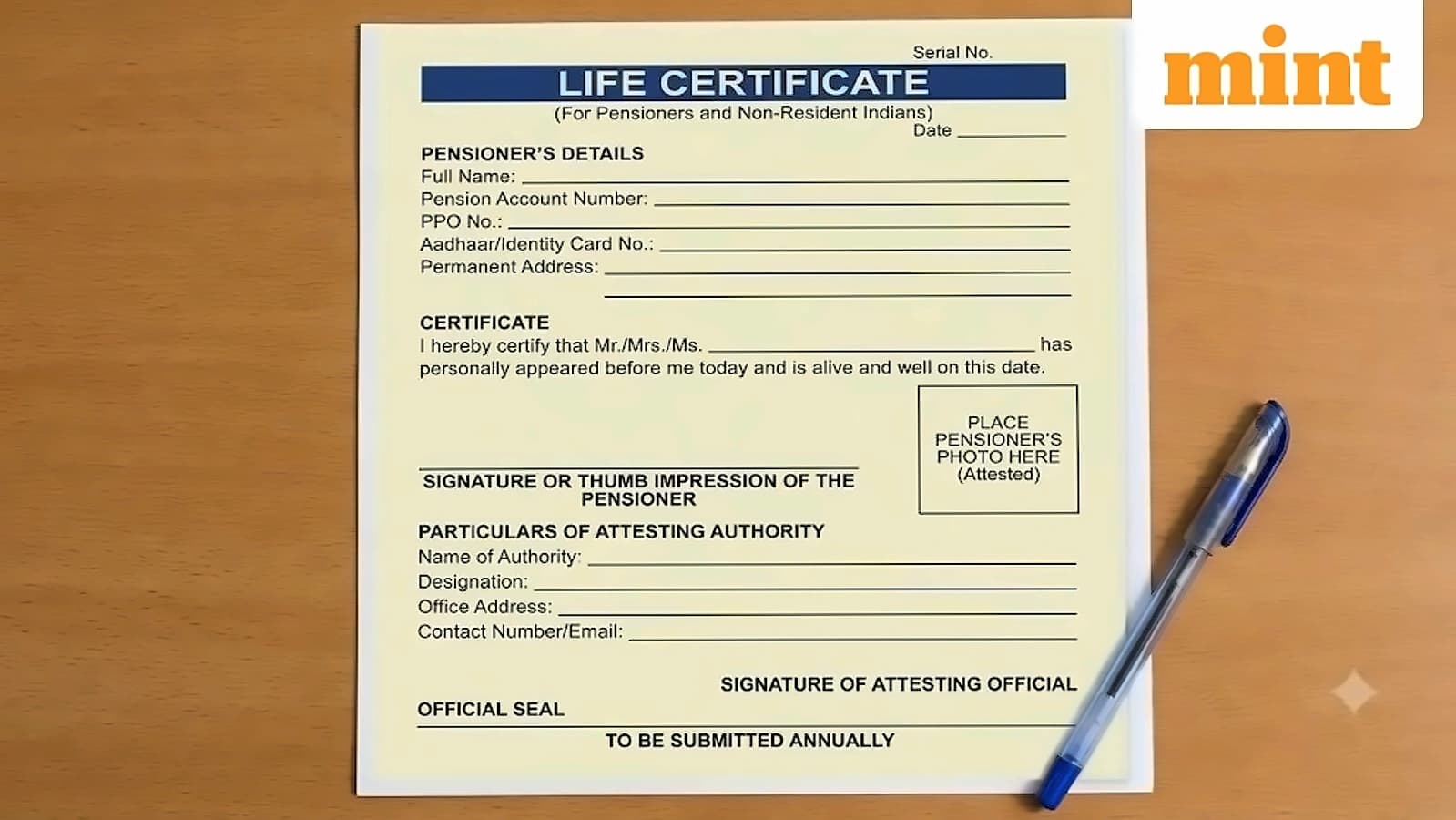
According to Mint reports, there is currently no general facility for overseas central government pensioners to submit authenticated life certificates through registered email addresses. The Bharat Pensioner Samaj (BPS) has sought such a facility for overseas pensioners and family pensioners. Until such a mechanism is introduced, NRIs who cannot complete Jeevan Pramaan digitally must use one of the accepted alternative routes. The key recommendation for NRI pensioners is to arrange certification through banks, authorized representatives, or Indian diplomatic missions well in advance to avoid last-minute disruptions in pension processing. As confirmed by The Economic Times, these challenges persist despite the government's broader financial inclusion initiatives, highlighting the specific needs of overseas pensioners. The BPS has specifically highlighted that high cost and delays in sending documents can burden NRI pensioners, while risk of delivery delays or document loss during transit remains a concern. The organization has formally communicated these hurdles to the central government, seeking policy updates to address the persistent digital barriers faced by overseas retirees.