According to the Back to India NRI Community Survey (2025-26), 74% of respondents listed ageing parents among their top three reasons for returning home. For many non-resident Indians, life abroad eventually collides with the reality of ageing parents back home, what begins as long-distance concern often turns into a life-changing decision to pack up overseas and relocate to India. As reported by Mint, the move requires careful financial planning—from navigating medical expenses and lower salaries to managing cross-border taxes and overseas assets.
The UNFPA India Ageing Report (2023) reveals that nearly one in three elderly Indians lives with an ongoing health condition. Health insurance policies may fail to cover the full care in some cases, forcing families to pocket high costs. According to Mint, Kalyan Kumar Biswal, a 34-year-old wealth manager who returned from Canada to Mumbai five years ago, experienced this firsthand when his father was diagnosed with stage-two lymphoma. Despite having health insurance, the financial burden was significant, with insurance not covering consumables, doctor's visits, and several other expenses that came out of pocket during his father's 12 cycles of chemotherapy.

Returning professionals often have to accept significantly lower salaries. Nilesh Khare, an educator who returned to India in 2017 after more than 15 years in the US, said there is certainly a compromise professionally and financially if you relocate to a Tier-2 or Tier-3 city where matching opportunities do not exist. As reported by Mint, income may drop to one-third or one-fourth of potential in metros. Chetna Kaushik, a 35-year-old project manager who moved back to India five years ago, started at roughly one-third of her original salary but rebuilt her monthly income to 50-60% of what she earned abroad through freelancing and job switching over three years.
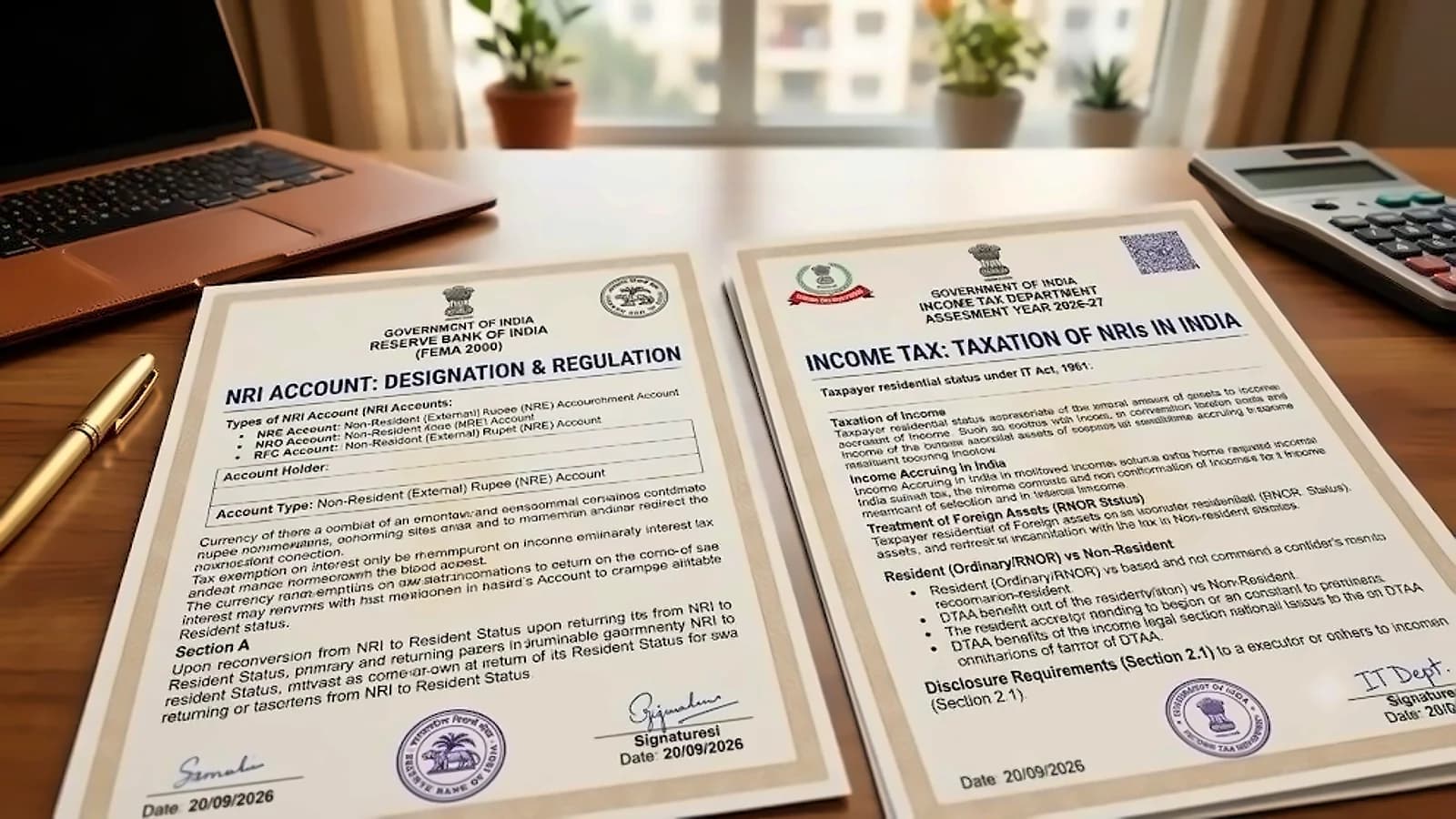
Relocating to India involves navigating financial and legal regulations. According to Sidhant Agarwal, CA and founder of cross-border advisory firm India For NRI, the date of arrival in India triggers compliance under both the Foreign Exchange Management Act (FEMA) and the Income Tax Act. As reported by Mint, returning NRIs may qualify for Resident but Not Ordinarily Resident (RNOR) status, which taxes only Indian-sourced income for up to two to three years while foreign income remains outside India's tax net during the transition. Agarwal recommended beginning the planning process three to four months before relocating and advised setting up a Power of Attorney before leaving.
Financial planners advise against making large investment decisions immediately after returning. Vishal Dhawan, CFP and co-founder of Sebi-registered investment advisor Plan Ahead Wealth Advisors, recommended focusing on flexibility during this phase, especially since reverse migration may not be permanent for some. As reported by Mint, Thomas Kaduthanam, founder and CEO of MSherpa, advised returnees to have six months of expenses as backup to absorb sudden income drops and medical outlays. Experts emphasize that a successful return requires more than an emotional decision, with adequate liquidity planning and careful coordination with tax advisors to maintain long-term financial security.