According to HDFC Pension Fund Management's 'NPS Preference Index Study 2026', the preference for the National Pension Scheme among Indians has increased to 57, up three points from the inaugural 2023 reading of 54. The research highlighted key behavioural insights amongst Indians towards retirement planning and their preference towards the NPS as an instrument for retirement planning. The readings are made on a scale of 0 to 100 by the research team, with the North region recording the highest Index score at 60, driven by a sharp rise in Consideration, while the East posted the fastest improvement in Familiarity, taking its score to 58. The South stood at 57 and the West at 54, indicating regional variations in NPS adoption patterns.
As per the study, India's NPS Preference Index rose to 57 this year, with the gain led by 'Consideration' which climbed six points to 59, ahead of 'Familiarity' (58, up three points) and 'Appeal' (56, up two points). This indicated that Indian savers are moving from passive awareness of NPS to active evaluation of the product. According to Sriram Iyer, MD and CEO of the pension fund, India's retirement story is building steadily and will empower Indians to build a strong corpus for their retirement needs. He noted that while there is improvement in Consideration for NPS, it is essential to convert this into enrolment, stating that "Seeing a rise in preference index is an indication that we are moving in the right direction, however, there is more ground to cover."
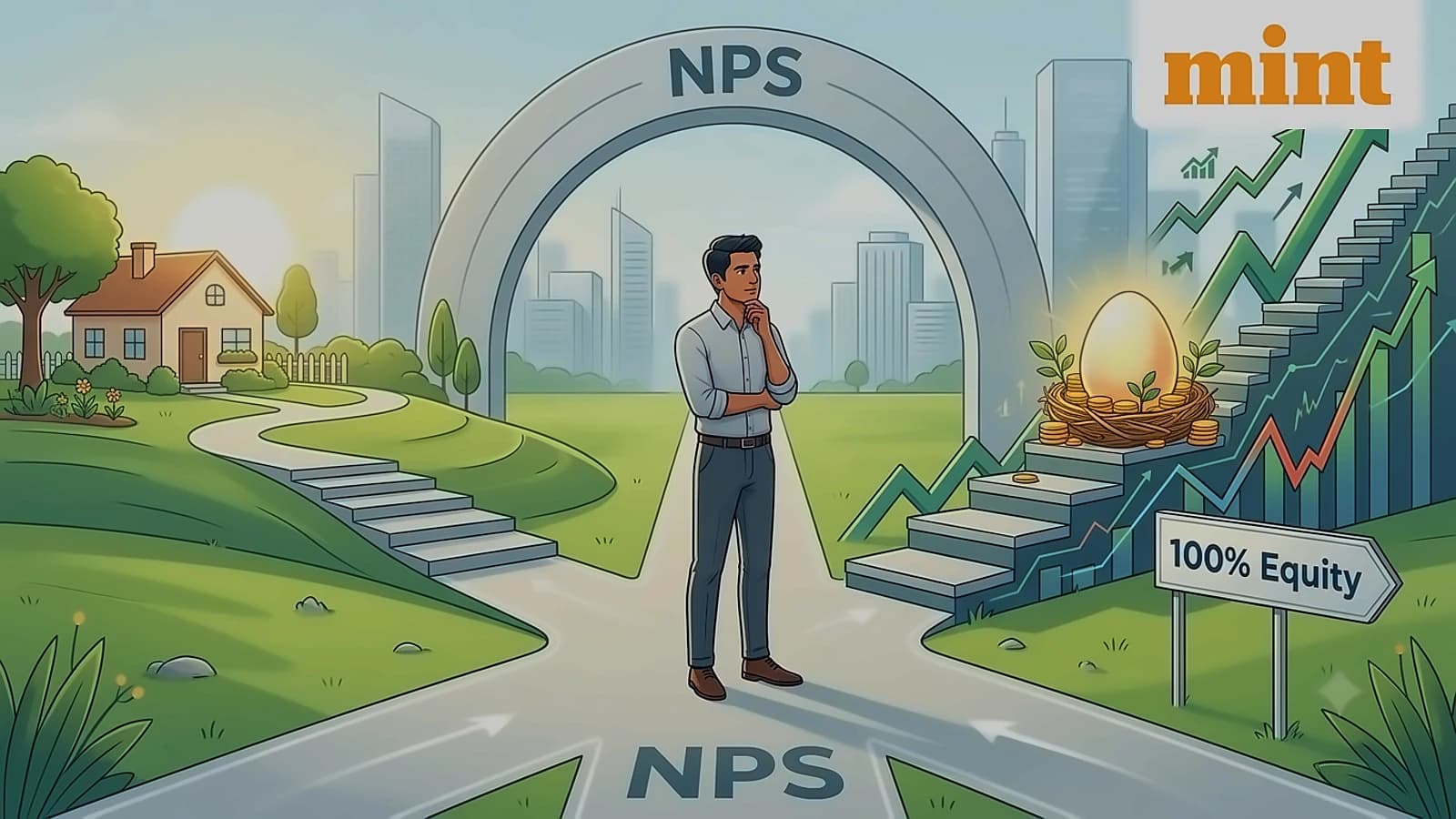
The research revealed that recent enhancements to NPS emerged as key reasons for enrolment at 39%, ahead of tax savings (38%) and better returns (36%). Awareness of individual enhancements remained at roughly one in three consumers, with 100% equity investment and flexible payouts among the most recognised changes. Tax free withdrawal after age 60 years (59%) and the product's status as a safe, government regulated instrument (52%) remained its strongest appeal. Despite recent product changes, lock-in period (26%) and mandatory annuity purchase (25%) continued to be cited as leading barriers to adoption, while lack of knowledge, the top barrier in the 2023 edition, fell to fifth place, suggesting that knowledge gaps are easing among potential investors.
According to the study, retirement planning held its place among consumers' top financial priorities, behind medical expenses (45%), emergency corpus building (39%), and child's education (35%). Rising healthcare costs (47%) and age-related health issues (44%) were cited as the leading retirement concerns. Additionally, 69% of respondents claimed they expected some financial support from family or children after retirement. The 2026 edition also tracked awareness of NPS Vatsalya, the scheme for minors, finding 28% awareness among parents, of whom 27% reported a full understanding of its features.
For parental enrollment, tax-saving benefits (44%) and the discipline of long-term saving (41%) were the leading reasons parents cited for enrolling their children in NPS. The shift suggests that knowledge gaps are easing, even as product-related concerns persist. The study emphasizes that while there is improvement in Consideration for NPS, it is essential to convert this into enrolment to ensure Indians build a strong corpus for their retirement needs.