According to reports from The Times of India, around 88% of individual taxpayers have already shifted to the new tax regime, which offers lower tax rates and higher standard deductions. This shift signals a departure from conventional tax-saving strategies as the new regime does not provide several tax deductions and exemptions available under the old tax regime. However, many tax-saving instruments still hold significant financial value beyond their tax benefits. The new regime provides ₹75,000 standard deduction compared to ₹50,000 under the old regime, and offers rebate under Section 87A for income up to ₹12 lakh, making it more tax-free. Employees with fewer deductions typically benefit more from the new regime's simplicity, while those with multiple investments and allowances may still prefer the old regime's comprehensive deduction structure.
As reported by The Times of India, life insurance provides far greater value than just tax savings, offering financial protection for families during unforeseen circumstances. The right life cover should be 15-20 times your annual income, taking into account outstanding loans, number of dependents, children's education, and other long-term financial commitments. New-regime taxpayers should not discontinue life insurance merely because tax deductions are unavailable, as the absence of tax benefits makes it even more important to assess policies based on protection provided and cost-effectiveness. Under the old regime, life insurance premiums qualify for deductions under Section 80C (up to ₹1.5 lakh), making it an essential component of comprehensive financial planning.

According to The Times of India, the National Pension System (NPS) remains relevant despite the new regime changes, with employer contributions up to 14% of basic salary qualifying for tax benefits under the new tax regime. NPS is specifically designed for retirement planning with long-term investing and asset diversification across different asset classes. The scheme offers government-backed security with restrictions on premature withdrawals, making it suitable for building a retirement corpus over an extended period. Under the old regime, employee NPS contributions qualify for deductions under Section 80CCD(2), while the scheme remains attractive for tax-efficient retirement planning regardless of the chosen tax regime.
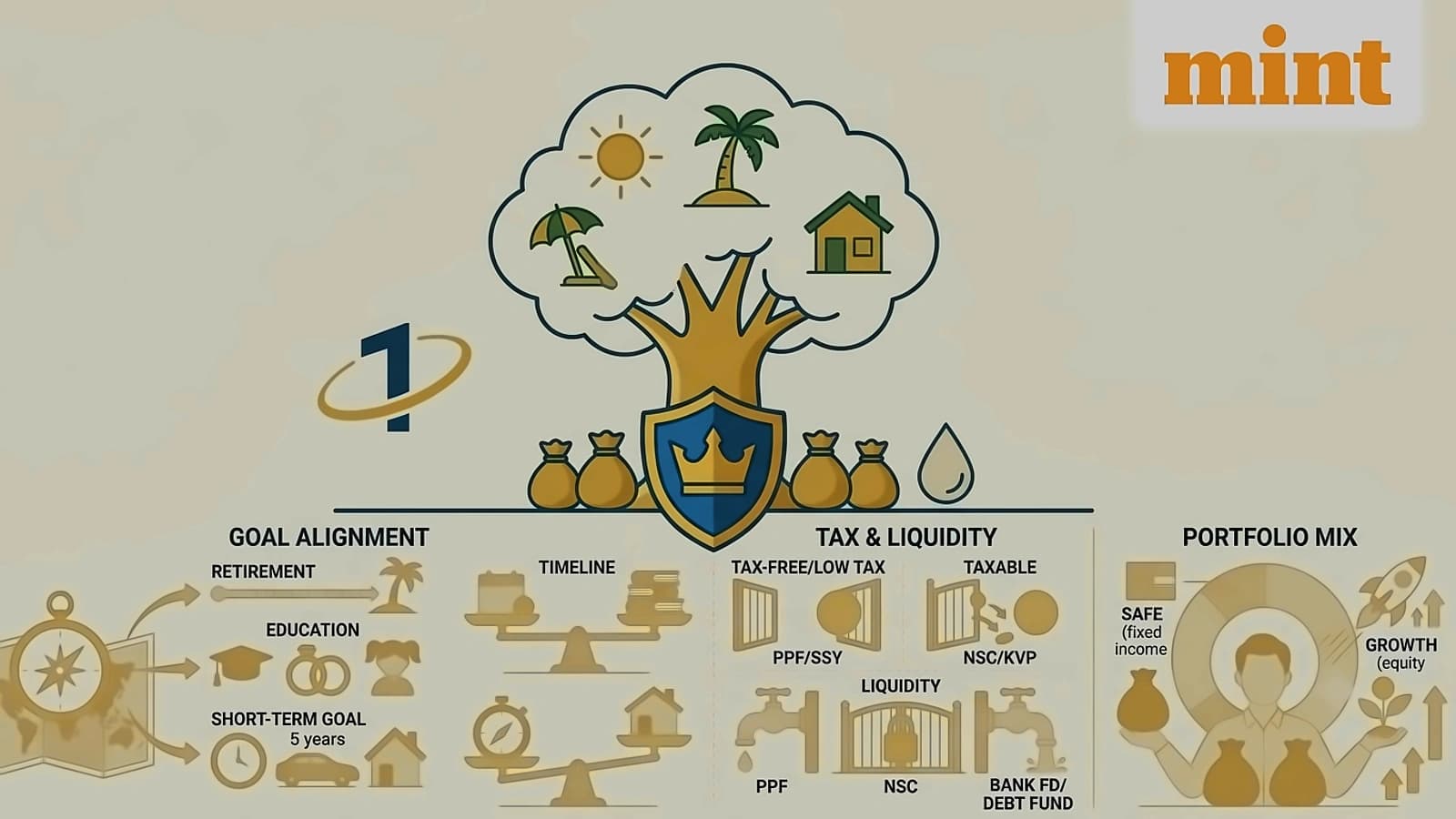
As reported by The Times of India, the Public Provident Fund (PPF) offers a government-backed 7.1% p.a. interest rate with guaranteed, tax-free returns under both old and new tax regimes. PPF's 15-year tenure allows long-term compounding and disciplined investing, making it suitable for risk-averse investors and those seeking stability near retirement. The scheme provides capital protection and portfolio diversification for investors with substantial market-linked exposure. Under the old regime, PPF investments qualify for deductions under Section 80C (up to ₹1.5 lakh), while the scheme continues to offer tax-free returns regardless of the chosen tax regime.
According to The Times of India, the National Savings Certificate (NSC) offers fixed-income stability with government backing and a defined tenure, while the Sukanya Samriddhi Yojana (SSY) provides dedicated savings for girl children's future education and financial needs. Both schemes encourage disciplined investing and long-term wealth accumulation, with SSY offering specialized child-focused savings that reduce temptation for short-term expenses. These instruments continue to serve as critical pillars of smart, long-term financial strategies despite the new tax regime changes. Under the old regime, NSC investments qualify for deductions under Section 80C, while SSY offers tax-free returns and specialized child-focused savings benefits.