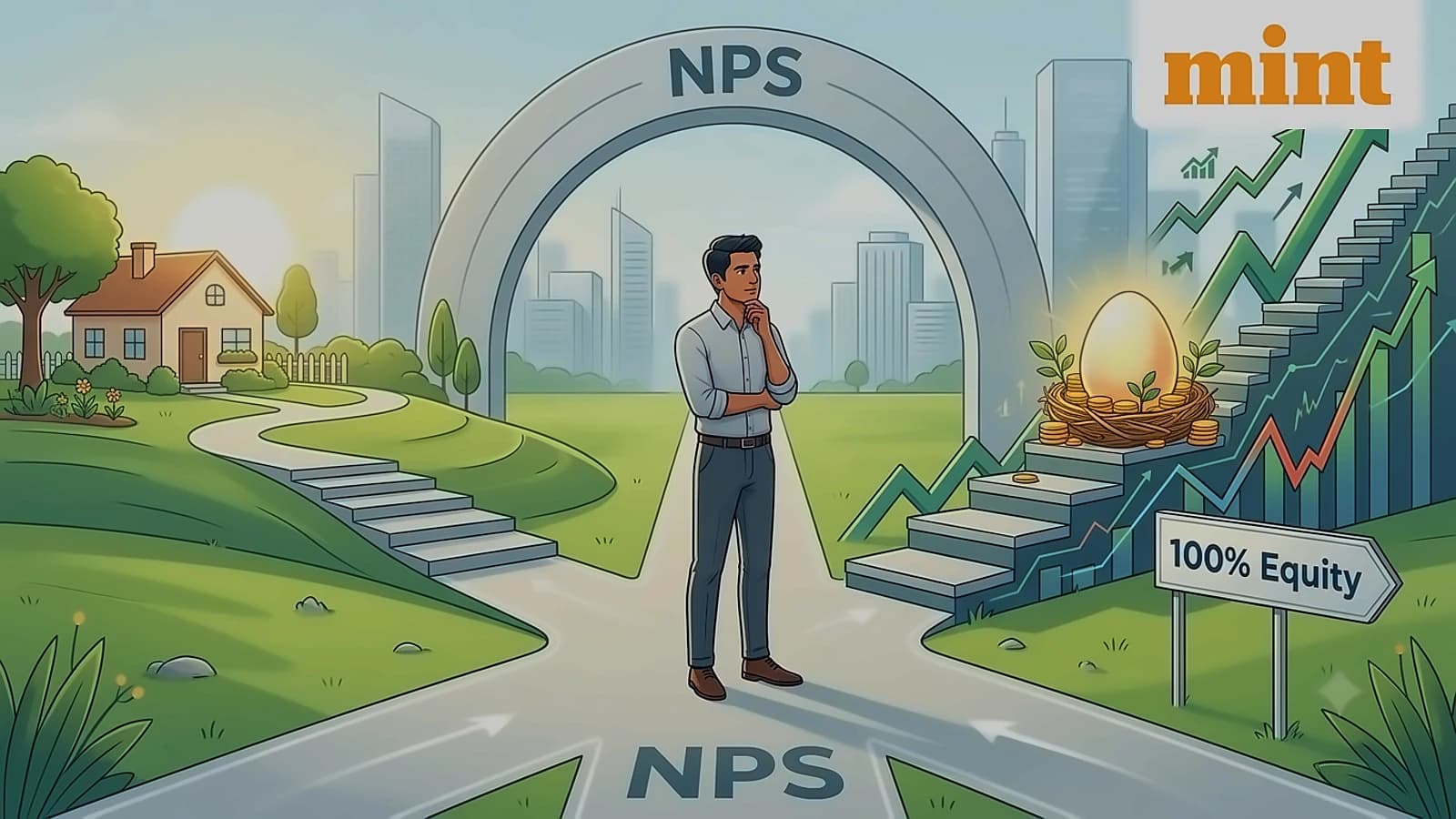
The National Pension System offers two distinct investment approaches designed to cater to different risk tolerances and investment skills. Auto Choice is a predefined, age-based investment strategy where the fund manager automatically adjusts asset allocation as subscribers age. This option suits those preferring a hands-off investment approach and provides multiple lifecycle fund options, with LC25 capping equity at 25% until age 35, LC50 allowing up to 50% equity exposure, and LC75 permitting the highest equity exposure among these options. Active Choice gives subscribers full control over asset allocation, allowing investors to decide exact splits across Equity, Corporate Bonds, Government Securities and Alternative assets, with the maximum equity allocation reaching 75% for younger subscribers until age 50, after which the cap reduces gradually by 2.5% annually.
According to reports from Mint, younger subscribers or those with higher risk tolerance often prefer Active Choice, as this option suits investors comfortably managing their own investments actively and understanding market dynamics well. Active Choice requires regular monitoring and manual portfolio rebalancing, making it suitable for investors with the time and expertise to manage their own investments. Auto Choice suits investors with limited investment experience or knowledge and provides disciplined, automatic risk reduction over time, particularly benefiting those unlikely to review investments regularly. Both options provide identical tax benefits under the Indian tax law, with the difference lying purely in control and investment flexibility. As noted in recent reports, employment is not mandatory for opening an NPS account, with homemakers who meet eligibility criteria and complete KYC process able to invest, making the scheme accessible to a broader range of investors.
As reported by Mint, the NPS provides comprehensive tax benefits across different categories of contributors. Employees can claim a deduction under Section 80CCD(1) of up to 10% of salary, Basic plus DA, within the overall ₹1.5 lakh limit under Section 80CCE, with Section 80CCD(1B) providing an additional deduction of up to ₹50,000. Self-employed individuals can claim up to 20% of gross income under Section 80CCD(1), subject to the ₹1.5 lakh ceiling, along with the additional ₹50,000 deduction. Employer contributions are separately deductible under Section 80CCD(2), up to 10% of salary under the old tax regime and 14% under the new regime. Eligible partial withdrawals of up to 25% of the subscriber's own contributions are tax-exempt, subject to PFRDA conditions, while annuity purchases at age 60 or superannuation are exempt, though subsequent annuity income remains taxable.
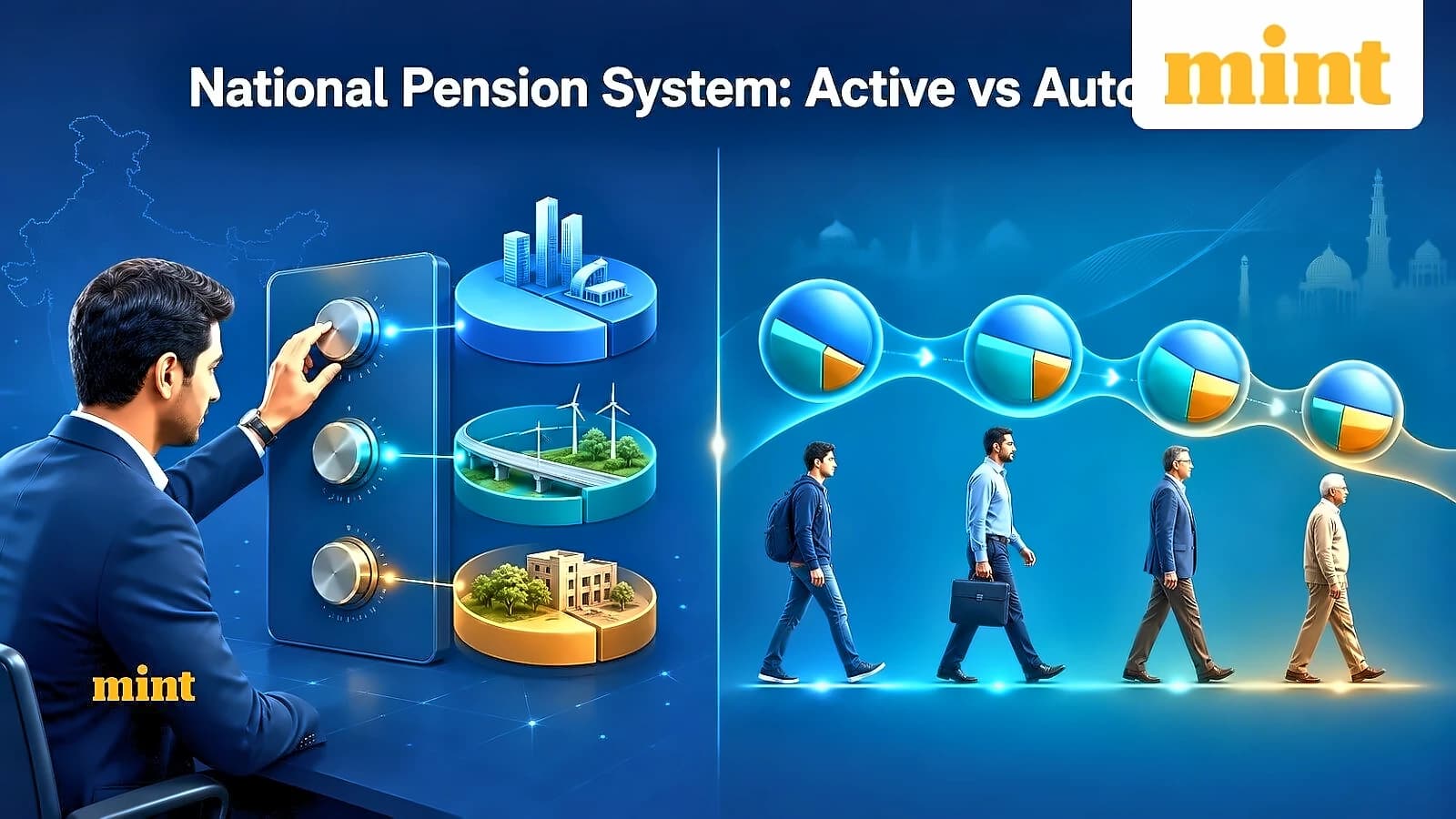
According to Mint reports, NPS allows subscribers to switch between Auto and Active Choice, meaning initial decisions aren't permanently binding. The right decision depends on financial knowledge, risk tolerance and time commitment, with consistency and early investing mattering more than which option is selected. There's no universally superior choice between these two options, making it crucial for subscribers to evaluate their personal circumstances and investment comfort level when making their selection. Recent reports highlight that subscribers can change their investment choice up to four times in a financial year, helping align their portfolio with changing goals and providing flexibility in the investment approach.
The NPS Vatsalya scheme, available through ICICI Bank as a Point of Presence, enables parents and legal guardians to establish retirement investments for minors. Indian citizens, NRIs and OCIs can open accounts for eligible minors below 18 years, with ICICI Bank requiring a minimum contribution of ₹250 and no maximum limit. The scheme offers Auto Choice Life Cycle Funds (LC25, LC50, and LC75) with the Moderate Life Cycle Fund (LC50) as the default option, and Active Choice for guardians who prefer customized asset allocation. Partial withdrawals are allowed after three years for specified purposes including education, medical treatment, or severe disability, with the account converting to a regular NPS account after the child turns 18 upon completion of fresh KYC formalities.