The Pension Fund Regulatory and Development Authority (PFRDA) has introduced the NPS e-shramik (Platform Service Partner) Model through a circular dated 29 October 2025 to extend NPS benefits to gig and platform workers. According to reports from Mint and Zee News, platform workers associated with companies such as Zomato, Swiggy, Blinkit, Ola, Uber and Urban Company can now use the National Pension System to build a retirement corpus, with contributions starting at just ₹99. Under PFRDA's definition, a platform service partner is an individual, including a gig worker, who provides services to users through a platform under a service contract. The regulator emphasized the flexibility through social media, stating "Your work may depend on your next booking, but your retirement shouldn't." As reported by Zee News, unlike regular employees in formal sectors, gig workers have no structured income and social-security in form of regular retirement benefits, making this model crucial for financial security.
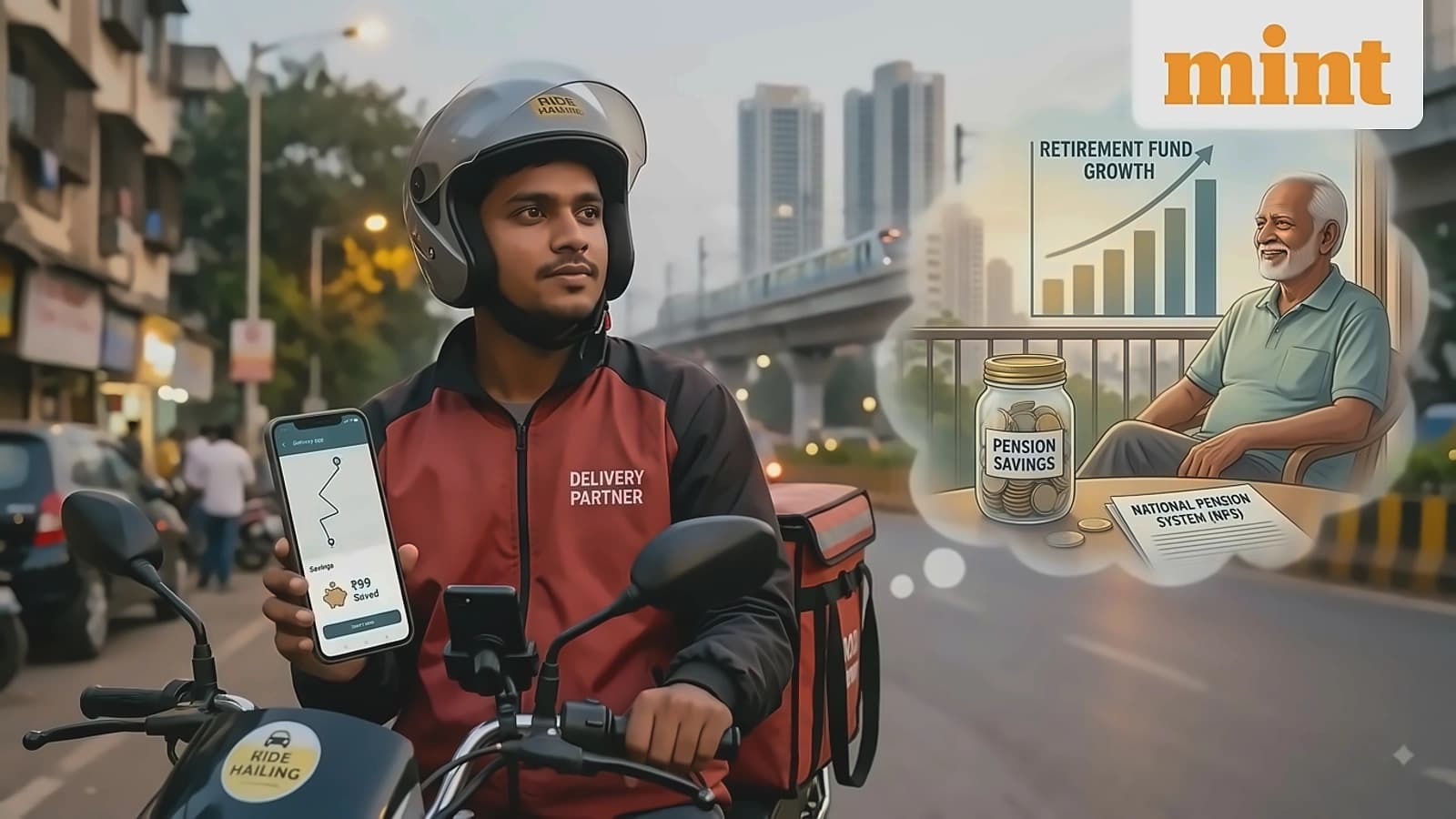
The contribution structure offers flexible options with no minimum and no maximum contribution limits. As reported by Mint and Zee News, contributions can be made through three methods: platform and worker jointly, worker-only, or platform-only. The model allows gig workers associated with digital platforms to access the NPS, with contributions designed similar to the NPS Corporate Model but tailored for platform workers. PFRDA does not fix a minimum amount to be contributed, allowing the platform aggregator and platform service provider to decide the amount. The regulator states that "No minimum or maximum contribution thresholds shall be applicable, in line with the existing Corporate Model. To ensure effective contributions, the Platform Aggregator/Platform Service Partners are free to fix a minimum contribution for each instance of credit into the individual pension account, for e.g., ₹99 per month per contribution," according to PFRDA's circular. Platform aggregators do not need separate registration with PFRDA, as Points of Presence (PoPs) can enter arrangements with aggregators to enrol their workers.
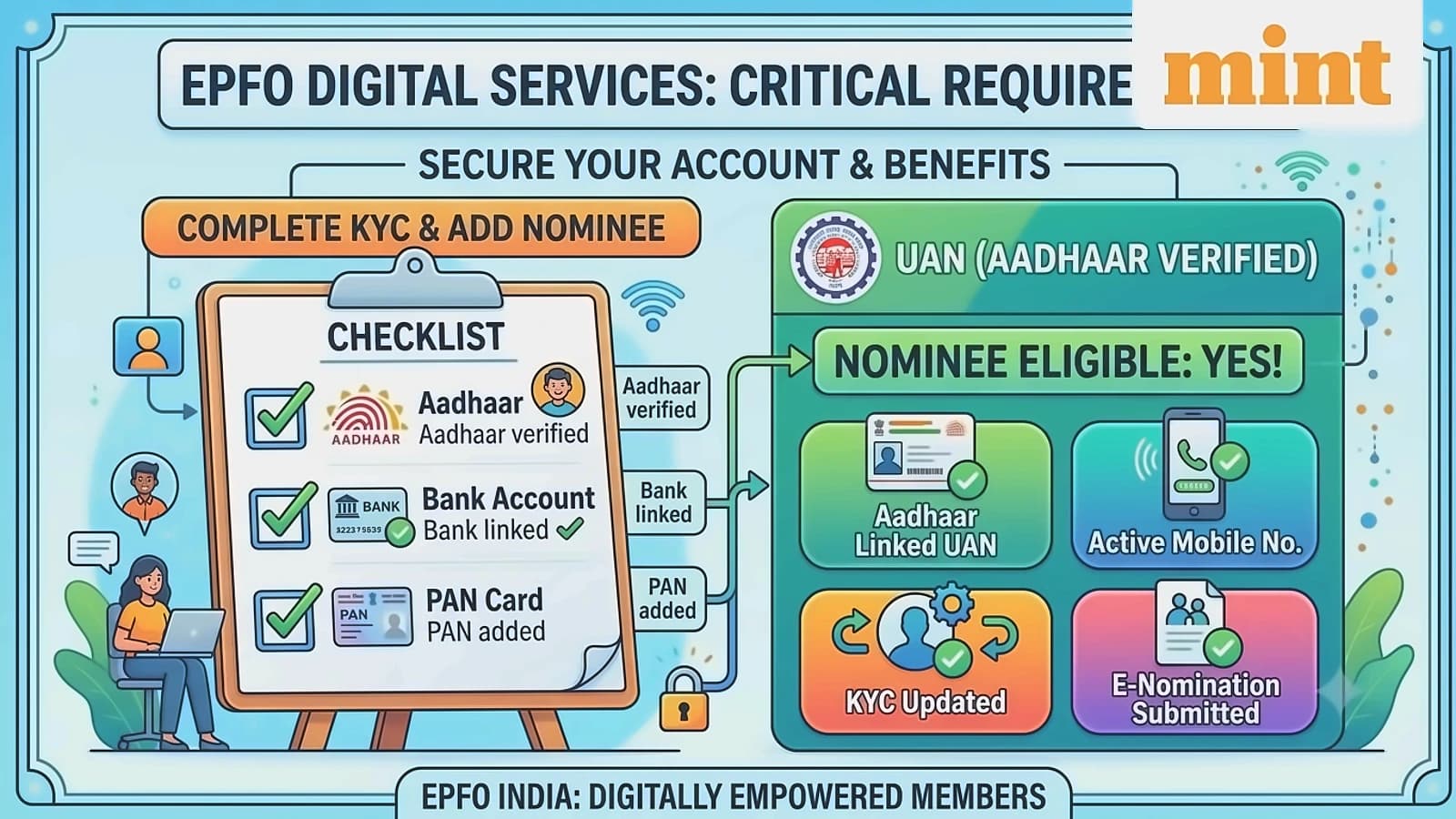
The onboarding process consists of two stages according to Mint and Zee News reports. In the first stage, workers provide KYC details including name, address, PAN, mobile number, and bank account information through Aadhaar-based e-KYC or other permitted methods. A Permanent Retirement Account Number (PRAN) is generated after worker consent, with the platform initially selecting investment schemes and pension funds. The worker has the option to change these choices after the account has been opened. The second stage collects additional information including parents' names, email ID, and nominee details, with nominee details required within 60 days of onboarding. Zee News reports that Points of Presence (PoPs) charge no fee from the workers during the onboarding stage and provide an incentive of up to ₹100 for each new NPS account to encourage adoption among gig workers.
As reported by Mint and Zee News, platform workers may work simultaneously with multiple aggregators, but the individual pension account can initially be opened through only one platform aggregator. However, accounts can be shifted or ported from one aggregator to another, and workers can move from a platform-specific pension fund scheme to the NPS Common Scheme. The PRAN remains the same throughout these transitions, ensuring continuity of pension wealth regardless of employer changes. This portability feature is one of NPS's key strengths, particularly for today's workforce where employees may change employers several times during their careers. The system allows employees to continue their NPS account under the applicable framework - whether individual, All Citizen Model, or Corporate Sector Model - without losing accumulated corpus. The only limitation is that if a worker is simultaneously employed with two or more platforms, his/her individual pension account can be linked to a single aggregator at a time.
The exit and withdrawal rules follow the All Citizen Model as specified under PFRDA (Exit and Withdrawals) Regulations, 2015. According to Zee News, a non-government subscriber exiting at the normal exit point can take up to 80 percent of the accumulated wealth as lump sum and the remaining 20 percent must be used to buy annuity, if the total amounts surpasses ₹8 lakh. If the amount is ₹8 lakh or less, then the entirety can be taken as lump sum. In case of premature exit, the worker can take 20 percent as lump sum whereas the remaining 80 percent is required to buy annuity, since the scheme aims for long-term retirement savings. The model provides a provision for partial withdrawal for specific purposes requiring the subscriber fulfills eligibility conditions. This structure ensures that workers can access their funds when needed while maintaining the long-term retirement savings objective.