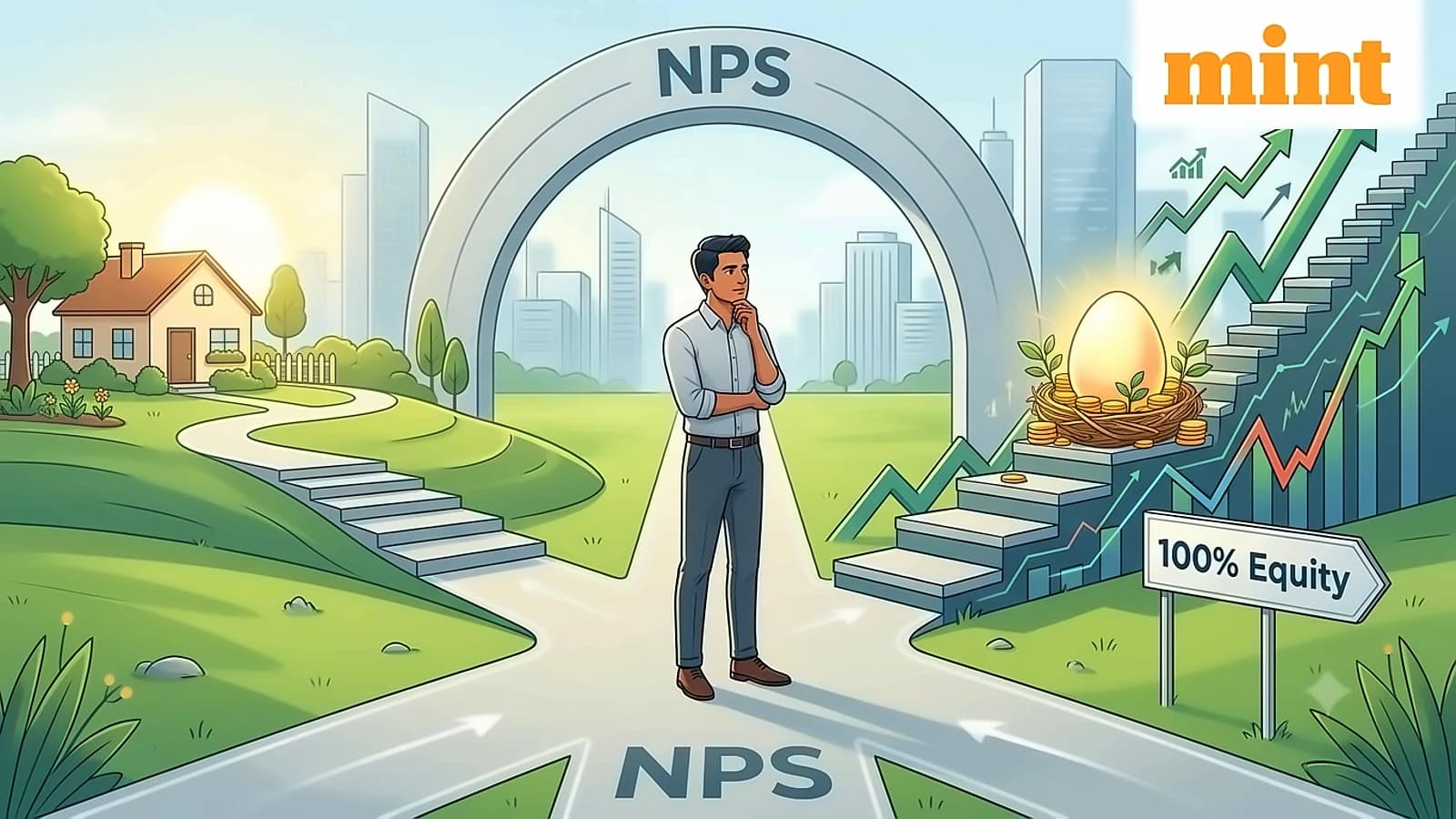
The National Pension System (NPS) offers four asset classes and two investment options to help subscribers allocate their retirement savings effectively. According to Mint, Asset Class E refers to investments in equities and related instruments, C covers corporate bonds and related debt instruments, G comprises government bonds and related securities, and A covers alternative assets such as REITs, InvITs, AIFs, commercial mortgage-backed securities (CMBS) and mortgage-backed securities (MBS). Subscribers must choose both the Pension Fund Manager (PFM) and the asset classes, along with how much to allocate to each scheme, with availability depending on the NPS investment option and account type.
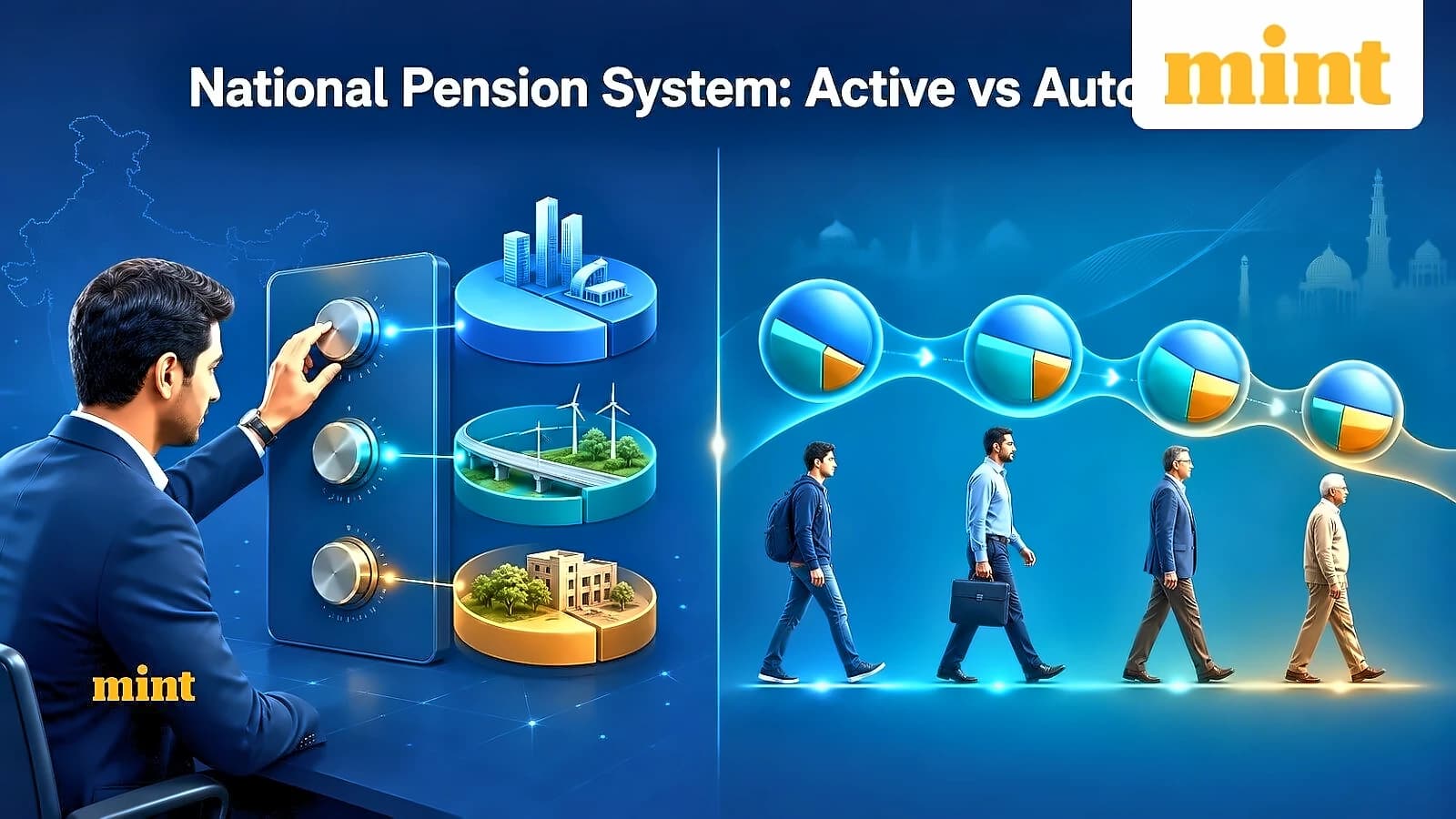
NPS provides two distinct approaches for investment allocation. Active Choice allows subscribers to decide their own asset mix, giving them complete control over how their NPS money is divided between equity, debt, government securities, and alternative investments. Under Active Choice, equity (E) can account for up to 75% of the investment, while Corporate Debt (C) and Government Securities (G) can each go up to 100%. Alternative Investments (A) have a maximum allocation of 5%, and the allocation across all selected asset classes must add up to 100%. Auto Choice follows a predefined life-cycle strategy, where the proportion invested across asset classes changes according to the subscriber's age. There are four Auto Choice options: Life Cycle 75 (15E/55Y), Life Cycle 50 (10E/55Y), Life Cycle 25 (5E/55Y), and Life Cycle Aggressive (35E/55Y).

Tier I and Tier II refer to different account types rather than investment options. As reported by Personal Finance News, Tier I is your main NPS retirement account, while Tier II serves as an additional NPS account with more flexibility for withdrawals, subject to applicable rules. For example, Scheme G Tier II means a Tier II account with the Government Securities option. In Tier-I, equity allocation can go up to 75%, while Tier-II allows up to 100% allocation to equity. Asset Class A is available only in Tier I, providing additional flexibility for subscribers who prefer a more diversified investment approach.
The Direct and POP acronyms indicate how NPS accounts are opened. According to Personal Finance News, Direct means the subscriber uses the direct NPS channel, while POP stands for Point of Presence, an authorised NPS service channel. This distinction provides subscribers with flexibility in choosing their preferred method of account opening and management, whether through direct online channels or through authorized service providers.