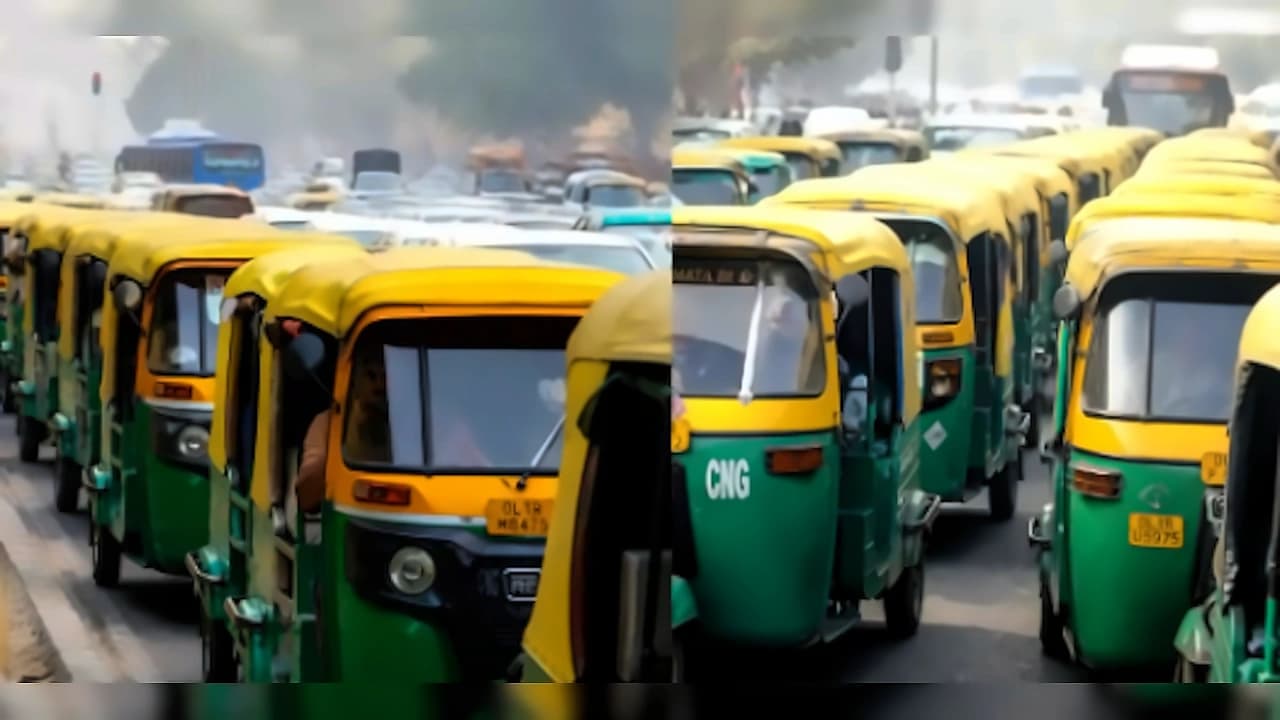
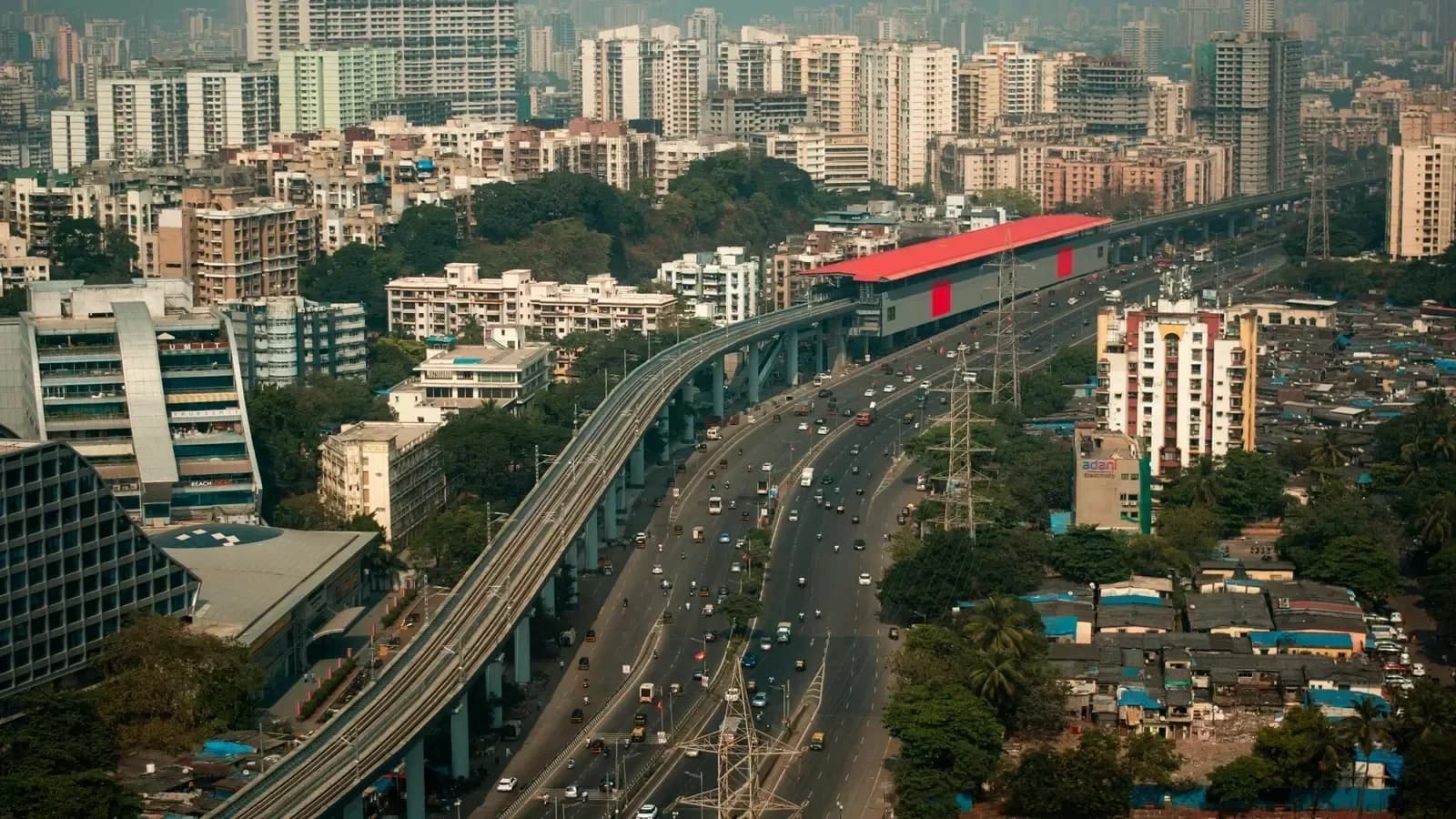
A recent analysis by ChatGPT compares the economic viability of personal car ownership versus daily cab bookings for Noida-Gurugram commuters amid rising fuel costs. The comparison focuses on a 35-year-old HR professional who travels 58 kilometers daily from Noida Sector 76 to Gurugram Sector 65, spending ₹1,800-2,000 per day on cab services including booking fees, tolls, and fares. The analysis comes as CNG prices have surged by ₹6 per kg in the last 11 days, with the latest hike of ₹2 per kg bringing Delhi prices to ₹83.09 per kg.
According to the analysis, driving a personal hatchback costs approximately ₹930-1,160 daily when all ownership expenses are factored in. The hatchback achieves 15 km per litre mileage in peak traffic conditions, requiring 7.5 litres of fuel daily at current ₹100 per litre petrol prices. Additional costs include toll charges, maintenance, insurance, depreciation, and parking expenses that bring the practical running cost to ₹8-10 per km. However, the latest ₹6 per kg CNG price increase over the last two weeks has significantly impacted the cost-benefit analysis for alternative fuel vehicles.
The commuter's round-trip distance of 116 km daily includes 2 hours morning travel and 2+ hours evening return due to heavy peak-hour traffic on the Noida-Gurugram route. The cab fare structure includes a ₹6 booking fee, ₹100+ tolls and surcharges, and ₹900-950 one-way fare, totaling the daily expense range of ₹1,800-2,000. The latest CNG price increases have made this commuting option more expensive, with CNG prices rising to ₹83.09 per kg in Delhi and ₹91.70 per kg in Noida, Ghaziabad, and Greater Noida.
The analysis reveals that personal car ownership remains significantly cheaper than daily cab bookings despite the recent ₹7 per litre petrol price increase and ₹6 per kg CNG price surge over the last two weeks. However, the latest fuel price volatility has created additional uncertainty for commuters. The analysis notes that four-plus hours of daily driving creates fatigue, stress, and long-term burnout risk, suggesting a hybrid approach of driving three to four days weekly and using cabs selectively on more exhausting days. Taxi unions and commercial transport bodies in Delhi-NCR have voiced their frustration and are demanding fare revisions to offset their shrinking earnings.
The report suggests exploring carpooling options or metro-plus-last-mile combinations for part of the route as alternative commuting strategies. These approaches could provide cost savings while reducing the physical and mental stress of extended daily driving in NCR traffic conditions. The latest CNG price increases have made these alternatives even more attractive, as CNG's cost advantage over petrol is diminishing amid the ₹6 per kg price surge in recent weeks.