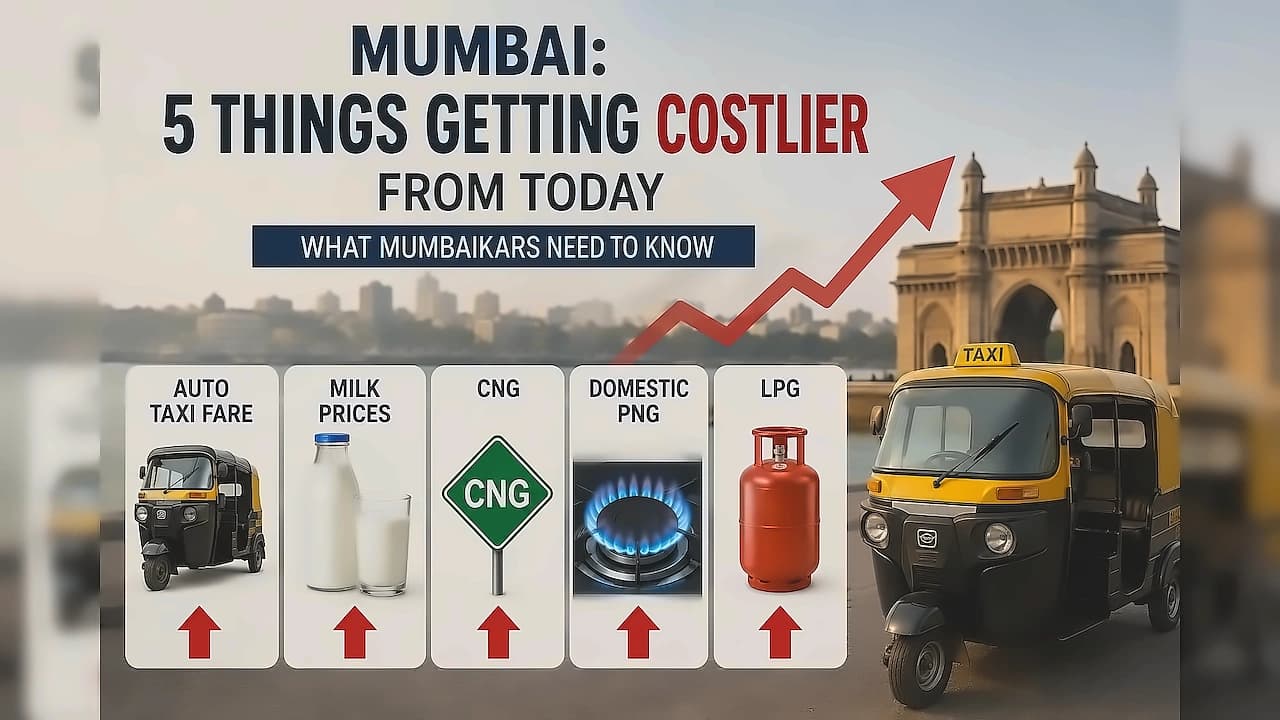
Petrol and diesel prices increased by ₹3 per litre each on Friday, marking the first increase in more than four years, as state-run fuel retailers passed on part of the hit from surging global crude prices triggered by the Iran war. According to reports from Mint, CNG prices in cities like Delhi and Mumbai were raised by ₹2 per kg. Global crude oil prices have surged more than 50 per cent since US-Israeli strikes on Iran on February 28 and Tehran's subsequent retaliation disrupted energy flows through the Strait of Hormuz, a key artery for global oil shipments.
As reported by Mint, petrol price in the national capital has been increased to ₹97.77 per litre from ₹94.77, while diesel now costs ₹90.67 as against ₹87.67 per litre previously. CNG in Delhi now costs ₹79.09 per kg and in Mumbai it costs ₹84. However, prices of both natural gas piped into household kitchens for cooking, called piped natural gas, as well as domestic cooking gas LPG remained unchanged.
According to the analysis by Mint, the fuel price increase has reignited the financial debate between living closer to the office and paying higher rent while saving on travel costs, or staying farther away where rents are cheaper but commuting expenses are higher. In scenario A, Sidharth from Defence Colony pays ₹70,000 rent for a 1 BHK apartment and spends ₹2,150 monthly on fuel for an 8 km daily commute. In scenario B, Varun from Greater Noida pays ₹17,000 rent and spends ₹7,530 monthly on fuel for a 28 km daily commute.
As reported by Mint, despite higher fuel expenses, living farther from the office remains significantly cheaper overall due to lower rents, though it means longer commute hours, higher stress, and reduced work-life balance. For Sidharth, it takes only 18 minutes to reach office, but for Varun it means over 1 hour of commute to reach the same destination. The analysis shows that while fuel costs are substantial, the overall financial impact of rent versus commute varies significantly based on individual circumstances and travel distances.