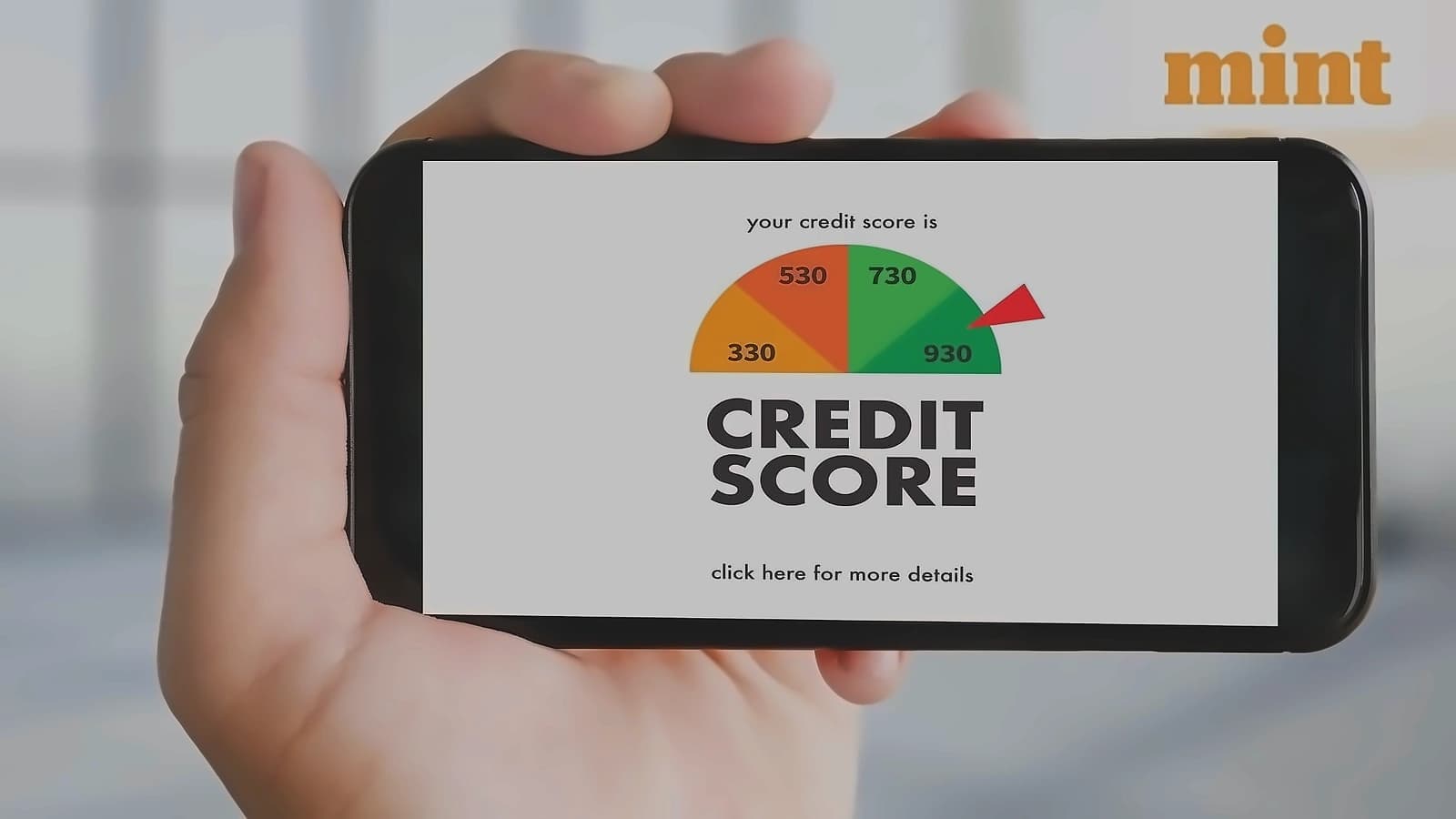
According to latest reports, loan settlement can drop your CIBIL score by 150+ points, with immediate impact of 100-200 points when the account status changes to 'Settled'. As reported by financial experts, this represents a significant setback as settlement means the borrower has not paid the full amount due. The impact is particularly severe because payment history makes up 30-35% of your credit score, making it the single biggest factor lenders consider. The 'Settled' tag remains on your credit report for 7 years, during which time lenders will see this negative mark and typically reject loan applications.
Recovery from loan settlement takes 24-48 months depending on the severity of the impact. The recovery process follows a structured approach: Phase 1 (0-6 months): Damage Control involves avoiding new loan applications and maintaining credit utilization below 30%. Phase 2 (6-18 months): Rebuilding includes obtaining a secured credit card (FD-backed, score 500+) and taking out a small credit-builder loan to establish positive payment history. Phase 3 (18-36 months): Score Climb sees consistent on-time payments gradually improving scores to 650-700 range. Phase 4 (After 7 years): Clean Slate occurs when the 'Settled' tag automatically disappears from credit reports, though consistent positive behavior is required throughout this period.
In India, credit scores are issued by licensed credit bureaus including TransUnion CIBIL, Experian India, Equifax India, and CRIF High Mark. As reported by experts, a score of above 750 is considered good, which improves your chances of taking a loan. The scoring system operates on a 300 to 900 range, with higher scores indicating better creditworthiness and lower risk to lenders. Credit utilization (30%), credit age (15%), credit mix (10%), and new inquiries (10%) are the other factors that contribute to your overall score.
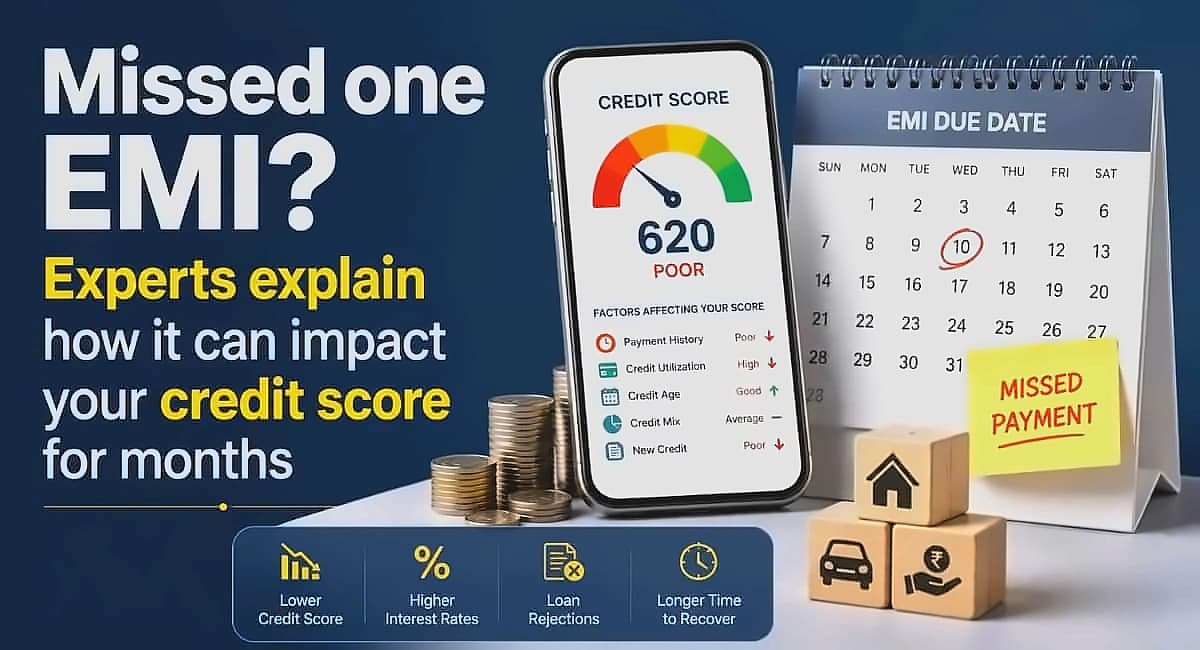
Post-settlement borrowers have limited options for traditional loans, with PSU banks rarely approving loans for 3+ years and private banks considering cases on case-by-case basis after 2+ years. NBFCs offer the best chance with approval rates of 18-36% for immediate needs, while fintech lenders provide options for chhote amounts with rates of 20-42%. Gold loan companies offer the easiest approval with rates of 9-18% and minimal CIBIL impact, provided the borrower has gold collateral available. Peer-to-peer platforms may approve loans but require careful evaluation of costs, while peer-to-peer lending platforms offer approval in some cases but carry higher risks with rates up to 48-60%.