Cybercriminals are increasingly targeting retirees through life certificate scams, as demonstrated by a recent case in Bhubaneswar where a retired bank employee lost ₹8.5 lakh after clicking on a fraudulent fake link disguised as a message from his bank. According to reports from The New Indian Express, police later arrested three members of an interstate cyber fraud syndicate in connection with this incident. The fraudsters typically send SMS or WhatsApp messages posing as banking or government officials, urging pensioners to urgently update their life certificates to ensure timely pension payments.
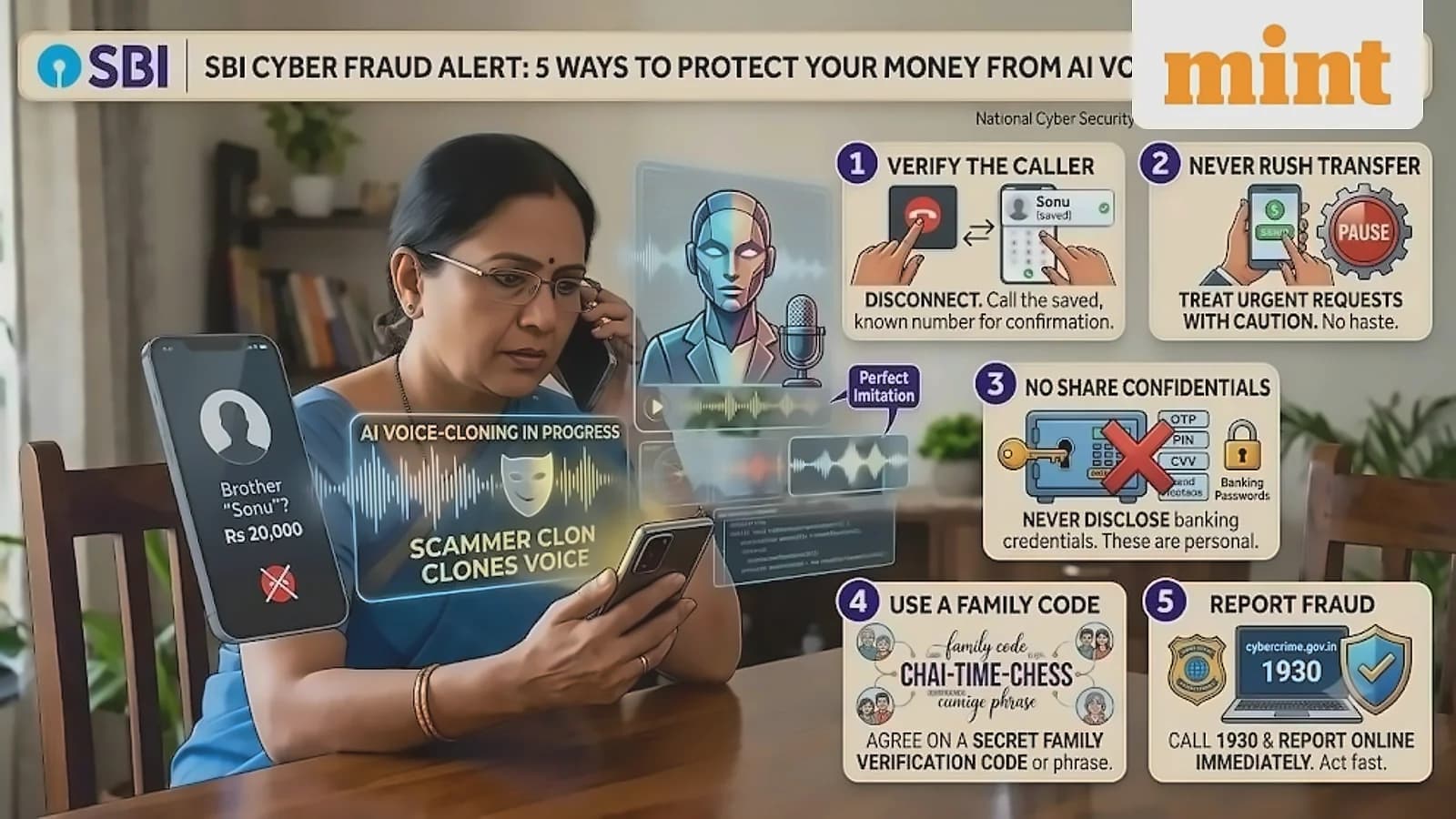
AI voice cloning fraud represents a new and sophisticated threat to pensioners, where scammers use Artificial Intelligence tools and publicly available audio clips to clone the voice of someone you know and trust. As reported by RBL Bank, fraudsters use AI-powered tools and audio clips sourced from social media videos, interviews, or online recordings to create phone calls that sound genuinely like family members, colleagues, or authority figures. This technology makes it extremely difficult to detect fraudulent calls, as the cloned voice sounds authentic and can fool even the most vigilant victims.

Fraudsters collect sensitive banking information by creating fake websites that appear legitimate. As reported by Mint, when pensioners click the link to the fake website, any data submitted is collected and used to steal personal information, including banking credentials, debit or credit card details, CVVs and OTPs. This allows scammers to empty bank accounts through unauthorized transactions. The scams often rely on creating urgency and fear in victims' minds, with messages warning that pension payments will stop immediately unless action is taken.
According to the guidance from Mint, banks never ask for life certificate updates through random links. Financial institutions will only contact pensioners through official channels and never seek confidential data from unverified sources. The report emphasizes that pensioners should never share OTPs or banking credentials for any life certificate update, as these details are never required for such processes. Additionally, pensioners should verify urgent messages through official channels before responding, and immediately report suspicious activities to their bank and the national cybercrime helpline (1930).
As reported by Mint, the key to protecting against life certificate scams lies in verification and caution. Pensioners should contact their banks using official customer care numbers or visit branches directly rather than responding to suspicious messages. The report emphasizes that a few minutes spent verifying a request can protect years of savings, as most frauds still rely on convincing victims to trust fake messages and create fear. Quick action in reporting suspected fraud can significantly improve chances of preventing financial loss.