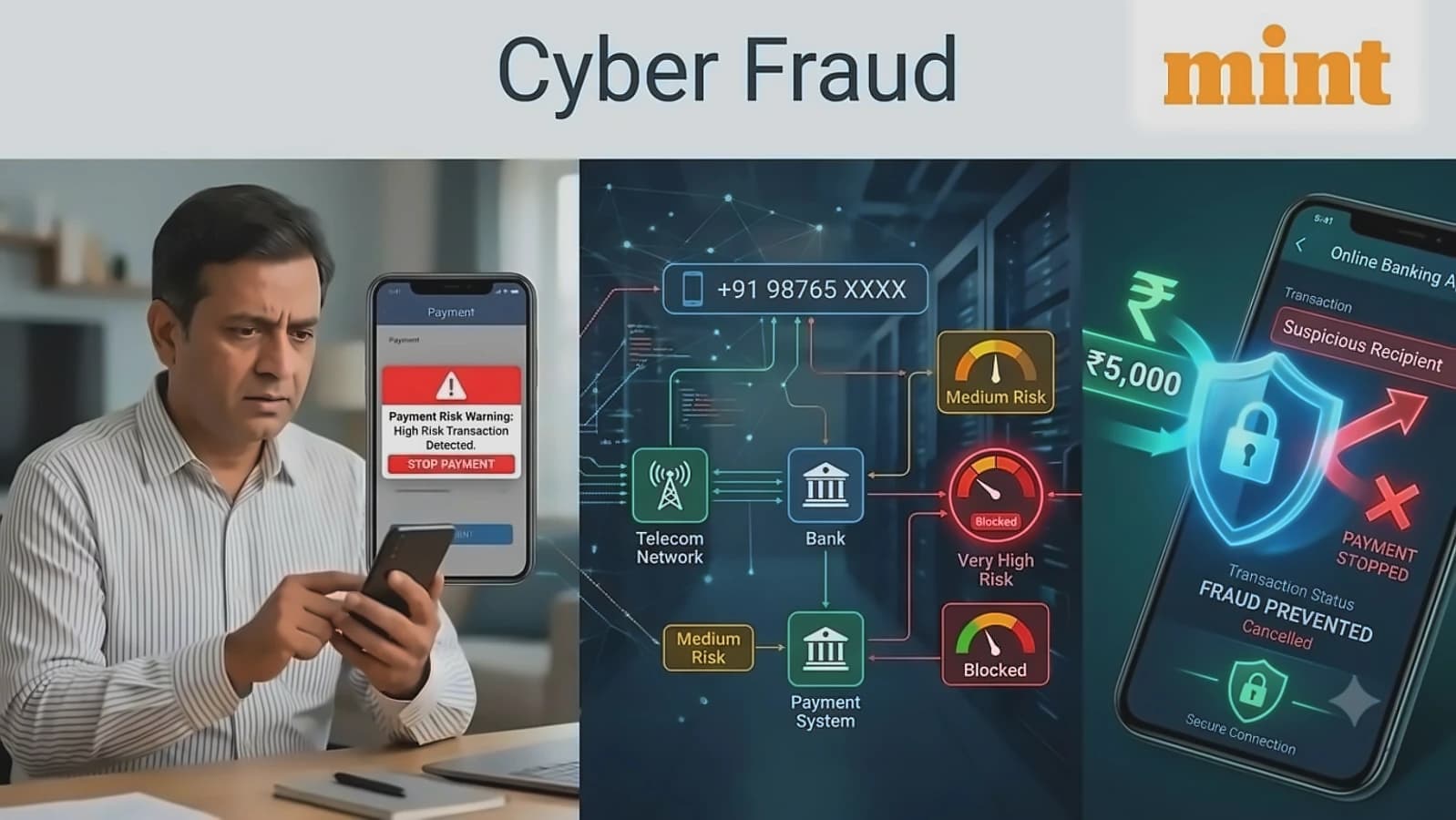
The latest case involves a 59-year-old Chikhali resident who lost ₹10 lakh to digital arrest scammers on September 16, 2026. According to Chikhali police, the victim received a call from an unknown number on September 11 claiming to be a telecom department official who said his Aadhaar number had been misused for money laundering. The fraudsters then connected him with fake CBI and RBI officials who threatened arrest and demanded money transfer to verify accounts. As reported by The Times of India, the victim transferred the money after being convinced by the person in uniform, but when no money was returned after 24 hours as promised, he contacted his son, a software engineer, who identified the fraud and helped report it to police. Senior Inspector Ranjit Jadhav is currently investigating the case.
Senior citizens in Pune lost nearly ₹100 crore to reported "digital arrest" scams between January 2025 and July 2026, according to data compiled by the Pune Cyber Police. The city recorded 136 cases during the 19-month period, with 85 cases in 2025 involving losses of ₹53.52 crore and another 51 cases in the first seven months of 2026 resulting in losses of ₹46.27 crore. As reported by The Times of India, while fewer cases were reported in the first seven months of 2026 than in the whole of 2025, the amount lost remained high, with victims losing nearly as much money in just seven months as they did throughout the previous year. Senior Inspector Swapnali Shinde of the Pune Cyber Police noted that "though the number of cases is lower in 2026, the amount of money involved is staggering. People have lost large sums this year. In one case, a single senior citizen was cheated of ₹10 crore," highlighting the significant financial impact of these sophisticated scams.
According to Senior Inspector Swapnali Shinde of the Pune Cyber Police, fraudsters often pose as officials from agencies such as the police, Central Bureau of Investigation (CBI), Reserve Bank of India (RBI) and Telecom Regulatory Authority of India (TRAI). The scammers typically call or message victims and claim that their Aadhaar, SIM card, bank account or other identity details have been linked to a crime. They then tell victims they are under investigation for serious offences and use fake documents to make the claims look legitimate. As reported by The Times of India, in many cases, the fraudsters arrange video calls while posing as police or government officials and threaten victims with arrest unless they "cooperate", demanding money often claiming it is needed for verification or to settle the case. Fraudsters generally use video call facilities of messaging apps and are seen wearing police uniforms, with the background crafted to look like that of a police station or the office of a central agency. The latest case demonstrates how scammers have evolved their tactics, using detailed narratives about fake raids and criminal investigations to create urgency and convince victims.

One of the biggest cases highlighted by the Pune Cyber Police involved an 82-year-old man from Bhandarkar Road who lost approximately ₹10.75 crore between January 23 and January 31, 2026. Another case involved an 87-year-old retired executive who allegedly lost ₹3.46 crore in May 2026, with fraudsters posing as CBI officers and threatening him with arrest in connection with a fake money laundering case involving a former aviation company owner. A more recent case involved a 74-year-old retired teacher and her husband who allegedly lost ₹68.8 lakh between July and September of this year, with fraudsters impersonating senior police officers and keeping them under what the scammers portrayed as a month-long "digital arrest" involving cases of money laundering, child pornography, fake SIM cards used in terror cases, terror funding cases, and threatening or obscene calls.
Cyber forensic expert Sandip Gadiya said "digital arrest" is not a legal procedure in India. He said genuine law enforcement agencies do not arrest people over video calls or ask them to pay money to avoid arrest. As reported by The Times of India, Gadiya said fraudsters often route stolen money through multiple "mule" bank accounts, making it harder to trace. The investigator explained that "fraudsters execute the entire scam by putting fear into their victims, and then extorting money from them. Police or any other central agencies do not make video calls to people threatening to arrest them. Agencies follow legal procedure." Gadiya further said fraudsters are operating from Jharkhand, West Bengal, Odisha and Rajasthan, using sourced or fake KYC-obtained SIM cards to cheat people. They upload fake names as police officers or agency names on caller ID services to mislead people, and later transfer money to cryptocurrency exchanges, making investigation difficult.
Pune Cyber Police have been running awareness drives through senior citizen groups and housing societies. Police have urged people not to transfer money or share financial details with anyone claiming to be a police or government official over a phone or video call. According to The Times of India, the fraudsters have even appeared on video calls wearing police uniforms, with fake backgrounds designed to look like police stations or offices of central investigative agencies, making it difficult for victims to distinguish between genuine and fraudulent communications. Police have undertaken awareness programmes using the platforms of senior citizens' organisations and societies, and by circulating pamphlets, requesting elderly individuals to simply not answer such calls. If they receive any such calls, they are cautioned not to fall prey to scams, with the police emphasizing that "agencies follow legal procedure" and that "digital arrest is not prescribed in any law."