West Bengal's Annapurna Yojana, launched on June 1, 2026, provides ₹3,000 monthly to eligible women, making it among the most generous cash transfer schemes in the country. This development is part of a broader national trend where cash transfers to women have grown from just two states in 2022-23 to 12 states in 2025-26, with these states collectively spending ₹1.68 lakh crore. Other major schemes include Karnataka's Gruha Lakshmi Yojana providing ₹2,000 monthly to over 1.33 crore women, Telangana's Mahalakshmi Yojana offering ₹2,500 per month plus benefits, and Madhya Pradesh's Ladli Behna Yojana currently providing ₹1,250 per month to over 1.25 crore women. Maharashtra's Mukhyamantri Majhi Ladki Bahin Yojana supports women aged 21-65 with ₹1,500 monthly, while Jharkhand's CM Maiyan Samman Yojana was recently raised to ₹2,500 per month.
As reported by Mint, government employees are strictly ineligible for the Ladli Behna Yojana. The scheme is designed exclusively for economically weaker, non-tax-paying families. Salaried women can apply if their job is strictly private and their total family income remains below ₹2.5 lakh per year. However, applicants are not eligible if they or any family member are regular, permanent, or contractual government employees, or if anyone in their family pays income tax. Married women can apply if they meet required criteria, with husband income being counted in the assessment. Bengal's Annapurna Yojana specifically targets women aged 25-60 years who are permanent residents of West Bengal, with exclusions including income taxpayers, permanent government employees, and families owning more than 2 hectares of land or paying GST.
According to Mint, eligible applicants must meet specific criteria including MP domicile, woman aged 21-60, family income below ₹2.5 lakh per year, no 4-wheeler in family, family land less than 5 acres, and possession of Aadhaar plus bank account. The scheme provides direct bank transfer to women's accounts, with monthly payments credited between the 7th-15th of each month. Bengal's Annapurna Yojana requires applicants to visit the official portal, enter Aadhaar and ration card details, upload required documents including Aadhaar card, bank account details, and residency proof, with applications verified by Block Development Officers in rural areas and Sub-Divisional Officers in urban areas. All existing Lakshmir Bhandar beneficiaries will be automatically migrated to Annapurna Yojana from June 1, 2026, while new applicants can register once the portal becomes fully active.
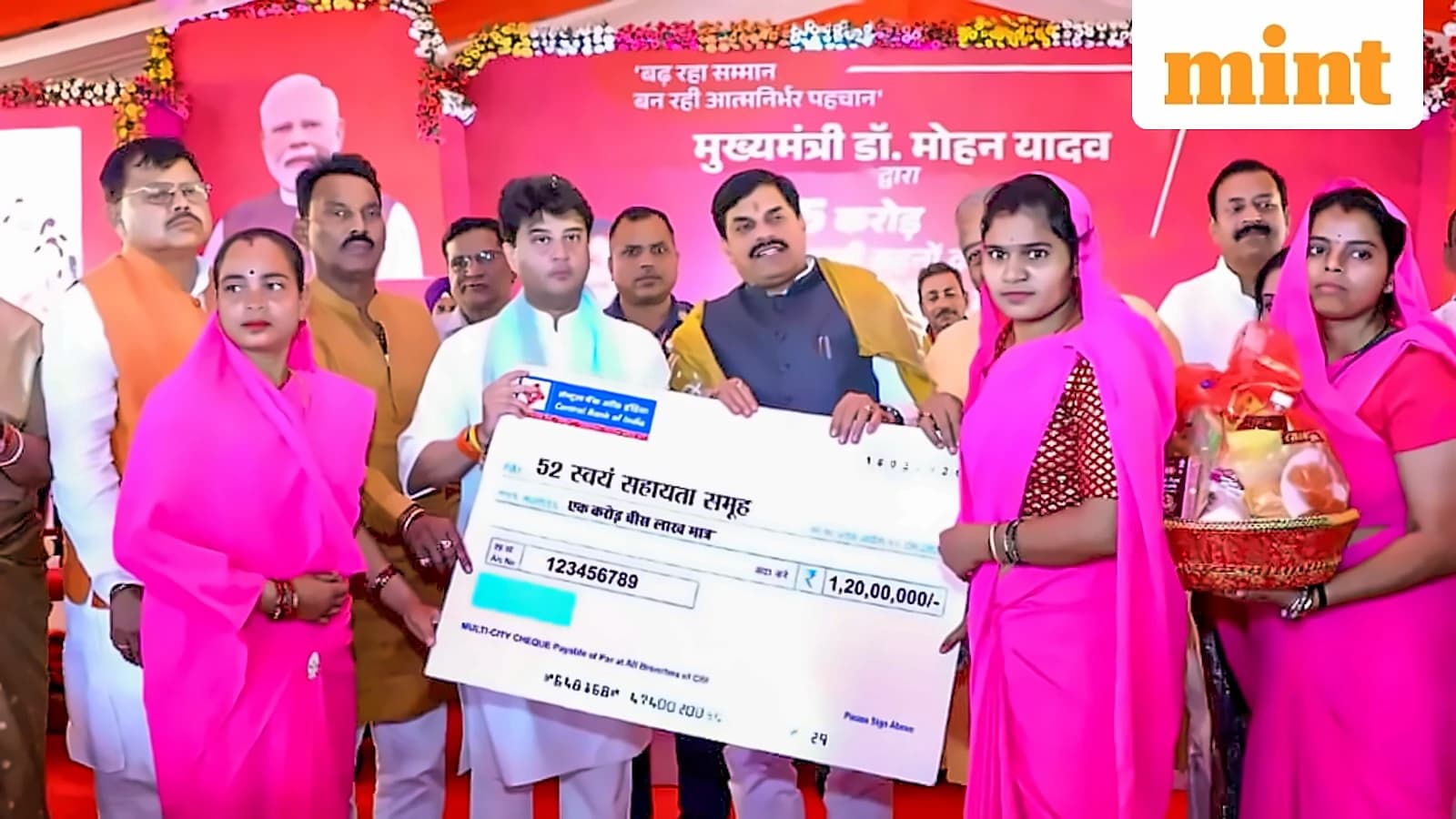
As reported by Mint, Madhya Pradesh Chief Minister Mohan Yadav transferred ₹1,835 crore into beneficiaries' bank accounts on May 15, marking the 36th installment of the scheme. From June 2023 to April 2026, a total of ₹55,926.51 crore has been deposited directly into beneficiaries' bank accounts through DBT. The state government allocated ₹14,726.05 crore in FY 2023-24, ₹19,051.39 crore in FY 2024-25, and ₹20,318.53 crore in FY 2025-26 for the scheme. For FY 2026-27, a budget provision of ₹23,882.81 crore has been made. Bengal's Annapurna Yojana represents a significant increase from the previous Lakshmir Bhandar scheme, where general category women received ₹1,000-₹1,500 per month and SC/ST women received ₹1,200-₹1,700, with the new scheme providing ₹3,000 flat for all categories.
According to Mint, the application process involves submitting Aadhaar, MP ration card, bank passbook, self-declaration of income and land details at block office for verification within 30 days. The first credit takes 60-90 days from approval. Bengal's Annapurna Yojana officially launched on June 1, 2026, with all existing Lakshmir Bhandar beneficiaries receiving ₹3,000 directly into their bank accounts from this date. New applicants can register once the portal becomes fully active, with benefits delivered directly to Aadhaar-linked bank accounts without middlemen or agents. The scheme promotes women's economic empowerment through direct financial support, with Madhya Pradesh's Ladli Behna Yojana having transferred 35 installments till April 2026 since its launch in June 2023.