According to Saurabh Mukherjea of Marcellus Investment Managers, US high-yield bonds have generated 70% of the S&P 500's return since 1999 while experiencing just 58% of its volatility. As reported by The Economic Times, the volatility gap was particularly significant, with high-yield volatility at 8.7% compared to 15% for the S&P 500. This means investors received approximately a fifth more return for every unit of risk taken based on these figures. The performance differential demonstrates how junk bonds can deliver equity-style returns with substantially lower volatility, making them attractive for portfolio diversification strategies.
The superior performance of junk bonds comes from two fundamental characteristics of bonds: investors receive a regular coupon payment and bondholders have seniority in repayment compared to shareholders. According to Mukherjea's analysis, US high-yield bonds currently yield close to 8% annually, and over longer periods, coupon income rather than price gains has accounted for almost all of the return. This income continues to accrue unless the issuer defaults, helping support returns even during market stress periods. The other critical difference lies in the order of repayment - when a company fails, bondholders are paid before shareholders, providing an additional layer of protection for investors.
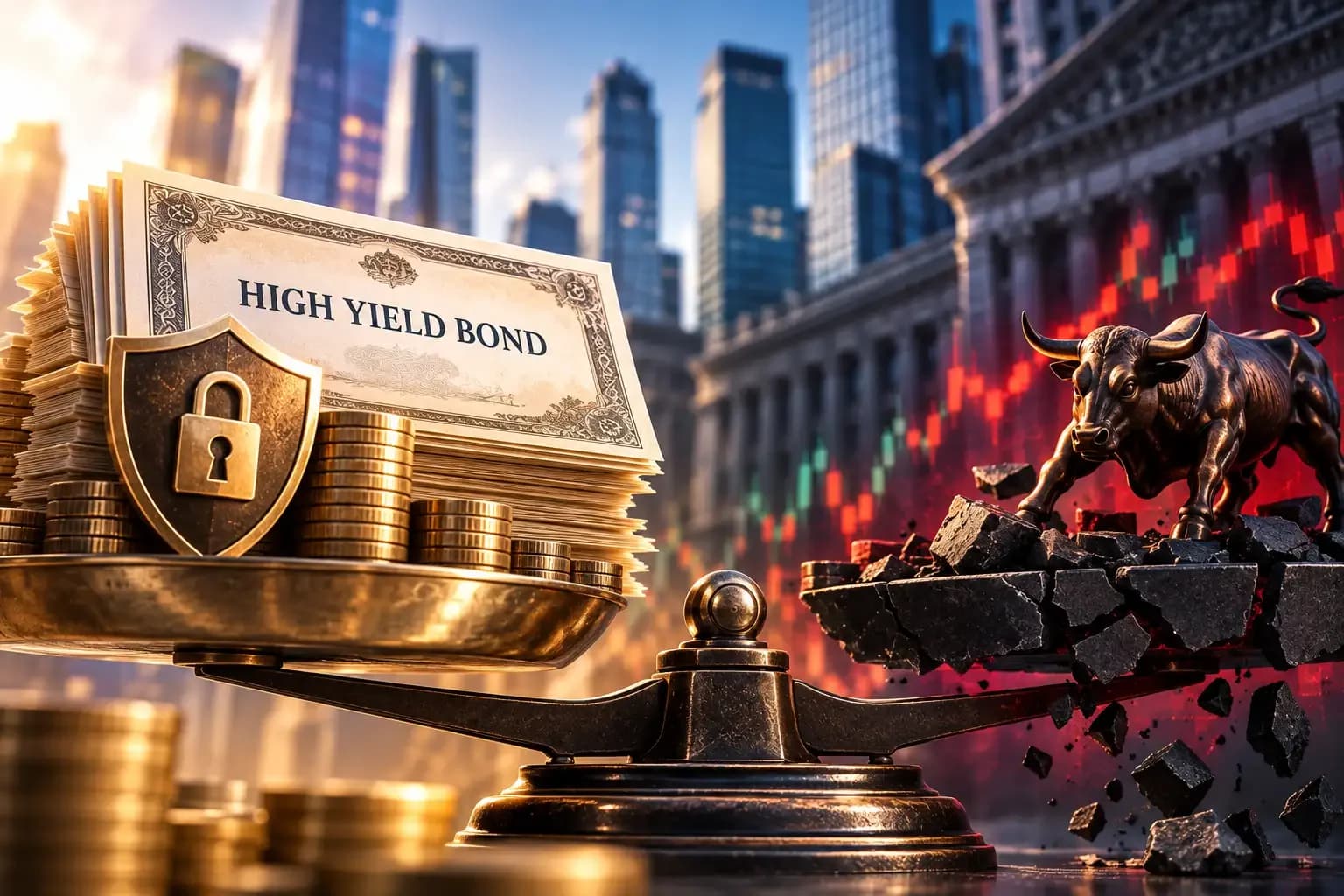
The performance differential during major market shocks demonstrates junk bonds' protective characteristics. During the dot-com bust, US stocks fell 42.5% while junk bonds gained 1%. In the global financial crisis, stocks dropped 50.9% compared to a 26.5% fall for junk bonds. During the COVID crash, the declines were 19.6% for stocks versus 13.1% for junk bonds. When markets recovered, high yield participated strongly, returning 57.5% in 2009, more than double the S&P 500's 26.5% gain. This pattern of outperforming during downturns while maintaining resilience during rallies has made junk bonds an attractive asset class for portfolio diversification.
According to Mukherjea's explanation, the term 'junk' is misleading as it does not mean worthless but refers to companies that have to pay more to borrow because they are smaller, carry more debt, or are facing difficult periods. There is also a category known as fallen angels, which are bonds that began with investment-grade ratings but were subsequently downgraded. The analysis suggests that junk bonds work best as part of a diversified portfolio strategy, combining their equity-style returns with far less volatility compared to traditional stock investments. The term itself originated from Wall Street in the 1980s when Michael Milken built a market for bonds issued by companies that major banks were unwilling to finance.