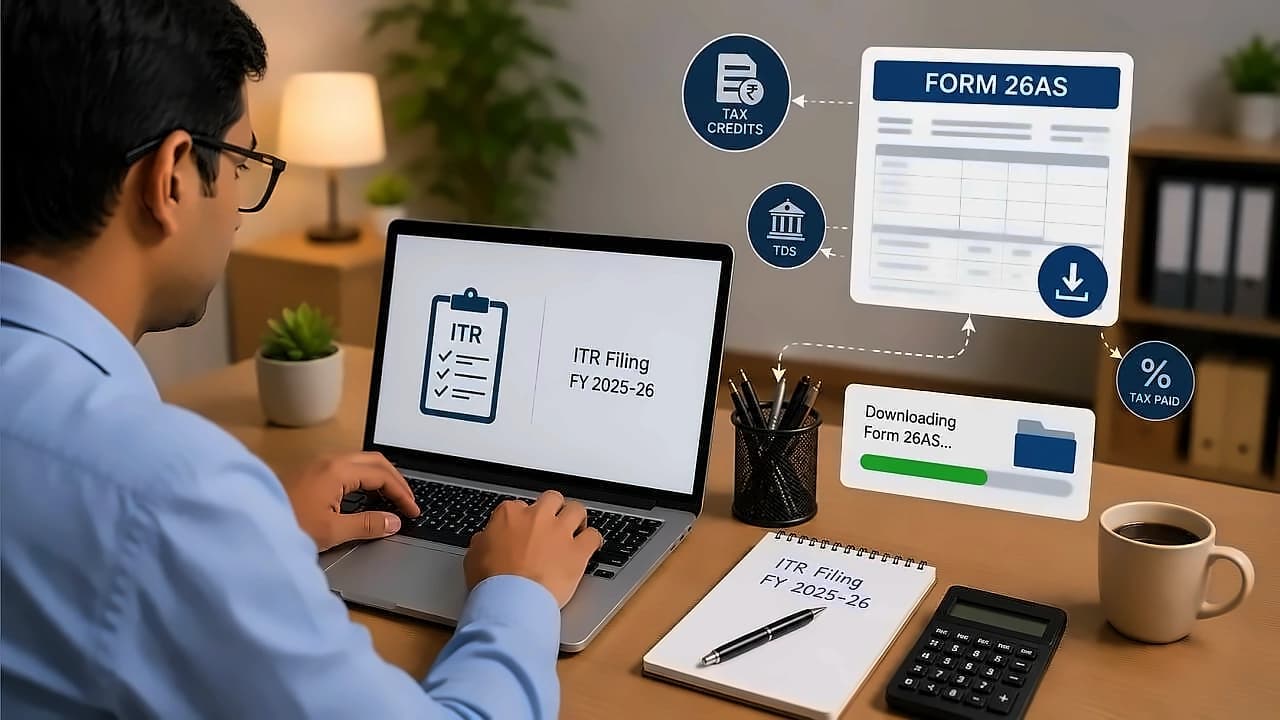
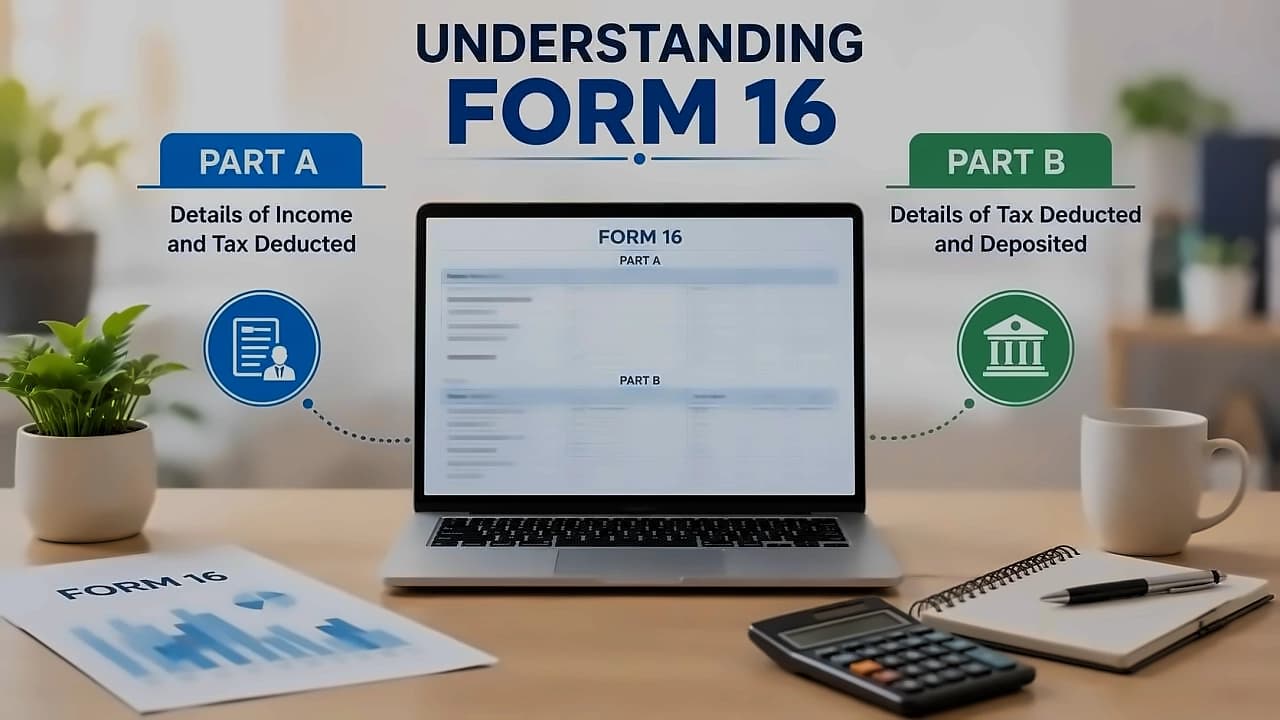
For salaried taxpayers, Form 16 serves as the most important document containing comprehensive details about salary income for ITR filing. According to The Times of India, Form 16 is divided into two parts: Part A and Part B. Part A contains details of tax deducted and deposited by the employer on the employee's behalf, including the employee's PAN, employer's TAN, period of employment, and a quarter-wise summary of TDS. Part B captures detailed salary income, exemptions, deductions, and resulting taxable salary income on which tax has been computed. Section 203 of the Income Tax Act, 1961 requires employers to issue Form 16 to employees who deduct TDS from salary, with the certificate generated through the TRACES system and including a certificate number.
Tax experts emphasize the importance of verifying TDS details across multiple sources. As reported by The Times of India, taxpayers should verify whether the TDS reflected in Part A is also appearing in Form 26AS and AIS. Siddharth Deb, Tax Partner at EY India, advises that any material discrepancy should be reviewed before filing the ITR. The tax expert notes that Part A helps verify that taxes deducted by the employer have been deposited with the government, while Part B explains how salary income and tax liability have been computed. Form 26AS serves as a comprehensive tax credit statement that contains all TDS, taxes paid and other crucial information of the financial year, while AIS provides additional information such as sale value of shares and GST turnover as per GSTR 3B. For FY 2025-26, employers must issue Form 16 by 15 June 2026, covering the period from 1 April 2025 to 31 March 2026.
According to The Times of India, a crucial verification involves checking the tax regime applied by the employer for TDS purposes. In Part B of Form 16, taxpayers can look for the field 'Whether opting out of taxation under section 115BAC(1A)?'. If the answer is 'No', it indicates the employee has opted for the new income tax regime for TDS purposes, while 'Yes' indicates the old regime. However, Deb clarifies that the tax regime applied by the employer for TDS purposes does not necessarily determine the regime while filing the ITR. Salaried taxpayers may either continue with or change the tax regime at the time of filing the ITR, subject to Income-tax Act provisions. Part B includes standard deduction of ₹75,000 under the new tax regime or ₹50,000 under the old tax regime for FY 2025-26, along with Chapter VI-A deductions claimed through the employer, including Sections 80C, 80D, and 80CCD. Form 26AS and AIS contain comprehensive tax information sufficient to file ITR, while Form 16/16A serves as evidence that tax has been deducted and deposited with the government under the taxpayer's PAN.
As reported by The Times of India, employees receiving taxable benefits should review Form 12BA, where applicable. Individuals who changed employers during the year should ensure that salary income reported across multiple Form 16s is appropriately consolidated to avoid duplicate slab benefits. Deb advises that income such as bank interest, dividend, rental income, or capital gains may not be reflected in Form 16 and must be separately considered while filing the ITR. The deadline to file ITR for salaried taxpayers is July 31, 2026. If no TDS was deducted from salary, the employer is not required to issue Form 16. Ignoring Form 26AS while filing ITR can be costly, as even a single transaction reflected in the form that goes unreported can lead to an Income Tax notice. Having Form 26AS handy ensures the return is accurate, complete, and far less likely to attract scrutiny.