Taxpayers preparing to file income tax returns must ensure they have all necessary documents ready before beginning the process. According to reports from Mint, the most critical documents include Aadhaar Card (linked with PAN Card), Annual Information Statement (AIS) which includes interest income, dividends, securities transactions, and foreign remittances, Form 16/Form 130 under the new Income-Tax Act provided by employers, and investment proofs including bank deposits, PPF deposits, home loan interest certificates, and insurance premium payment receipts. Additionally, taxpayers can access Form 26AS from the TRACES website, which summarizes income on which TDS has been deducted.
All Indian residents are required to file ITR for income tax purposes, reporting earnings from salary, business profits, real estate gains, capital gains, interest and dividend payments. As reported by Mint, for FY26 (AY27), the deadline for individual taxpayers filing ITR is 31 July 2026, while those using ITR forms 3 and 4 have until 31 August 2026. Taxpayers who miss the deadline can still file a delayed ITR until December 31, but this will cost ₹1,000 to ₹10,000 depending on the duration of delay and taxable amount.
According to the Income Tax Department guidelines reported by Mint, taxpayers can choose from specific ITR forms based on their income sources and circumstances. ITR-1 is suitable for salaried individuals with one house property and other sources, ITR-2 for individuals or Hindu Undivided Family (HUF) without business income, ITR-3 for individuals or HUF with income from business or profession, and ITR-4 for taxpayers with presumptive income from business or profession. Taxpayers who make mistakes in their ITR can use Revised Returns to correct errors, with the revised return replacing the original ITR.
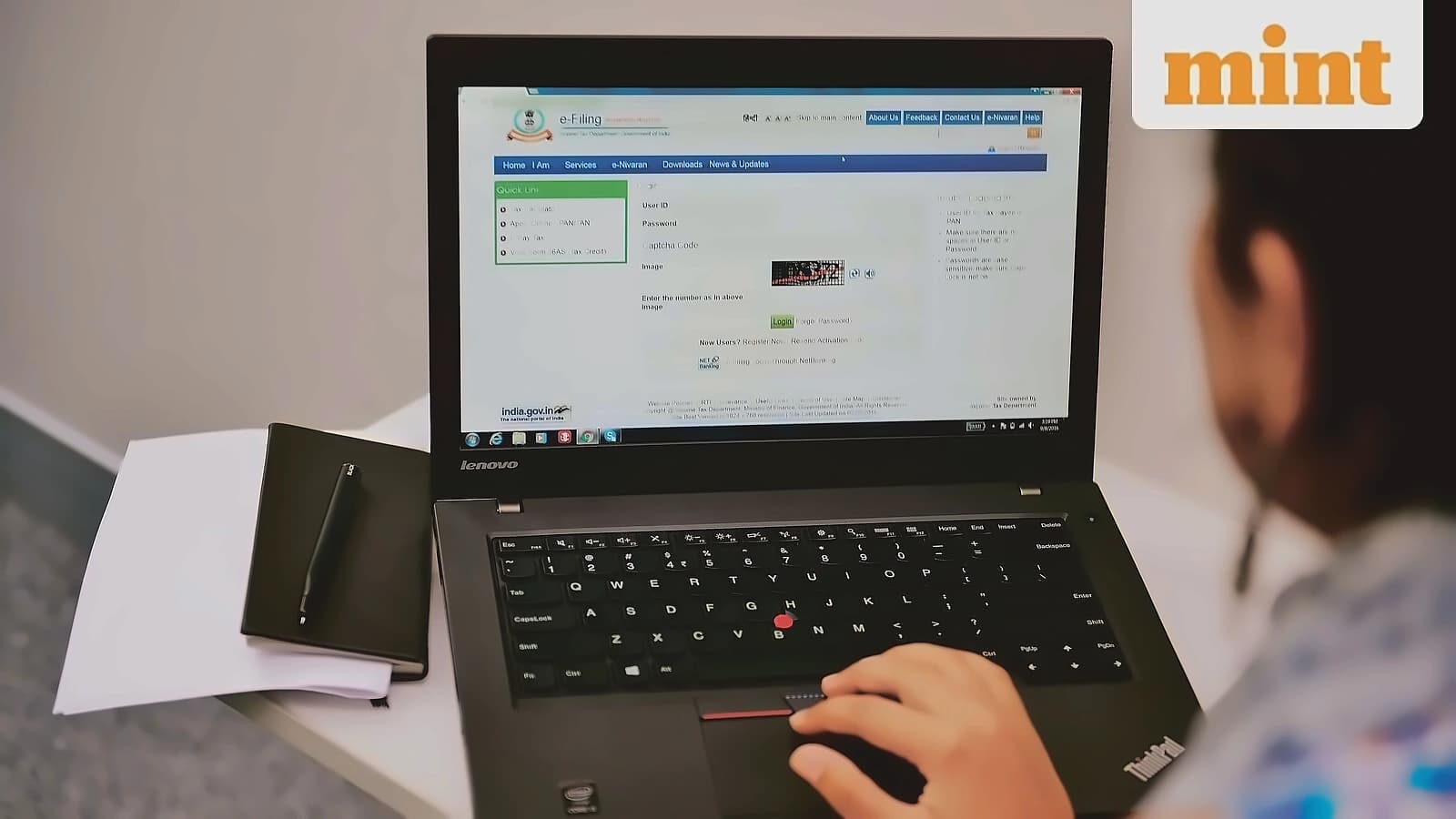
To file ITR online, taxpayers must visit the official income tax department website and log in with their User ID and password. As reported by Mint, first-time online filers must register using PAN, Aadhaar and other related details via the website. The choice between new and old tax regimes depends on individual earnings and deductible investments, with online tax calculators available to determine the optimal option. Taxpayers can consult with financial planners or chartered accountants for professional guidance on the best course of action.