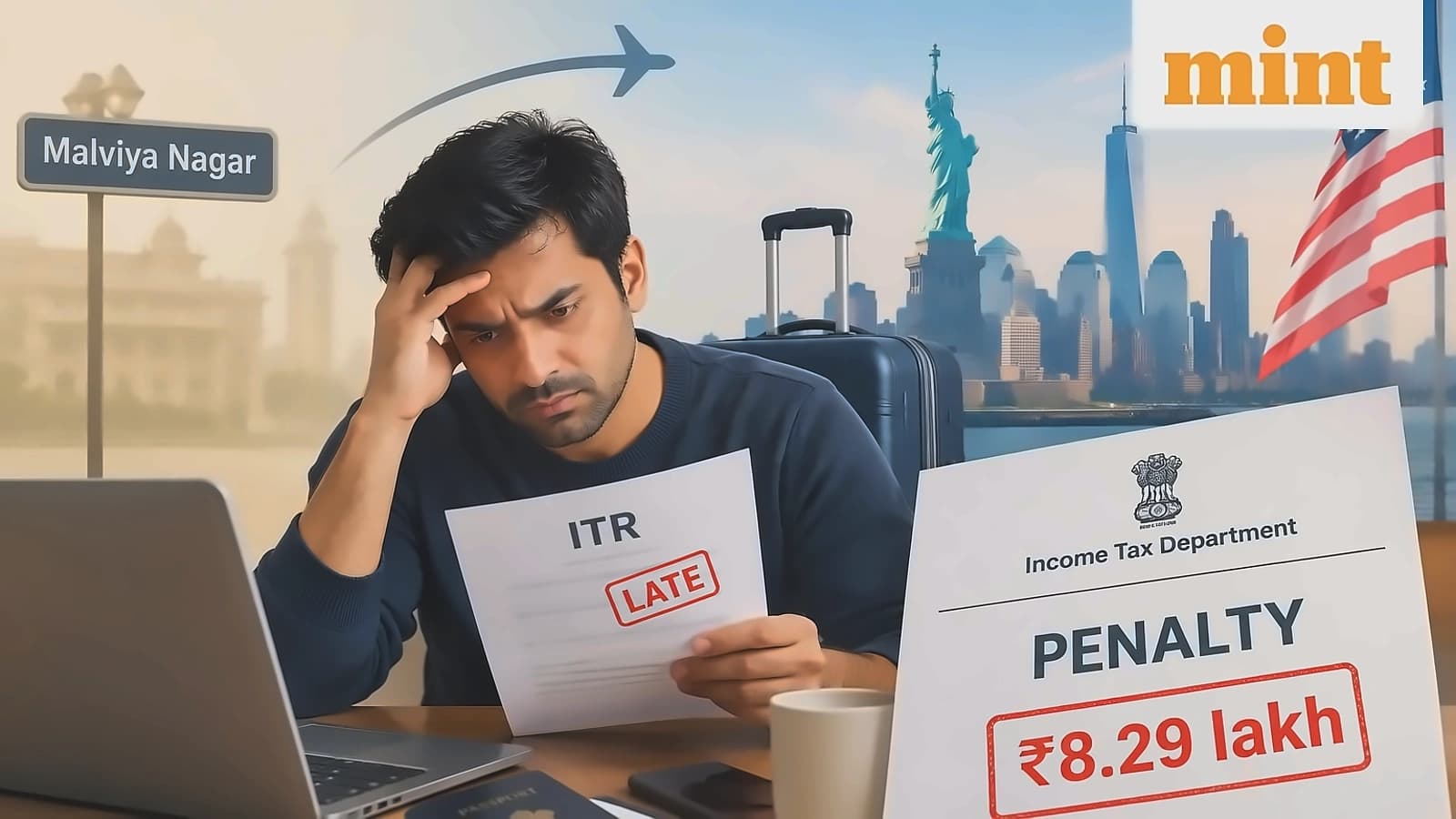
The Mumbai Income Tax Appellate Tribunal (ITAT) has provided crucial relief to taxpayers who miss ITR filing deadlines but have their income already reported through TDS. In the Vivek Trivedi vs ACIT case pronounced on September 23, 2026, the tribunal deleted a ₹3.95 lakh penalty imposed under section 270A on a ship captain who filed his return after receiving a reassessment notice. The ruling establishes that late filing alone does not constitute under-reporting, provided the taxpayer has a credible explanation and all material facts are disclosed. The case involved a ship captain who filed his return in May 2024 after a reassessment notice, declaring total income of ₹31.58 lakh which was accepted without any additions by the tax department.
Missing the income tax return filing deadline does not necessarily mean losing the opportunity to claim a tax refund. According to reports from Mint, if excess tax was deducted through TDS or paid through advance tax or self-assessment tax, taxpayers can still claim the refund by filing a return later. For most salaried individuals, the ITR due date was July 31, while professionals and businesses had until August 31. Those who could not complete their income tax filing within these original due dates have the option to file a belated return by December 31st of the relevant assessment year. However, filing after the due date can result in penalties under Section 234F, with amounts depending on income level and applicable year, along with interest charges under Sections 234A, 234B, and 234C.
ITR filing for salaried employees has evolved beyond simple number entry into a complex process requiring regime selection, deduction optimization, and accurate income reconciliation across multiple government-linked sources. As reported by Zolvit, a quick online CA consultation can bridge this gap, offering professional expertise without in-person visits. An online CA reviews income sources, verifies TDS records, selects the most beneficial tax regime, and files accurate ITR through virtual consultations. Common errors that can trigger compliance issues include not reconciling Form 16 with Form 26AS, forgetting to report interest income from savings accounts, missing HRA exemption due to incomplete rent documentation, and filing under the wrong tax regime without proper comparison. Professional review before submission catches most of these issues, making it a strong argument for using online CA services rather than filing solo at the last minute.
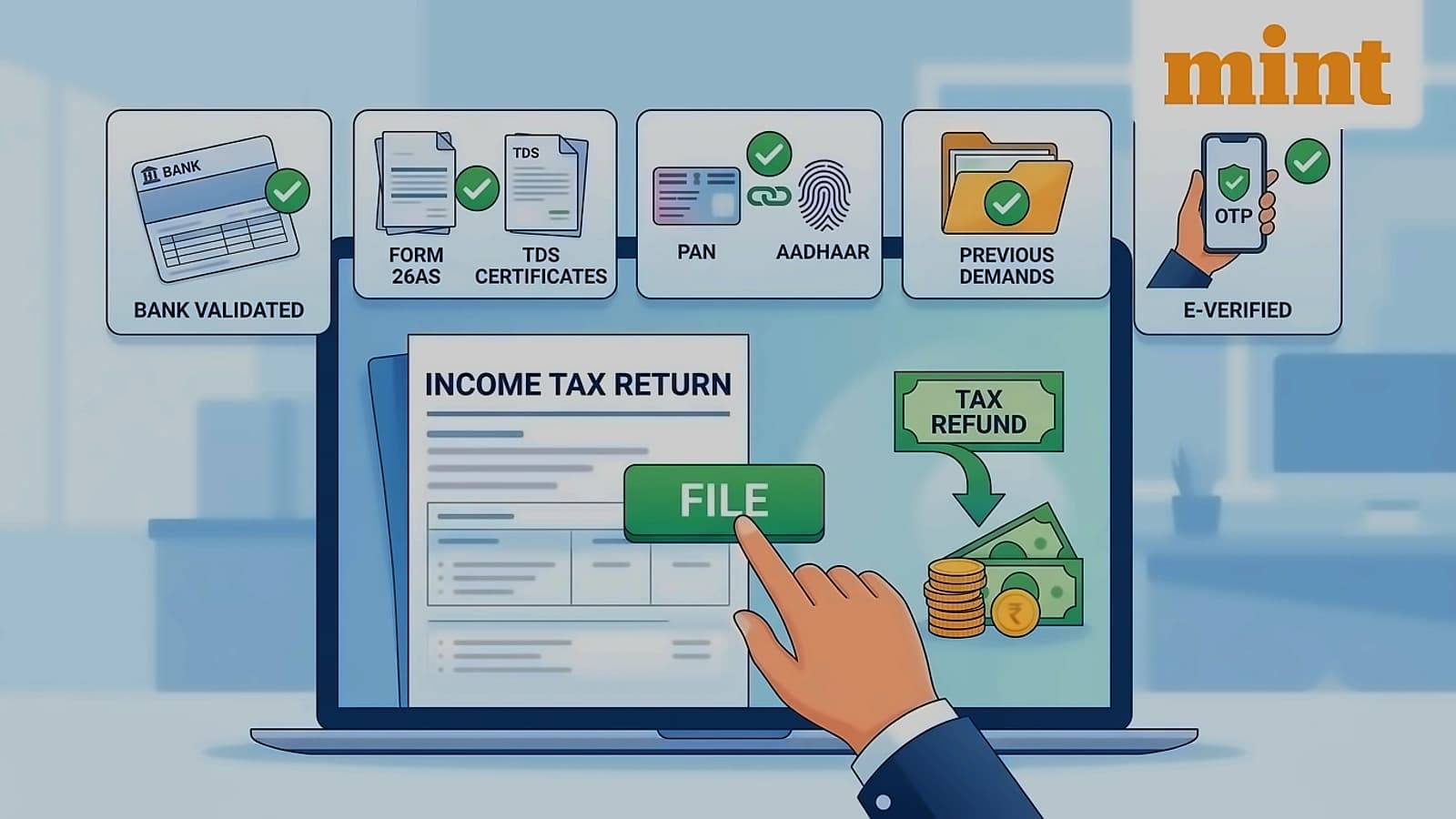
The tax department begins processing a refund only after the taxpayer has filed the return and completed e-verification. As reported by Mint, usually it takes about four to five weeks for the refund to be credited to the taxpayer's account. However, no refund can be refused if taxpayers are entitled to it and have complied with the requirements. The department processes refunds only after the return is filed correctly and the taxpayer's PAN, Aadhaar and e-filing account details are properly linked and active. In cases where taxpayers have an outstanding tax demand from a previous year, the refund could be partially reduced or completely absorbed against dues from earlier assessment years.
Filing a belated return is allowed but not completely free of cost. As reported by Mint, taxpayers with total income above ₹5 lakh should pay a late filing fee of up to ₹5,000, while those with income up to ₹5 lakh face a maximum fee of ₹1,000. Additionally, if you have outstanding tax dues and fail to file your ITR by the due date, you will also have to pay interest under Section 234A of the Income-tax Act. A simple interest of 1% per month or part of the month is charged on the unpaid tax amount, calculated from the applicable ITR due date until the return is actually filed. Certain losses may also not be available for carry-forward if filing is delayed beyond the due date.