Abhishubham Bahadur Saxena, a taxpayer from Malviya Nagar, relocated to the United States in August 2018 for an onsite job offer from a multinational company. According to reports from The Times of India, he missed filing his income tax return (ITR) in India and by the time he remembered, the belated return due date had also passed. The income tax department reopened his case after noticing he had received salary income of ₹26.06 lakh in that financial year, leading to a penalty of ₹8.29 lakh under Section 270A of the Income-tax Act. As reported by Surana & Surana, Saxena filed his return declaring a total income of ₹20.49 lakh in response to the Section 148 tax notice, but the Income Tax Assessing Officer treated this income as under-reported and initiated penalty proceedings under Section 270A.
Saxena voluntarily paid approximately ₹1.62 lakh in self-assessment tax along with applicable interest and late fee on August 23, 2019, before any reassessment proceedings were initiated. As reported by The Times of India, he explained to the income tax officer that due to relocation and demanding schedule of settling into a new country, coupled with lack of familiarity with Indian tax filing procedures, he inadvertently missed the return filing by the due date. He was unaware of specific procedures and timelines for filing returns, particularly provisions allowing for belated filing under Section 139(4). According to Surana & Surana, Saxena's conduct supported the bona fides of his explanation: he had a history of timely compliance, the failure coincided with his relocation abroad, he voluntarily discharged the tax liability with interest and late fee before any departmental action, and the income subsequently declared in response to Section 148 was accepted without variation. The Assessing Officer accepted the return filed in response to the Section 148 notice and did not make any adjustment to the income declared by the person.
On August 17, 2026, the Income Tax Appellate Tribunal (ITAT) Jaipur ruled in favor of Saxena, cancelling the entire penalty of ₹8.29 lakh and granting full relief. According to The Times of India, the tribunal held that he was entitled to the protection of Section 270A(6) and directed deletion of the penalty. The ITAT Jaipur SMC bench, composed of Annapurna Gupta, accountant member and Kuldip Singh, judicial member, considered Section 270A(6)(a) equally important, as reported by Surana & Surana. Chartered Accountant Jitendra Agarwal represented Saxena in ITAT Jaipur. The tribunal also condoned the 49-day delay in filing the ITAT appeal, accepting that the delay arose from a genuine jurisdictional mismatch on the income-tax portal between Kanpur and Jaipur, which Saxena had actively sought to rectify over the period. As reported by Surana & Surana, the sequence of events supported the individual's explanation that the missed return was a compliance lapse and not an attempt to avoid tax. His previous record showed regular compliance, the default occurred around the time he moved abroad, and he voluntarily paid the tax, interest and late fee before the department initiated reassessment proceedings.
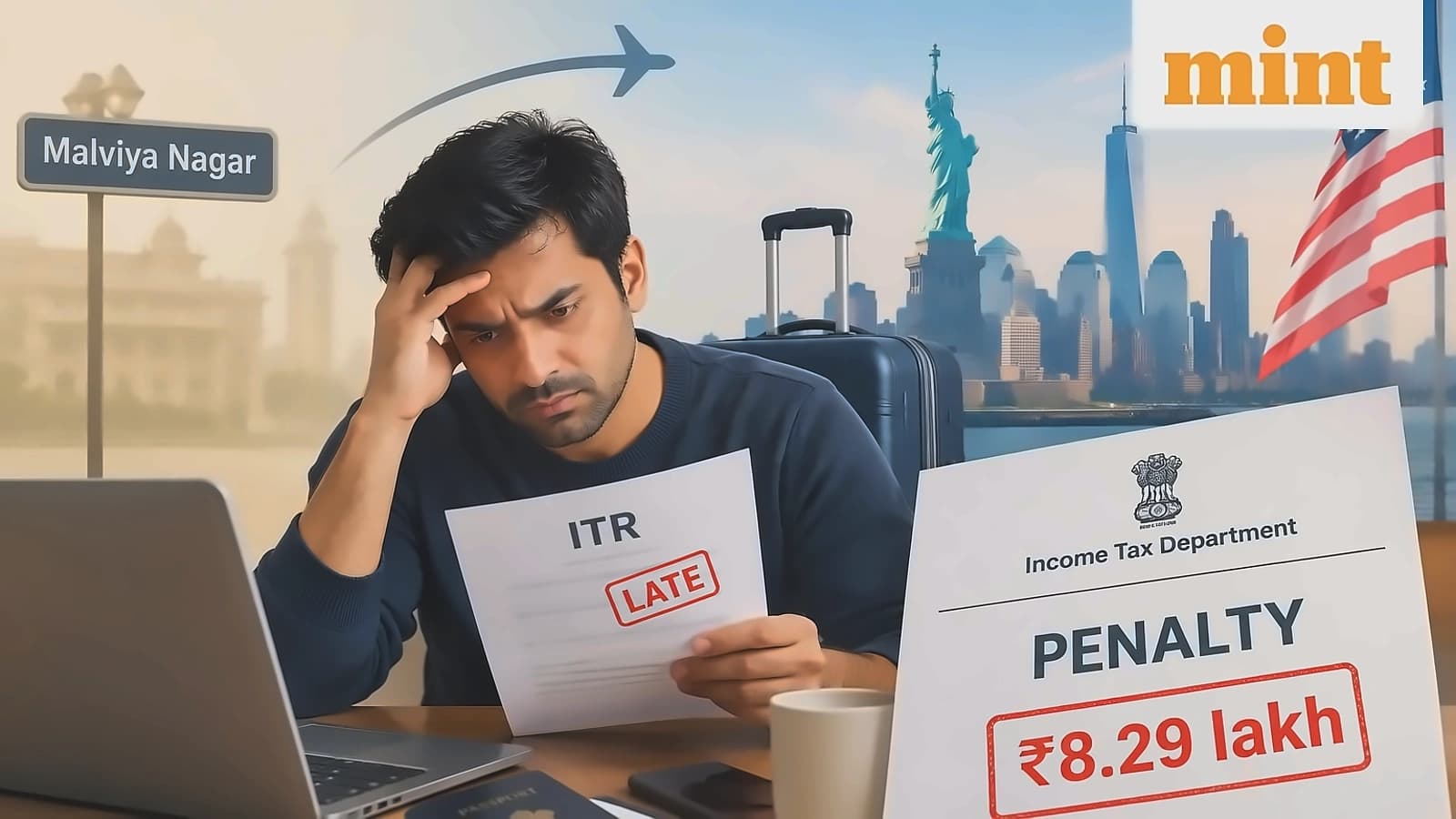
Under Section 270A of the Income-tax Act, penalties are imposed at 50% of tax payable on under-reported income and 200% of tax payable on misreported income. As reported by The Times of India, the income tax assessing officer classified the case as misreporting under Section 270A(9)(a), alleging misrepresentation or suppression of facts. The Commissioner of Income Tax (Appeals) also upheld the penalty, but ITAT Jaipur's final judgment provided complete relief to the taxpayer. According to Surana & Surana, the provisions contained in Section 270A(6)(a) exclude an amount from under-reported income where the taxpayer provides a bona fide explanation and has disclosed all material facts necessary to substantiate that explanation. Once there is no under-reported income for the purposes of Section 270A, there can consequently be no misreporting arising from such under-reporting. Chartered Accountant Suresh Surana explained to The Times of India that Section 270A(2)(b) can treat income as under-reported when a taxpayer has not filed an original ITR and discloses that income for the first time in a return filed in response to a Section 148 notice, but the exclusion under Section 270A(6) must also be considered.